Quranic Answer
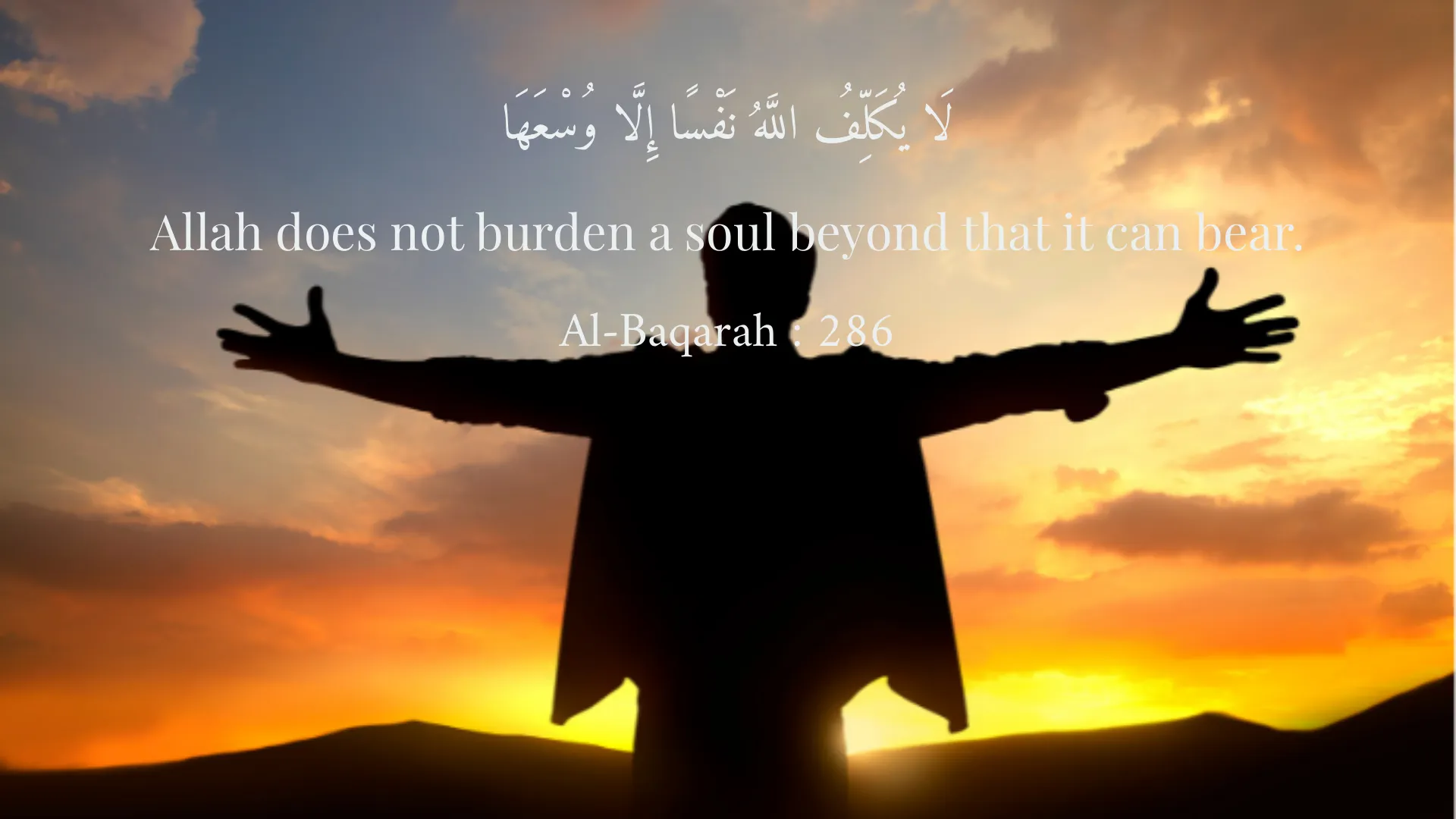
The question regarding the intersection of faith and mental health is one that many believers grapple with, often leading to significant introspection and contemplation. As we delve into this complex subject, it is essential to recognize the myriad components that constitute the human experience. Humans are intricate beings, composed not just of a physical body, but also of spirit and psyche. Each of these elements plays a vital role in shaping an individual's well-being, both mentally and spiritually. Thus, understanding the balance between faith and mental health requires careful examination of the complexities of human existence, particularly in the light of religious teachings. In the Quran, which serves as a foundational text for many believers, God places significant emphasis on the soul, stating that it is of His command. This assertion highlights the sanctity and significance of the human spirit, indicating that it is inherently sensitive and susceptible to a wide array of influences, both external and internal. One of the troubling realities that many face is the burden of life's trials and tribulations. In Surah Al-Baqarah, verse 286, God reassures believers by stating: 'Allah does not burden a soul beyond that it can bear.' This poignant verse serves as a reminder that while life may present formidable challenges, there is an inherent strength within each individual that is capable of overcoming these burdens. However, the pressures and strains of daily life can sometimes feel overwhelming, leading even the most steadfast believers to confront feelings of sadness and despair, commonly referred to as depression. The acknowledgment of such emotional struggles is crucial, as it allows believers to approach their mental health with both empathy and understanding. Furthermore, in Surah Al-Anfal, verse 28, God elucidates another layer of this challenge when He reminds us: 'And know that your properties and your children are but a trial.' This verse underscores a vital point: worldly affairs and material possessions, as well as familial relationships, can also serve as sources of stress and anxiety, compounding the mental health challenges faced by individuals. Believers are thus faced with a dual challenge: navigating their spiritual beliefs while managing the reality of their mental health. It is essential for individuals to remember that while faith is a cornerstone in striving for inner peace and tranquillity, it does not negate the importance of caring for one’s body and mind. The misconception that one's spiritual strength alone can resolve all challenges can lead to a neglect of mental health needs, which can prove counterproductive. Just as one would not disregard physical health issues, it is vital to address psychological struggles with the same seriousness. Effectively managing depression requires a multifaceted approach. This includes seeking professional help, such as turning to a physician, engaging in therapeutic counseling, and receiving appropriate mental health support when needed. These secular solutions are incredibly valuable and can complement spiritual practices like prayer and remembrance of God. In Surah Ar-Ra'd, verse 28, God beautifully states: 'Unquestionably, by the remembrance of Allah, hearts are assured.' This verse encapsulates the idea that spiritual practices, particularly those that involve mindfulness and connection with the divine, can foster a sense of peace and stability in turbulent emotional times. The amalgamation of spiritual and physical approaches offers a holistic strategy in combating depression. Engaging in regular prayer, contemplation, and engaging with sacred texts can nourish the soul and provide comfort. Simultaneously, individuals should not hesitate to seek out counseling and medical advice, as these avenues can provide tangible tools for coping with depression. Each individual’s journey will vary, and thus, it is imperative to cultivate a personalized approach that resonates with one’s unique circumstances and beliefs. In addition to seeking professional help and engaging in spiritual practices, believers can also establish a supportive community. Connecting with others who share similar faith can mitigate feelings of isolation and offer encouragement in times of need. Group prayers, communal activities, and shared reflections can create a nurturing environment where individuals feel valued and understood, allowing for collective healing. Faith communities have a unique role in addressing mental health, as they can serve as safe havens for individuals to express their struggles without fear of judgment. Through education and open dialogue regarding mental health issues, religious communities can demystify depression and create a culture that prioritizes well-being alongside spirituality. By cultivating an atmosphere of understanding and support, faith leaders and community members can significantly impact the lives of those wrestling with mental health challenges. The delicate balance between faith and mental health is a reality that many believers must navigate. It demands a comprehensive understanding of not only spiritual doctrines but also the practical strategies available for managing mental health. As highlighted throughout this discussion, the implications of neglecting either spiritual or psychological well-being can lead to detrimental consequences. In conclusion, it is paramount for believers to embrace a holistic approach by integrating their spiritual practices with mental health care. Recognizing the complexities of human existence, as depicted in religious texts, allows individuals to approach their struggles with compassion and resilience. Faith is undeniably crucial in fostering a sense of peace; however, it should be coupled with active efforts to seek help when necessary. By addressing both spiritual and mental health needs, individuals can embark upon a path of healing that encompasses the entirety of their being, leading to a more harmonious and fulfilling life.
Related Verses
لَا يُكَلِّفُ اللَّهُ نَفْسًا إِلَّا وُسْعَهَا
Allah does not burden a soul beyond that it can bear.
Al-Baqarah : 286
وَاعْلَمُوا أَنَّمَا أَمْوَالُكُمْ وَأَوْلَادُكُمْ فِتْنَةٌ
And know that your properties and your children are but a trial.
Al-Anfal : 28
أَلَا بِذِكْرِ اللَّهِ تَطْمَئِنُّ الْقُلُوبُ
Unquestionably, by the remembrance of Allah hearts are assured.
Ar-Ra'd : 28
Short Story
Once upon a time, a man named Hassan decided to work hard and change his life. He had faith in God and prayed, but sometimes he felt depressed. One day while walking, he suddenly remembered the verses of the Quran. He realized he needed to remember God more and take care of his spirit and body. Hassan started spending more time with his family and did not forget to pray and make supplications alongside his work. Over time, he felt that especially with the remembrance of God and love for his family, a special tranquility returned to his life.