Quranic Answer
Dear brothers and sisters, this is a profound and thought-provoking question that is rooted in the complexities of human existence and divine wisdom. The Holy Quran, a book of guidance and insight, does not explicitly state why humans get tired of 'goodness' in a direct verse. However, by exploring its verses, we can gain a deeper understanding of human nature, divine trials, and the factors influencing one's steadfastness in the path of righteousness. This fatigue from goodness is often not an aversion to goodness itself, but rather a result of internal and external factors that challenge human perseverance and consistency. One of the most significant reasons lies in human nature itself. The Quran describes human beings as sometimes hasty (Surah Al-Isra, verse 11), stingy (Surah Al-Ma'arij, verses 19-21), and ungrateful (Surah Ibrahim, verse 34). The human soul inherently seeks ease and avoids hardship. Continuously performing good deeds, which often require effort, patience, self-sacrifice, and altruism, can be challenging for it. This conflict between the soul's desire for comfort and the necessity of striving in the way of Allah and doing good deeds sometimes leads to feelings of fatigue and exhaustion. In Surah Al-Balad (verse 4), Allah says: "لَقَدْ خَلَقْنَا الْإِنْسَانَ فِي كَبَدٍ" which means, "We have certainly created man in hardship." This verse indicates that human life is filled with struggle and effort, and persistence in goodness is no exception to this rule. Another reason is the probationary nature of this world. Allah Almighty states in numerous verses of the Quran that worldly life is a test for human beings (Surah Al-Mulk, verse 2: "الَّذِي خَلَقَ الْمَوْتَ وَالْحَيَاةَ لِيَبْلُوَكُمْ أَيُّكُمْ أَحْسَنُ عَمَلًا" - He who created death and life to test you, which of you is best in deed). These tests sometimes manifest as difficulties and hardships, but sometimes, persistence in doing good and resisting the whispers of Satan and the ego (Nafs al-Ammarah) is itself a form of trial. Satan is always lying in wait to divert humans from the straight path by instilling fatigue, temptation, despair, and by making good deeds seem worthless. The Quran advises us to seek refuge with Allah from his evil whispers (Surah An-Nas). The lack of renewing one's intention and sincerity can also contribute to fatigue. When a good deed is not performed for the sake of Allah and with pure intention, but rather involves worldly motivations such as seeking fame, praise, or material gain, the individual's motivation can wane when expectations are not met or immediate worldly rewards are not received, leading to feelings of exhaustion. The Quran strongly emphasizes the importance of sincerity in action (Surah Al-Bayyinah, verse 5: "وَمَا أُمِرُوا إِلَّا لِيَعْبُدُوا اللَّهَ مُخْلِصِينَ لَهُ الدِّينَ" - And they were not commanded except to worship Allah, [being] sincere to Him in religion). When the intention is pure, the primary reward is with Allah, and this itself is an inexhaustible source for renewing energy and enthusiasm. Forgetting the ultimate goal and the greatness of divine reward can also lead to fatigue. If one forgets that every good deed performed is preserved with Allah and its reward will return to them in this world and the hereafter, they may lose motivation. The Quran repeatedly refers to the immense rewards for righteous deeds to encourage believers to persevere in the path of goodness (e.g., Surah Az-Zalzalah, verse 7: "فَمَنْ يَعْمَلْ مِثْقَالَ ذَرَّةٍ خَيْرًا يَرَه" - So whoever does an atom's weight of good will see it). Furthermore, a lack of gratitude for the opportunity to do good can intensify this feeling. Every success in performing a good deed is a blessing from Allah, and gratitude for this blessing itself leads to its increase and blessing. Moreover, sometimes the sheer volume of life's problems and pressures can drain a person's spiritual and physical strength, causing them to feel tired even from doing good deeds. In such circumstances, Allah advises us to seek help through patience and prayer (Surah Al-Baqarah, verse 153). Patience means steadfastness in the face of difficulties and hardships, and prayer is a tremendous source for renewing strength and connecting with the infinite divine power. These are the remedies that the Quran offers to maintain perseverance on the path of truth and combat fatigue. Ultimately, fatigue from goodness is a temporary state, not a permanent one. By renewing one's intention, reminding oneself of the ultimate goal, seeking refuge in Allah, and seeking help through patience and prayer, one can overcome this feeling and continue on the path of goodness with renewed zeal. The Holy Quran teaches us to always strive and never despair of Allah's mercy and grace, knowing that the true reward is with Him.
Related Verses
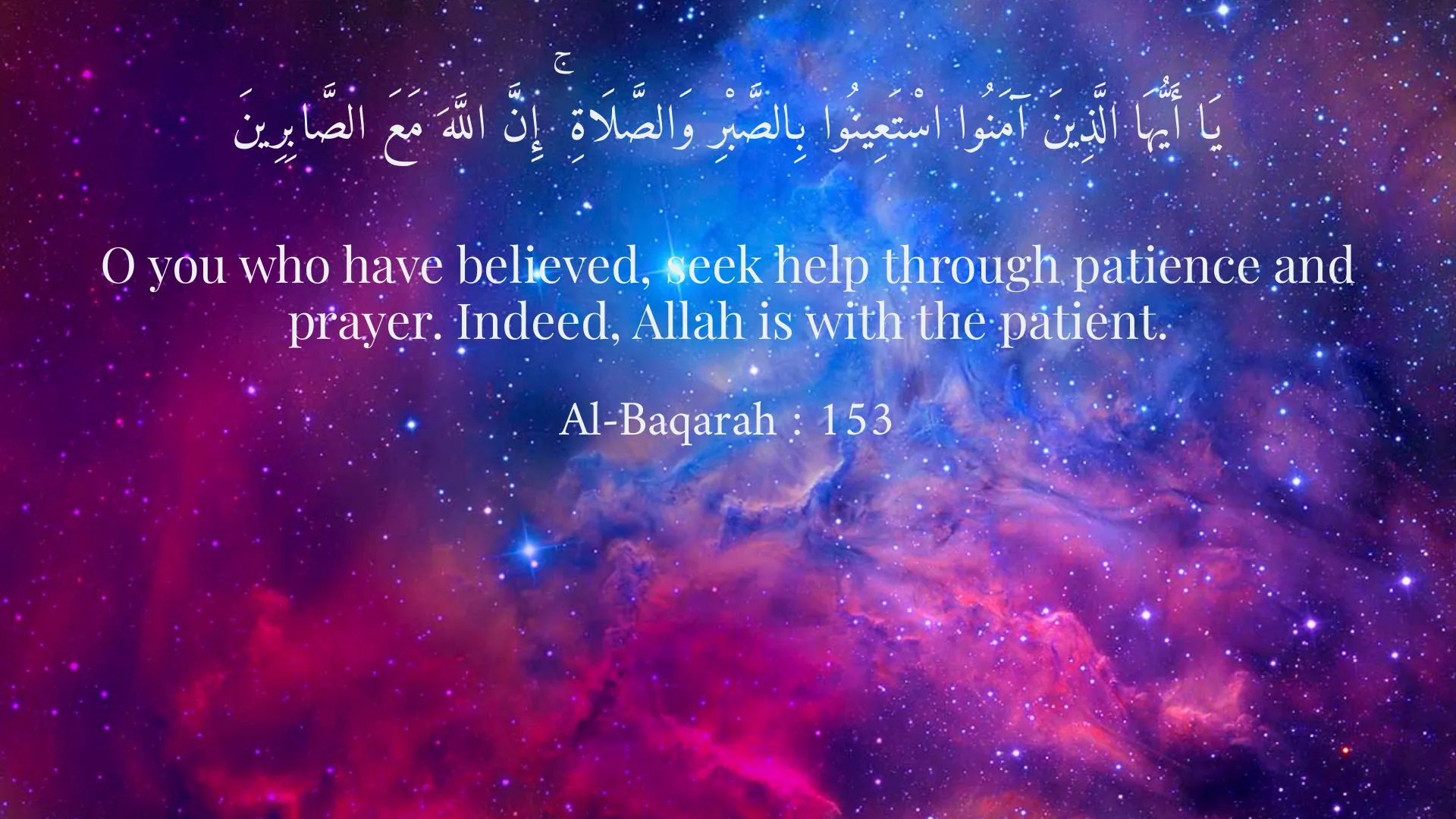
يَا أَيُّهَا الَّذِينَ آمَنُوا اسْتَعِينُوا بِالصَّبْرِ وَالصَّلَاةِ ۚ إِنَّ اللَّهَ مَعَ الصَّابِرِينَ
O you who have believed, seek help through patience and prayer. Indeed, Allah is with the patient.
Al-Baqarah : 153
إِنَّ الْإِنسَانَ خُلِقَ هَلُوعًا
Indeed, mankind was created anxious.
Al-Ma'arij : 19
إِذَا مَسَّهُ الشَّرُّ جَزُوعًا
When evil touches him, impatient.
Al-Ma'arij : 20
وَإِذَا مَسَّهُ الْخَيْرُ مَنُوعًا
And when good touches him, withholding [of it].
Al-Ma'arij : 21
الَّذِي خَلَقَ الْمَوْتَ وَالْحَيَاةَ لِيَبْلُوَكُمْ أَيُّكُمْ أَحْسَنُ عَمَلًا ۚ وَهُوَ الْعَزِيزُ الْغَفُورُ
He who created death and life to test you [as to] which of you is best in deed - and He is the Exalted in Might, the Forgiving.
Al-Mulk : 2
Short Story
In Sa'di's Gulistan, it is narrated that a king asked one of the dervishes: "Why do dervishes, though seemingly striving in asceticism and piety, sometimes become disheartened and impatient?" The wise dervish replied: "O King, a pure spring, as long as its water flows, remains sweet and quenches thirst. But if the water remains stagnant in one place and ceases to move, it turns into a swamp and becomes foul-smelling. The human heart is likewise. If it is not constantly moving and renewing itself in performing good deeds, serving God's creation, and remembering the Divine, and if it encounters soulless monotony and repetition, it becomes turbid like stagnant water and tires of goodness. Our spirit needs fresh intentions, new ideas, and a departure from routine in good deeds to maintain its freshness." The king took heed of this saying and understood that even goodness requires a renewal of spirit and meaning to remain immune from fatigue.