Quranic Answer
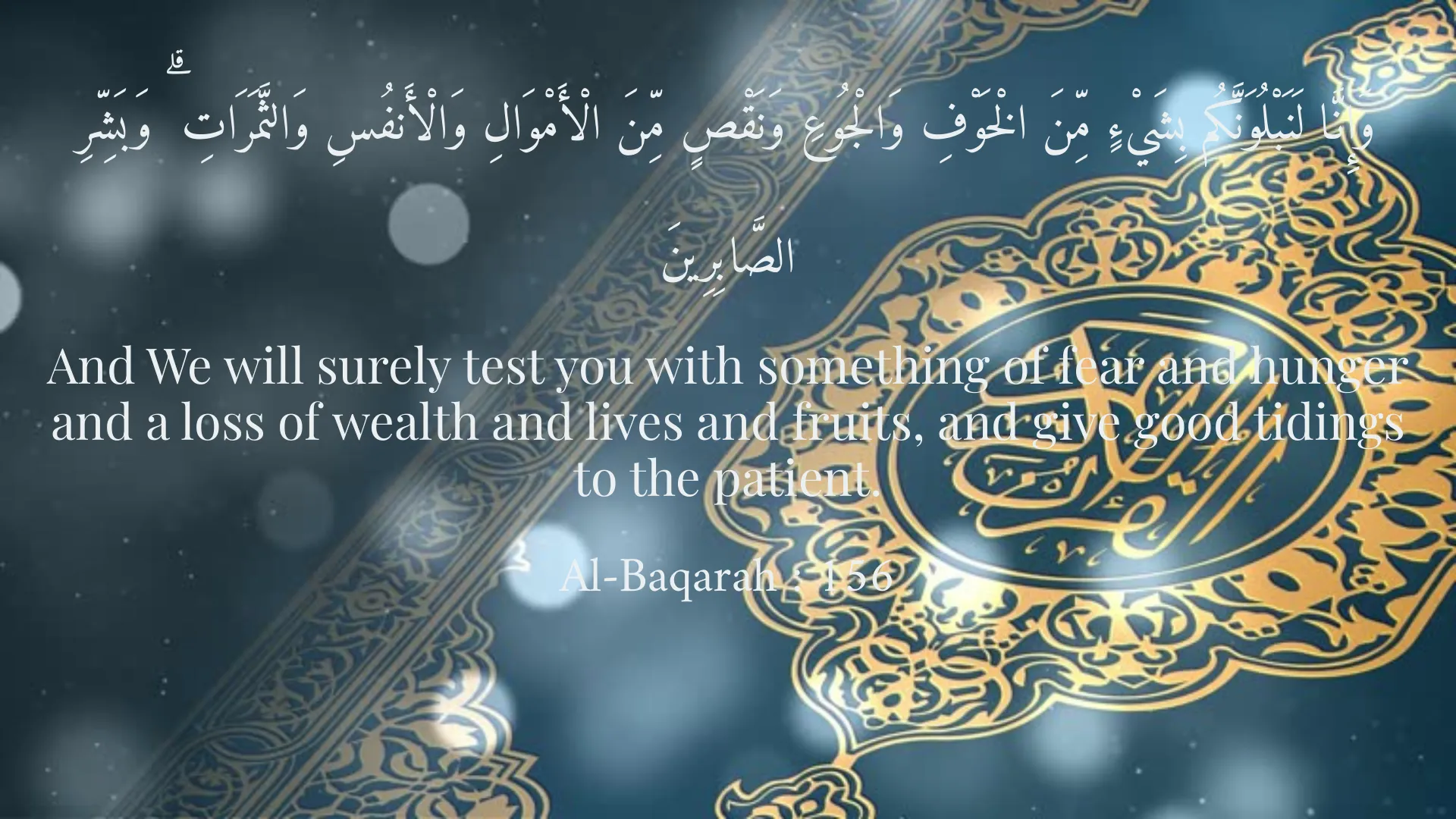
In the intricate fabric of human existence, the search for meaning plays a pivotal role. Throughout our lifetimes, we encounter numerous moments of reflection, particularly during challenging times when we question the essence of our being and the ultimate purpose of our lives. Within the pages of the Holy Quran, we find an abundance of verses that illuminate our understanding of mankind's creation and life’s objectives. These divine revelations serve as a guiding light, helping us navigate the complexities of existence, especially when we grapple with feelings of futility and despair. The Holy Quran, revered as a source of guidance for Muslims around the world, provides profound insights into the nature of life and humanity’s role within it. One cannot delve into these teachings without recognizing the deep theological assertion that life is inherently filled with trials and tribulations. Surah Al-Baqarah, verse 156, succinctly encapsulates this notion: 'And We will surely test you with something of fear and hunger, and a loss of wealth and lives and fruits, and give good tidings to the patient.' (Surah Al-Baqarah 156). This verse vividly illustrates that human existence is fraught with challenges that test our resilience, faith, and dedication. Life's trials often induce a profound sense of meaninglessness, especially when circumstances spiral downwards, leaving individuals feeling lost and devoid of purpose. This sentiment may stem from a lack of clearly defined goals or a disconnection from one's core values and beliefs. The process of self-reflection becomes vital in such moments, prompting individuals to revisit their principles and aspirations and assess whether they are aligned with their true calling in life. The Holy Quran encourages believers to engage in this self-evaluation. In Surah Al-Mu'minun, verse 115, Allah poses a thought-provoking question: 'Did you think that we created you worthless and that you would not be returned to Us?' (Surah Al-Mu'minun 115). This verse serves as a stark reminder that our existence serves a higher purpose, intertwined with the divine and the afterlife. It challenges humanity to rise above the fleeting nature of worldly hardships and encourages a focus on long-term spiritual fulfillment. Understanding that one’s creation is not an accident or a triviality is crucial in regaining a sense of meaning in life. The acknowledgment of a divine purpose offers a renewed perspective, prompting individuals to reassess their roles in the broader framework of creation. It signifies that life, with all its unpredictability and complexities, holds a deeper significance. In Surah Al-Isra, verse 70, the Quran further emphasizes the honor bestowed upon humanity: 'And We have certainly honored the children of Adam.' (Surah Al-Isra 70). This verse highlights the intrinsic dignity and respect afforded to human beings, suggesting that our lives possess inherent value. The recognition of this honor instills a sense of responsibility toward oneself and society, pushing individuals to identify and pursue meaningful endeavors. Thus, when faced with the darkness of meaninglessness, it becomes imperative to seek reconnection with our Creator. The Quran advocates for a return to spirituality as a means of revitalizing one's purpose. Through prayer, reflection, and adherence to divine principles, individuals can reignite their sense of direction and rediscover their place within the universe. Furthermore, the significance of companionship in this journey cannot be overstated. Seeking knowledge within religious communities, engaging in collective worship, and discussing existential challenges can foster support and encouragement among believers. Building a network of like-minded individuals can serve as a source of motivation, providing comfort during times of despair. Engaging with the Quranic teachings allows for a holistic understanding of life’s functions and invites believers to embrace a life of purpose. When we honor our divine purpose and align our actions with our spiritual goals, we can navigate through life’s difficulties with grace. Meaninglessness transforms into meaningful existence as we recognize the divine hand at play in our lives. In conclusion, the search for meaning in life is a universal quest that transcends cultural and geographical boundaries. The Holy Quran stands as a cherished guide, offering wisdom and insights on the aforementioned points. It underscores the inevitability of life's trials, proposes a connection with God as a remedy for feelings of futility, and reinforces the inherent dignity of human existence. Thus, when confronted with crises of meaning, individuals are encouraged to explore their purpose, re-evaluate their aspirations, and reconnect with their Creator. In doing so, they can transform their lives from moments of despair to experiences filled with profound significance and fulfillment. By engaging with these timeless teachings, one can rediscover the essence of life and honor the blessing of existence bestowed upon them.
Related Verses
وَإِنَّا لَنَبْلُوَنَّكُم بِشَيْءٍ مِّنَ الْخَوْفِ وَالْجُوعِ وَنَقْصٍ مِّنَ الْأَمْوَالِ وَالْأَنفُسِ وَالثَّمَرَاتِ ۗ وَبَشِّرِ الصَّابِرِينَ
And We will surely test you with something of fear and hunger and a loss of wealth and lives and fruits, and give good tidings to the patient.
Al-Baqarah : 156
أَفَحَسِبْتُمْ أَنَّمَا خَلَقْنَاكُمْ عَبَثًا وَأَنَّكُمْ إِلَيْنَا لَا تُرْجَعُونَ
Did you think that we created you worthless and that you would not be returned to Us?
Al-Mu'minun : 115
وَلَقَدْ كَرَّمْنَا بَنِي آدَمَ
And We have certainly honored the children of Adam.
Al-Isra : 70
Short Story
One day, a man was sitting in the heart of the city, contemplating his life. He thought to himself, 'Why am I striving every day when I don't understand anything about my life?'. Suddenly, he remembered the verses of the Quran and realized he needed to choose a purpose for his life. He began reading the Quran and his awareness of life increased. Soon he felt that his life had found meaning once again.