Quranic Answer
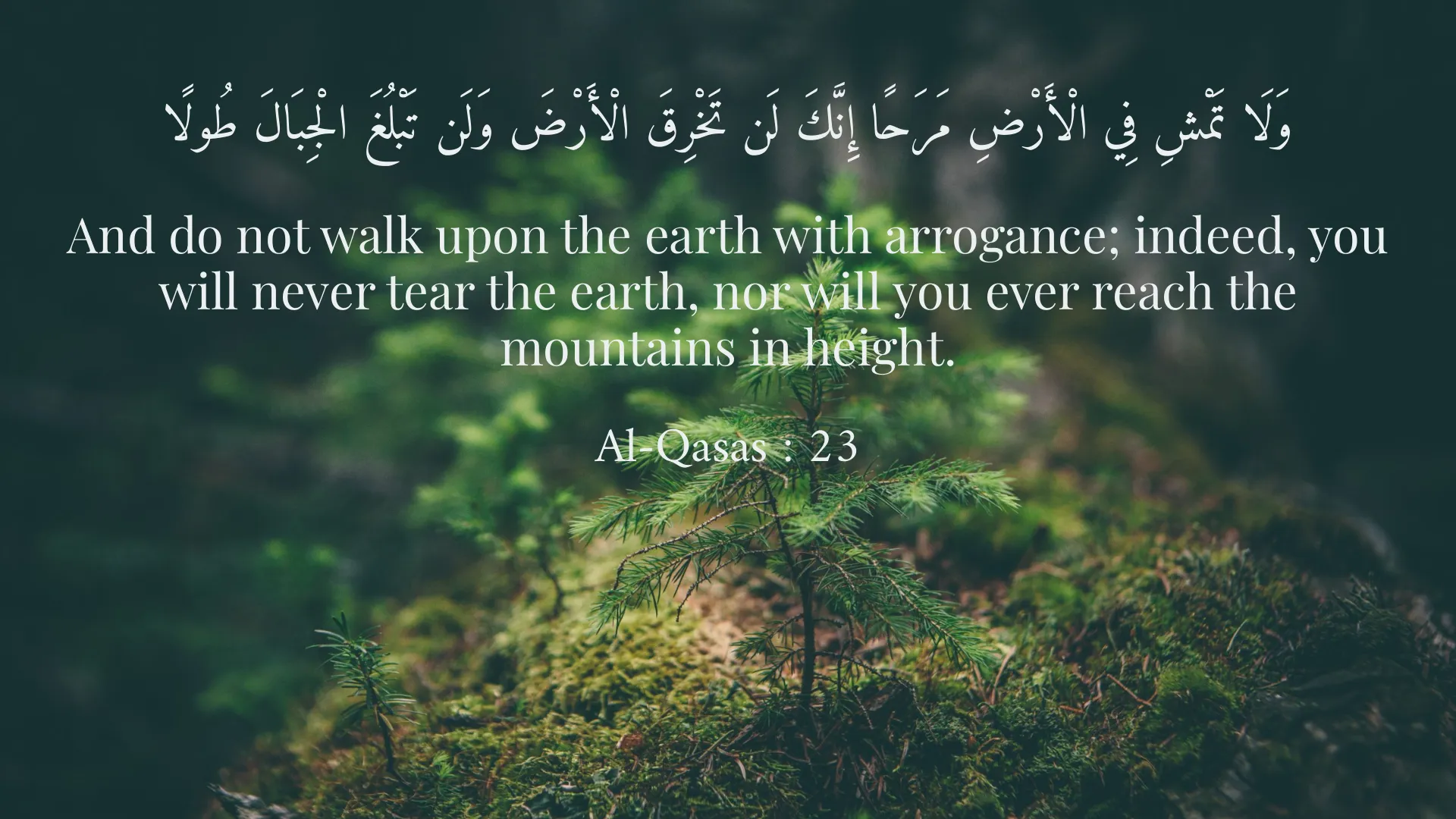
In today's world, the importance of humility and the perils of arrogance cannot be overstated. Arrogance, characterized by an inflated sense of self-importance and a lack of regard for others, is increasingly becoming a pervasive issue in society. Within the framework of the Holy Quran, Allah provides profound insights regarding the dangers of arrogance, emphasizing the significance of humility as an essential moral virtue. Through various verses, Allah articulates these lessons clearly, guiding individuals on how to conduct their lives with grace and integrity. One of the defining verses addressing arrogance is found in Surah Al-Qasas, specifically verse 23, which reads: 'And do not walk upon the earth with arrogance; indeed, you will never tear the earth, nor will you ever reach the mountains in height.' This powerful statement serves as a cautionary tale against the pitfalls of pure conceit and arrogance. It underscores the reality that no matter how powerful or successful an individual may become, they remain insignificant when compared to the omnipotence of Allah. It is a clear reminder that human beings are but mere mortals who will eventually return to their Creator. Arrogance often leads individuals into a false illusion of superiority and invincibility. This attitude not only distances them from others but also blinds them to their deficiencies and imperfections. The Quran addresses this in verse 18 of Surah Al-Baqarah, stating: 'Indeed, those who do not see faults in themselves.' This verse urges individuals to engage in self-introspection and to acknowledge their shortcomings rather than measuring their worth against others. The ability to recognize one's flaws and shortcomings is a vital step towards nurturing humility and developing empathy towards others. The repercussions of arrogance extend beyond the individual, impacting social relationships and interactions. Arrogant individuals typically struggle to form meaningful connections with others, often alienating those around them. Such individuals display a reluctance to submit to truths that contradict their inflated perceptions of self-worth and often lack fairness in their dealings with others. This attitude creates barriers to rational discourse and can lead to social rifts, conflicts, and misunderstandings. The dangers of arrogance are further echoed in verse 31 of Surah Luqman, which presents a critical observation: 'your dreams will not benefit you.' This underlines the idea that intellect or achievements cannot save a person from the consequences of arrogance. No matter how highly a person may regard their own dreams and ambitions, without humility, those aspirations may ultimately crumble. This assertion propels individuals to scrutinize the foundation of their aspirations, ensuring that they are built on values of respect, kindness, and humility rather than arrogance and pride. Beyond the temporary social and emotional repercussions, arrogance carries significant spiritual consequences, particularly in the context of the afterlife. In verse 93 of Surah An-Nisa, Allah clearly articulates that the arrogant will not triumph over the believers and will be deprived of divine blessings on the Day of Judgment. This solemn reminder reinforces the notion that arrogance not only impedes personal and social growth but also jeopardizes one's spiritual welfare. The stark contrast drawn between the believer and the arrogant serves as a beacon of guidance and serves to instill a sense of responsibility among individuals to cultivate humility in their lives. At its core, the Quranic exhortations regarding arrogance are fundamentally tied to the principle of self-awareness and the acknowledgement of an individual's place in the grand tapestry of existence. Allah's emphasis on the virtues of humility and respect for others encourages individuals to foster genuine connections, promote social harmony, and live within the bounds of divine grace. The idea of humility is not merely about lowering oneself; rather, it is a recognition of the inherent worth of every individual and an acknowledgment of the interconnectedness of all beings. The essence of humility extends beyond mere avoidance of arrogance; it involves an active pursuit of truth, fairness, and respect in all aspects of life. Individuals are called to treat others with compassion and dignity, fostering an environment where everyone is valued. Embracing humility nurtures a sense of collective responsibility, encouraging individuals to contribute positively to their communities and the world at large. One may ask, how can this translation of Quranic wisdom into everyday practice be achieved? It begins with recognizing the significance of humility in personal growth and development. Practicing humility requires a conscious effort to listen and learn from others, embracing the idea that knowledge is not confined to one individual or group. In applying these principles, individuals can seek feedback from their peers and mentors, ensuring a consistent journey towards self-improvement. Moreover, fostering humility in relationships involves active engagement with the community, participating in charitable causes, and valuing the contributions of others. Engaging with diverse perspectives enhances empathy and a greater understanding of varied experiences, thereby dismantling the arrogance born from ignorance or societal privilege. It encourages individuals to appreciate the beauty of diversity and the richness it brings to human understanding and progression. In conclusion, the Quran's teachings on arrogance and humility serve not only as crucial reminders of the moral imperatives that govern human conduct but also highlight the broader implications of these virtues in fostering personal development, nurturing relationships, and ensuring spiritual growth. Refraining from arrogance is synonymous with accepting the truth of one’s place in the universe and recognizing the value of every individual. Ultimately, the teachings of Allah implore individuals to embrace humility as a guiding principle in their lives, paving the way towards a more compassionate, understanding, and just society. By internalizing these lessons and sharing them with others, we may cultivate an environment that reveres humility and enhances the collective human experience.
Related Verses
وَلَا تَمْشِ فِي الْأَرْضِ مَرَحًا إِنَّكَ لَن تَخْرِقَ الْأَرْضَ وَلَن تَبْلُغَ الْجِبَالَ طُولًا
And do not walk upon the earth with arrogance; indeed, you will never tear the earth, nor will you ever reach the mountains in height.
Al-Qasas : 23
إنّ الذين لا يرون بهم عيباً
Indeed, those who do not see faults in themselves.
Al-Baqarah : 18
وَلا تَنْفَعُكُمْ أَحْلَامُكُمْ
Your intellect will not save you.
Luqman : 31
Short Story
One day in a small town, a man named Hassan was walking towards the mosque. On the way, he encountered a poor individual begging. Hassan looked at him with arrogance, thinking he was superior. However, upon reaching the mosque and listening to the sermon, he realized how Allah treats His servants and that arrogance leads to a lack of blessings in life. After that, he decided to act with humility and help others. Over time, Hassan's life changed, and he found greater peace.