Quranic Answer
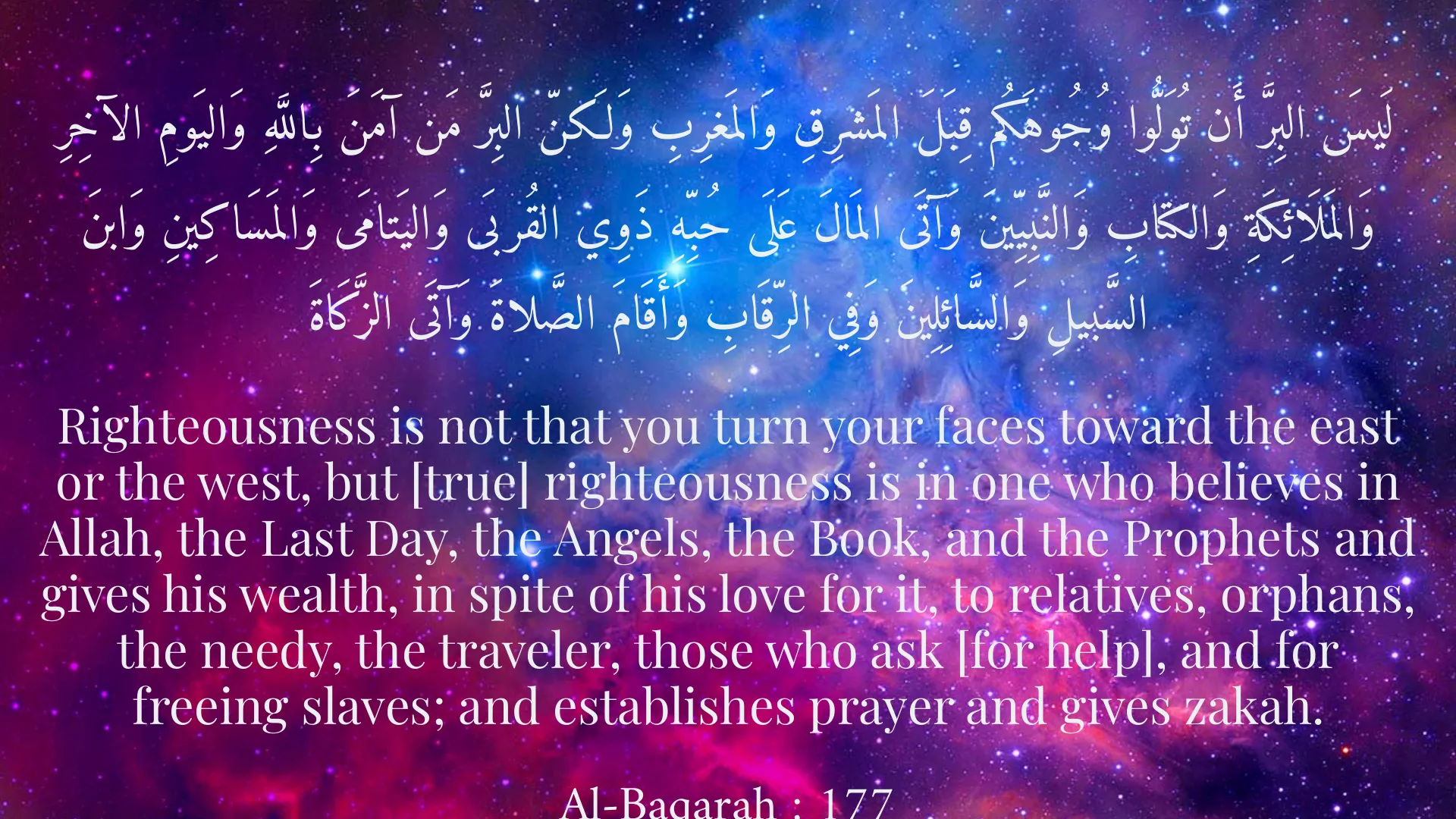
The Holy Quran, the central religious text of Islam, is often regarded as a comprehensive guide to personal conduct, social justice, and moral obligation. Among the various themes woven throughout its pages, the emphasis on aiding orphans stands out as a particularly poignant reminder of the responsibilities borne by individuals within a community. Orphans, often marked as the most vulnerable demographic in society, are a pressing focus of many verses in the Quran that advocate for their support, compassion, and protection. This article aims to explore the significance of these teachings and the broader implications of supporting orphans as commanded in Islamic scripture. In examining the Quran's messages concerning orphans, it's important to first highlight the specific sections that address their needs. Surah Al-Baqarah, verse 177, asserts, "Righteousness is in one who believes in Allah, the Last Day, the Angels, the Book, and the Prophets, and gives his wealth, in spite of love for it, to relatives, orphans, the needy, the traveler, those who ask [for help], and for freeing slaves..." This verse serves as a foundational statement about social responsibility within Islam, presenting charitable acts toward orphans as a manifestation of faith. Here, the Quran establishes a clear connection between one's beliefs and actions. It underscores that true righteousness and devotion to God extend beyond individual worship to include a tangible commitment to enhancing the lives of others, especially those in dire circumstances such as orphans. The vulnerability of orphans is further highlighted in Surah Al-An'am, verse 152, where it becomes evident that not only should they be cared for, but also that believers are forbidden from abandoning them. This divine exhortation speaks volumes of the care should be taken to ensure that societal norms uphold the dignity and rights of orphaned children. Furthermore, such emphasis instructs Muslims to view support for orphans not merely as an act of charity but as a non-negotiable duty rooted deeply within the very framework of Islamic belief and practice. Moreover, Surah An-Nisa, verse 10, contains a cautionary warning about the treatment of orphans and their assets, stating, "Indeed, those who consume the wealth of orphans unjustly are only consuming into their bellies fire. And they will be arrested about a Blaze." This verse highlights the severity of neglecting the rights of orphans and taking advantage of their vulnerabilities. The imagery of consuming fire serves as a stark reminder that one’s ethical and moral responsibilities extend beyond mere acts of kindness; they involve safeguarding the rights and welfare of those who are powerless and often disregarded. Taking a closer look at these verses, it becomes abundantly clear that the Quran’s call to action concerning orphans is a fundamental aspect of Islamic teaching. The significance of these teachings transcends mere words; they reflect a foundational principle of compassion and human dignity. The repetitive emphasis across multiple chapters elucidates a moral framework in which supporting orphans is not merely encouraged but is essential for creating a just and humane society. Incorporating these Quranic principles into everyday life can yield transformative effects on the community structure. When Muslims actually engage in good deeds toward orphans, they foster an environment of mutual support and philanthropy. Societal challenges, when addressed as a collective, usher in opportunities for social cohesion, reinforcing the bonds of community spirit. In practical terms, this means that the establishment of orphanages, financial assistance for orphaned children, and educational initiatives specifically targeting vulnerable children are not just acts of benevolence but necessary components of healthy community dynamics. Additionally, supporting orphans can also have far-reaching implications beyond individual acts of charity. It cultivates an ethos of empathy among community members, instilling values of kindness, altruism, and collective responsibility. Engaging in the direct support of orphans may inspire others to follow suit, thereby triggering a ripple effect of charitable initiatives that can improve the overall wellbeing of society. Furthermore, engaging with orphans on a personal level significantly enriches both the giver and the receiver. Interacting with orphaned children enables a transfer of knowledge, life skills, and emotional support, which serve to bridge generational divides and cultivate resilience amongst the youth. It creates a network of support that is intergenerational, with the potential to shape future leaders who are empathetic and aware of social issues that may affect them or their communities. The implications of these teachings go beyond individual or local contexts; they resonate universally in that they amplify a humanitarian perspective that is vital in today’s world. Globally, millions of children find themselves orphaned due to war, disease, or poverty. The Quranic emphasis on caring for orphans serves as a powerful reminder for Muslims to not only provide for their immediate communities but to extend their compassion and resources globally. The integration of these practices within a worldwide Islamic framework can play a pivotal role in addressing systemic issues related to child welfare and justice. In conclusion, the Quran's teachings about the importance of supporting orphans reflect profound social and moral principles that are integral to the fabric of Islam. By obligating believers to protect and provide for orphans, these texts foster a community-oriented mindset that prioritizes compassion, fairness, and collective responsibility. As Muslims engage with orphans on personal and larger scales, they forge stronger bonds of community and encourage a culture of charity that transcends individual self-interest. Ultimately, this not only satisfies spiritual obligations but also empowers the most vulnerable members of society, paving the way for a future where mutual respect and assistance flourish among individuals. As society moves towards a more inclusive and justice-oriented framework, the Quran stands as a timeless guide, urging believers to embrace the mantle of responsibility for orphans and weaker members of their communities.
Related Verses
لَيسَ البِرَّ أَن تُوَلُّوا وُجُوهَكُم قِبَلَ المَشرِقِ وَالمَغرِبِ وَلَكنّ البِرَّ مَن آمَنَ بِاللَّهِ وَاليَومِ الآخِرِ وَالمَلَائِكَةِ وَالكتابِ وَالنَّبِيِّينَ وَآتَى المَالَ عَلَى حُبِّهِ ذَوِي القُربَى وَاليَتامَى وَالمَسَاكِينِ وَابنَ السَّبيلِ وَالسَّائِلِينَ وَفِي الرِّقَابِ وَأَقَامَ الصَّلاةَ وَآتَى الزَّكَاةَ
Righteousness is not that you turn your faces toward the east or the west, but [true] righteousness is in one who believes in Allah, the Last Day, the Angels, the Book, and the Prophets and gives his wealth, in spite of his love for it, to relatives, orphans, the needy, the traveler, those who ask [for help], and for freeing slaves; and establishes prayer and gives zakah.
Al-Baqarah : 177
وَلا تَقْرَبُوا مَالَ الْيَتِيمِ إِلَّا بِالَّتِي هِيَ أَحْسَنُ حَتَّى يَبْلُغَ أَشُدَّهُ ۚ وَأَوْفُوا بِالْعَهْدِ ۚ إِنَّ الْعَهْدَ كَانَ مَسْؤُولًا
And do not approach the orphan's property except in a way that is best until he reaches maturity. And fulfill [every] commitment. Indeed, the covenant is ever [that about which one will be] questioned.
Al-An'am : 152
إِنَّ الَّذِينَ يَأْكُلُونَ أَمْوَالَ الْيَتَامَى ظُلْمًا إِنَّمَا يَأْكُلُونَ فِي بُطُونِهِم نَارًا ۖ وَسَيَصْلَوْنَ سَعِيرًا
Indeed, those who consume the wealth of orphans unjustly are only consuming fire into their bellies. And they will be burned in a Blaze.
An-Nisa : 10
Short Story
Zainab was a small girl who had lost her mother and was growing up with her aunt. Her aunt reminded her every day that orphans should be supported, raising her with love and respect. One day, Zainab noticed that one of her classmates was an orphan and no one was helping him. She decided to speak to her aunt and requested that they also help that orphan boy. Her aunt happily agreed and they visited the boy together and showed him kindness. This experience made Zainab very happy and she realized that supporting orphans is a beautiful human act.