Quranic Answer
Feeling apathetic or disinclined towards spirituality is a common human experience, and many individuals may go through such phases in their lives. While the Holy Quran does not directly use the term “spiritual apathy,” it addresses states and factors that can lead to weakness of faith, heedlessness, and deviation from the spiritual path, offering solutions to regain spiritual vitality. This state usually arises from one or a combination of internal and external factors that diminish an individual’s connection with their Creator and their primary life purpose. Understanding these factors from a Quranic perspective is a fundamental step towards overcoming this apathy. One of the most significant reasons for spiritual apathy, according to the Quran, is 'Ghaflah' or heedlessness. Ghaflah means forgetting the main purpose of creation and becoming overly engrossed in worldly pleasures and preoccupations. When a person becomes excessively attached to material and fleeting worldly matters and neglects the remembrance of God and the Hereafter, their heart hardens, losing its inclination towards Dhikr (remembrance of God), worship, and contemplation of divine signs. The Quran warns against this state in several verses, referring to individuals who are solely attached to worldly life and turn away from God’s signs as 'Ghafiloon' (the heedless). This heedlessness acts like a veil over the heart, preventing the light of guidance and spiritual tranquility from penetrating. When one is consumed by matters such as work, prosperity, entertainment, and social relations, and fails to allocate sufficient time for introspection and connecting with their Creator, their spiritual energy gradually depletes, replaced by a sense of emptiness and apathy. This attachment to the world can progress to the point where a person forgets the afterlife, dedicating all efforts to building a fleeting world, which ultimately yields nothing but spiritual fatigue and missed spiritual opportunities. A second factor is 'sins and disobedience.' Every sin an individual commits leaves a stain on the mirror of the heart. Repeated sins and failure to repent accumulate these stains, clouding the heart’s mirror until it can no longer reflect divine light or receive spiritual inspirations. The Quran points out that evil deeds can seal hearts, preventing them from understanding truths. This state can deprive an individual of the joy of worship, leading to feelings of apathy and burdensomeness in performing religious duties. As a person persists in sins, they gradually lose spiritual delight, and worship becomes a dry, lifeless obligation. This distance from God severs the heartfelt connection, and the individual no longer possesses the initial enthusiasm and vitality for spiritual matters. Neglecting obligations and committing forbidden acts gradually reduces religious accountability and instills indifference within a person. Third, 'lack of contemplation and reflection' on divine signs and the wonders of creation contributes to spiritual apathy. The Quran repeatedly invites humanity to ponder upon the creation of the heavens and the earth, the changing seasons, the alternation of night and day, and countless divine blessings. When a person neglects this contemplation, they forget the Creator's grandeur, and their connection with the universe and its wisdom is severed. This lack of reflection makes life seem meaningless and repetitive, leading to a lack of zeal for discovering spiritual truths. This state can result in the loss of 'Basirah' (insight), which blinds the heart to perceiving spiritual realities. Contemplation of creation is one of the primary ways to increase faith and deepen one’s bond with the Creator, and neglecting it causes spiritual stagnation. Without this reflection, a person becomes trapped in a cycle of habits and routines, remaining unaware of their profound self and the world around them. Fourth, 'lack of persistence in righteous deeds' and worship. Faith is not something that remains constant after a single act; rather, it requires continuous nourishment through righteous deeds and acts of worship. When an individual becomes lax in performing prayers, reciting the Quran, engaging in Dhikr, and making supplications, their connection with the primary source of spiritual energy gradually weakens. This laxity can stem from lack of planning, laziness, or despair. The Quran emphasizes consistency in good deeds because these acts sustain the soul and bring tranquility to a person. Lack of persistence in this path deprives individuals of spiritual fruits, allowing feelings of fatigue and apathy to dominate. It is akin to someone planting a seed but neglecting to water it; gradually, the plant withers. The human soul and spirituality similarly require continuous nourishment to grow and remain vibrant. Quranic Solutions for Regaining Spiritual Vitality: 1. Dhikr (Remembrance of Allah): The Quran explicitly states that the remembrance of Allah brings tranquility to hearts (Surah Ar-Ra'd, verse 28). Dhikr is not merely the repetition of words but signifies the presence of heart and continuous attention to God in all aspects of life. Persistence in Dhikr, Quran recitation, and prayer keeps the heart alive and removes the veils of heedlessness. When the remembrance of God becomes prominent in one’s being, worldly worries and attachments fade, replaced by peace and contentment. Divine remembrance serves as nourishment for the soul, strengthening it and enhancing its ability to cope with challenges. Furthermore, Dhikr makes an individual aware of God’s constant presence, guiding their actions and deterring them from committing sins. 2. Patience (Sabr) and Prayer (Salat): In Surah Al-Baqarah, verse 153, the Quran encourages believers to seek help through patience and prayer. Prayer is the pillar of faith and the ascension of the believer, providing a direct connection with the Creator. Patience means steadfastness in the way of God, persistence in worship, and enduring life’s difficulties. These two factors help individuals resist temptations and obstacles, enabling them to continue their spiritual journey with strength. Prayer, performed with focus and presence of heart, imparts immense spiritual energy, while patience fortifies one against life’s ups and downs. These two complement each other: prayer provides spiritual strength, and patience sustains this strength in the right direction. 3. Repentance (Tawbah) and Seeking Forgiveness (Istighfar): Returning to God and seeking forgiveness for sins is one of the most effective ways to cleanse the heart’s rust and restore spiritual freshness. The Quran repeatedly emphasizes the importance of repentance and God’s vast mercy. Sincere repentance not only erases sins but also bestows a new spirit upon an individual, reconciling them with God. The feeling of liberation from the burden of sin naturally brings spiritual vitality and increases motivation for performing righteous deeds. Repentance offers an opportunity for a fresh start and amends for the past, rekindling hope in the heart and guiding one towards perfection. 4. Contemplation and Reflection on Divine Verses and Nature: The Quran encourages us to ponder on the creation of the heavens and the earth, the order governing the universe, and the divine signs within ourselves. This contemplation enhances one’s insight and deepens their connection with divine grandeur and wisdom. When an individual pays attention to these signs, they negate disorder and aimlessness in their life, becoming more purposeful. Reflection awakens the heart and strengthens gratitude, which is a powerful motivator for progress on the spiritual path. This contemplation helps individuals transcend the superficiality of life and reach the depths of their being and the world around them, making life more meaningful. 5. Companionship with Believers and Avoiding Negative Environments: The Quran highlights the importance of associating with righteous and pious individuals. Connecting with people who possess strong spiritual inclination can be inspiring and assist one on their spiritual journey. Conversely, avoiding environments where heedlessness and sin are prevalent helps preserve the soul’s purity and spiritual vitality. Our surroundings and the people we interact with significantly influence our spiritual and emotional state. Attending gatherings of remembrance, religious discussions, and devout communities provides positive energy and morale. In conclusion, spiritual apathy is a temporary stop on the path of spiritual growth, not the end. By understanding its causes and applying Quranic remedies, one can overcome this state and regain spiritual zeal and vibrancy. Let us remember that God is always near to His servants and awaits their return. With every step we take towards Him, He takes steps towards us, filling our hearts with light and tranquility. This path requires patience and perseverance, and its reward is a peace that no worldly pleasure can replace. Spirituality is like a garden that requires continuous watering and care to remain lush. The more attention we give it, the sweeter fruits it will yield, filling our lives with meaning and purpose.
Related Verses
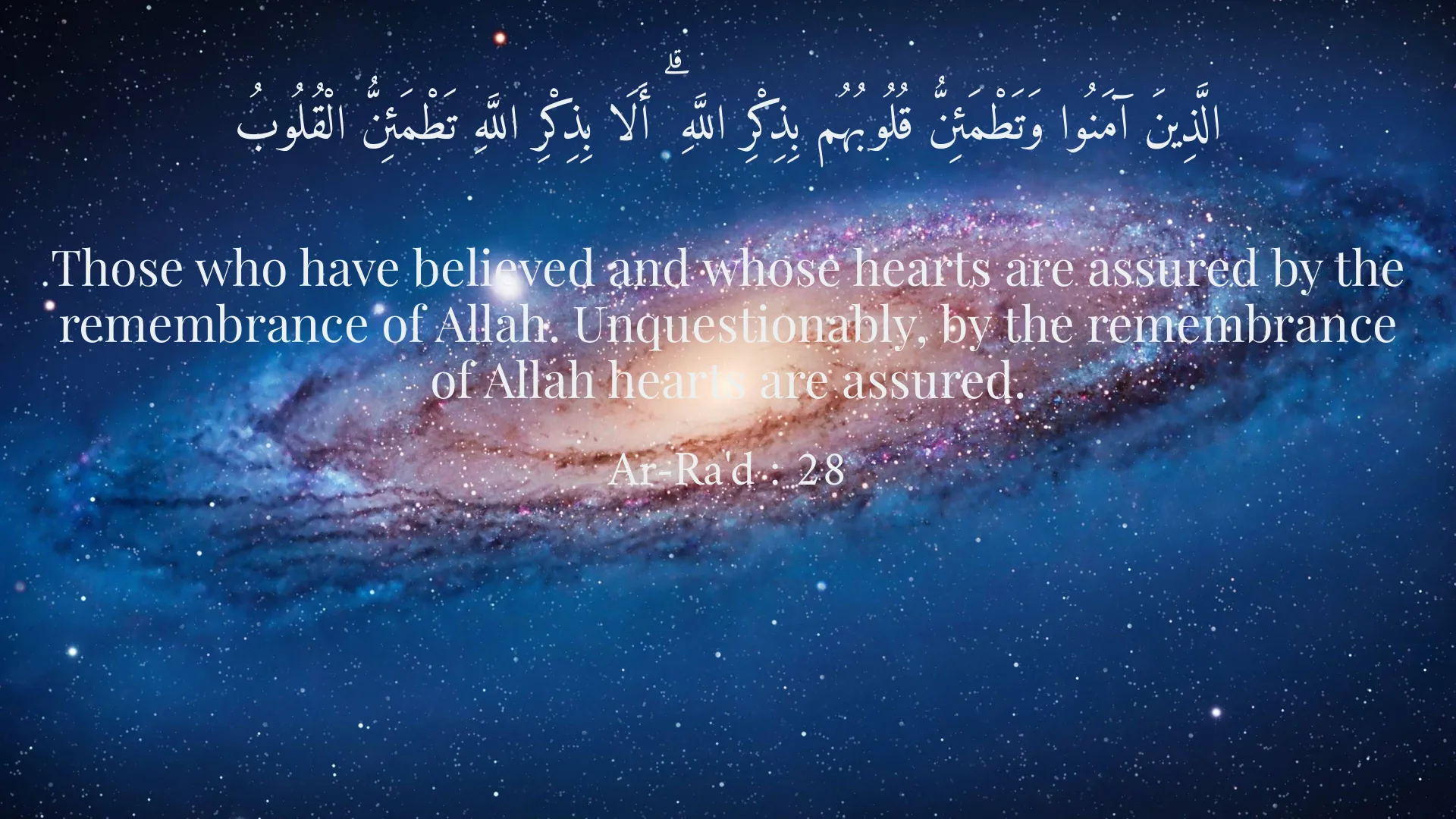
الَّذِينَ آمَنُوا وَتَطْمَئِنُّ قُلُوبُهُم بِذِكْرِ اللَّهِ ۗ أَلَا بِذِكْرِ اللَّهِ تَطْمَئِنُّ الْقُلُوبُ
Those who have believed and whose hearts are assured by the remembrance of Allah. Unquestionably, by the remembrance of Allah hearts are assured.
Ar-Ra'd : 28
يَا أَيُّهَا الَّذِينَ آمَنُوا اسْتَعِينُوا بِالصَّبْرِ وَالصَّلَاةِ ۚ إِنَّ اللَّهَ مَعَ الصَّابِرِينَ
O you who have believed, seek help through patience and prayer. Indeed, Allah is with the patient.
Al-Baqarah : 153
كَلَّا بَلْ ۜ رَانَ عَلَىٰ قُلُوبِهِم مَّا كَانُوا يَكْسِبُونَ
No! Rather, that which they used to earn has covered their hearts.
Al-Mutaffifin : 14
Short Story
It is narrated in Saadi’s Gulistan that there was a wealthy man whose heart was burdened with thoughts and whose soul was agitated. The more his wealth and possessions increased, the further peace and comfort eluded him. One day, he approached a wise man and recounted his state: how, despite all his blessings, his heart had turned away from spirituality and he had become apathetic. The wise man smiled and said, “O noble man, just as clear spring water can become murky when leaves and debris accumulate on its surface, so too does the heart become clouded with heedlessness and attachment to the world. The rust is removed from the mirror of the heart through remembrance of God, repentance, and contemplation of His works. Instead of merely accumulating, give a little of what you have, and instead of aimless running, sit for a moment and look within yourself.” The wealthy man acted upon the wise man's words; he curbed his worldly excesses, engaged in remembrance of God, and helped the needy. Before long, spiritual peace and vitality returned to his heart, and he realized that the true treasure lies within oneself, not in accumulating external riches.