Quranic Answer
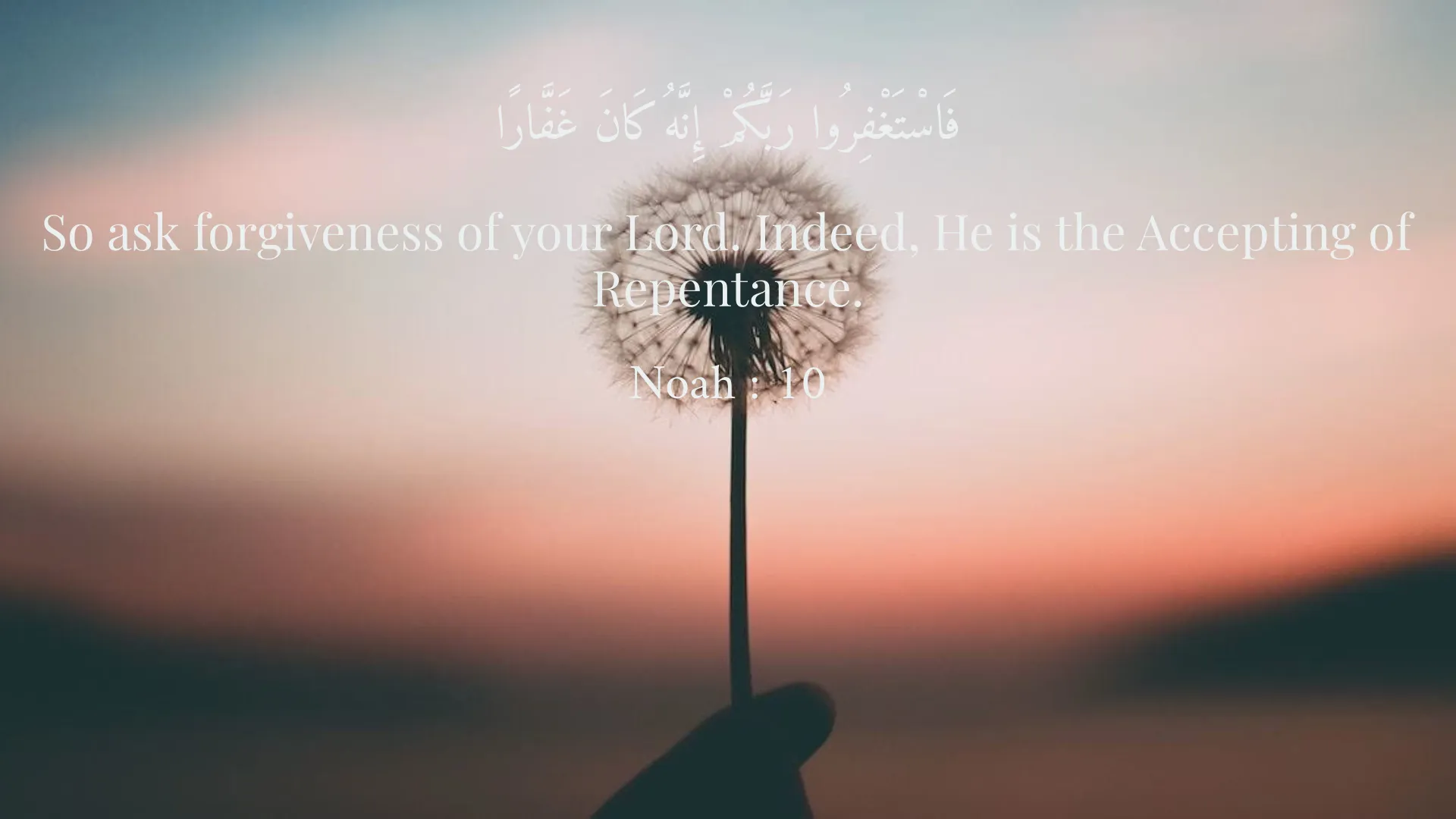
Continuous repentance (Istighfar) is highly recommended in the Holy Quran as one of the virtuous acts and a command of Allah. This spiritual practice holds significant importance in Islam, seen not only as a means of forgiveness but also as a way to cultivate a closer relationship with God. The concept of Istighfar is deeply rooted in the Islamic faith and is emphasized throughout various verses of the Quran, highlighting the inherent nature of human beings to err and the continuous mercy of Allah. ### Understanding Istighfar in the Quran The Quran, as the holy book of Islam, provides profound insights and teachings that guide believers toward a righteous life. One of these teachings is the act of seeking forgiveness (Istighfar). This concept is underscored in multiple verses, demonstrating its importance in the framework of Islamic spirituality. #### Vulnerability to Sin Human beings, according to Islamic belief, are inherently vulnerable to sin and error. This susceptibility underscores the necessity and importance of seeking forgiveness from Allah. In Surah Nuh, verses 10 to 12, the Almighty instructs the Prophet Noah, saying: "So ask forgiveness of your Lord. Indeed, He is the Accepting of Repentance. He will send rain from the heavens upon you in [continuing] showers and give you increase in wealth and children and provide for you gardens and provide for you rivers." This verse is important not only for its direct instruction to seek forgiveness but also for the implications of what follows such repentance. The verse suggests that asking for forgiveness results in an abundance of blessings, such as increased wealth and prosperity in life. It illustrates that Istighfar leads not only to the absolution of sins but also transforms one's circumstances, leading to a more fulfilling existence. ### Spiritual Blessings of Repentance In addition to material benefits, continuous repentance opens the doors to spiritual blessings. Surah Aal-e-Imran, verse 135, states: "And those who, when they commit an immorality or wrong themselves by transgression, remember Allah and seek forgiveness for their sins—and who can forgive sins except Allah?" This underscores the belief that true repentance involves being aware of one’s wrongdoings, remembering Allah, and seeking His forgiveness. This process is not just about addressing past misdeeds but also about ensuring moral and spiritual growth. Recognizing one's faults and turning back to God facilitates a deeper relationship with the Creator, fostering a sense of accountability and self-improvement among believers. ### The Transformative Power of Continuous Repentance Repentance, or Istighfar, serves as a foundational principle in the spiritual and moral upbringing of individuals. It acts as a form of purification; as believers continually seek forgiveness, they cleanse their hearts and souls from sins and impurities. This is crucial not only for personal redemption but also for enhancing one's overall character and actions in daily life. By cultivating a habit of continuous repentance, individuals develop a greater consciousness of their deeds, which leads to more mindful living. The act itself can transform how one interacts with the world, prompting them to become more compassionate, empathetic, and mindful of their actions. Through Istighfar, individuals are challenged to grow beyond past mistakes, thereby reorienting their lives in harmony with Islamic values. ### Repentance as a Source of Inner Peace Moreover, the continuous act of seeking forgiveness enhances one's sense of contentment and inner peace. By acknowledging their transgressions and placing trust in Allah's mercy, individuals can alleviate feelings of guilt and regret. The state of being engaged in repentance fosters tranquility in the heart and soul, allowing believers to move forward in life with hope and optimism. The connection between seeking forgiveness and experiencing serenity is profound in both personal and communal contexts. When individuals genuinely repent, they are encouraged to reconcile relationships damaged by their actions, thereby enhancing social harmony. Seeking forgiveness has the power to heal not only the individual but also the community at large, creating a culture of compassion, understanding, and support. ### Conclusion In conclusion, continuous repentance (Istighfar) stands as a noble act encouraged in the Holy Quran, deeply intertwined with the spiritual journey of every Muslim. The undeniable truth of human fallibility necessitates the act of repentance, allowing believers to seek the boundless mercy of Allah. Through the verses of the Quran, it becomes clear that Istighfar leads to divine acceptance and blessings—both materially and spiritually. By embracing continuous repentance, individuals embark on a path of self-discovery, moral rectitude, and spiritual fulfillment, nurturing a closer relationship with their Creator. This act not only serves as a reminder of human vulnerability but also as a testament to the infinite mercy and compassion of Allah, reinforcing the importance of turning back to Him amidst life’s challenges. It is through repentance that individuals can truly cultivate peace, redemption, and a renewed sense of purpose in their lives.
Related Verses
فَاسْتَغْفِرُوا رَبَّكُمْ إِنَّهُ كَانَ غَفَّارًا
So ask forgiveness of your Lord. Indeed, He is the Accepting of Repentance.
Noah : 10
وَالَّذِينَ إِذَا فَعَلُوا فَاحِشَةً أَوْ ظَلَمُوا أَنفُسَهُمْ ذَكَرُوا اللَّهَ فَاسْتَغْفَرُوا لِذُنُوبِهِمْ وَمَنْ يَغْفِرُ الذُّنُوبَ إِلَّا اللَّهُ
And those who, when they commit an immorality or wrong themselves by transgression, remember Allah and seek forgiveness for their sins—and who can forgive sins except Allah?
Aal-e-Imran : 135
Short Story
One day, a worshiper was sitting in the desert, contemplating repentance and forgiveness. He told God, 'O Lord, I have erred, and every day I need forgiveness.' Suddenly, a voice from the heavens reached him saying, 'Repent, for I am always forgiving.' This worshiper decided to seek forgiveness several times a day and from that day on, his life transformed. He always felt a sense of peace and closeness to God.