Quranic Answer
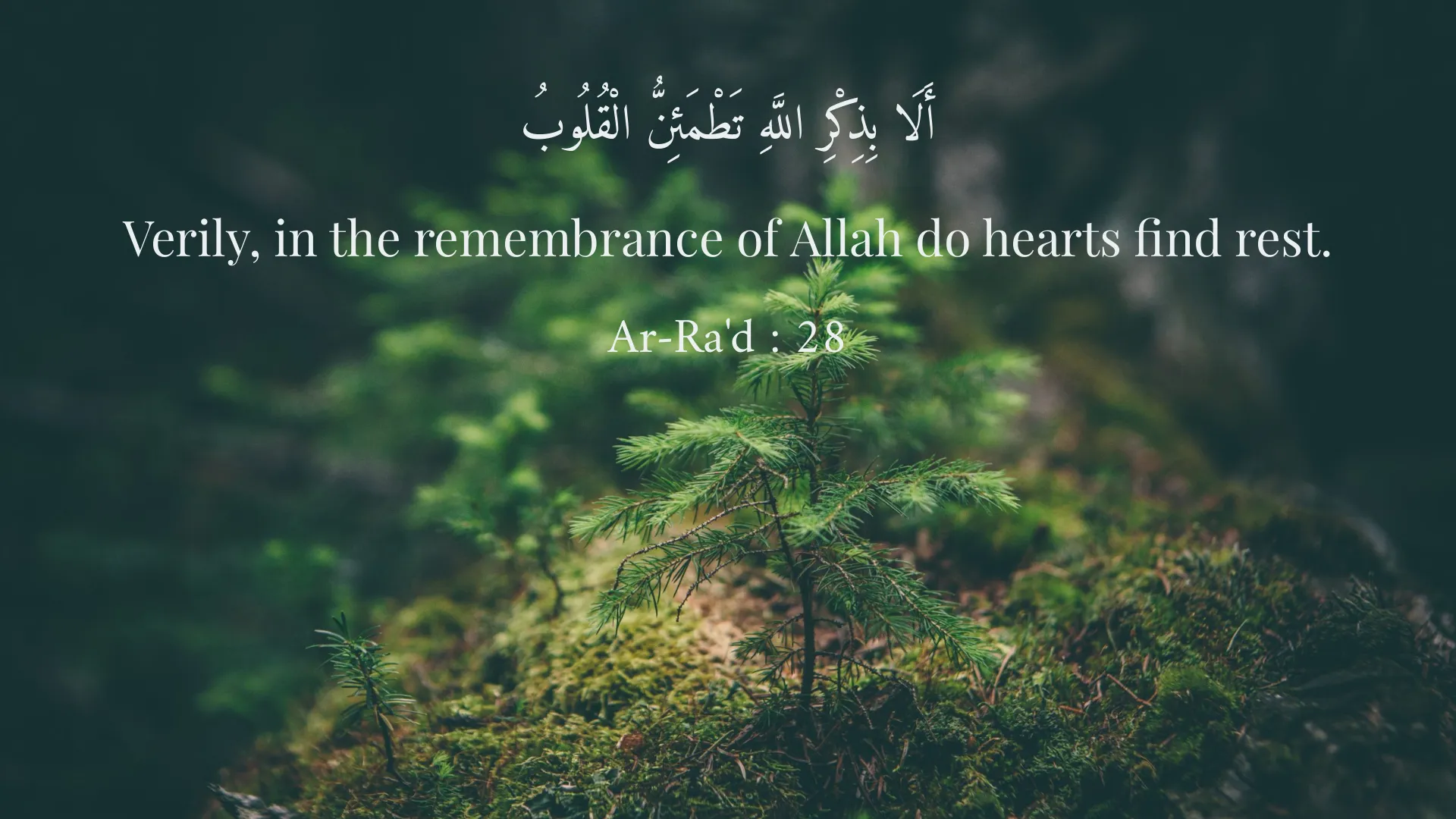
Reciting dhikr, or the remembrance of Allah, holds a significant place in Islamic culture and spirituality. This practice not only enhances an individual’s relationship with the Divine but also plays a crucial role in personal development and mental well-being. The term 'dhikr' itself derives from the Arabic root 'dh-k-r', which means 'to remember' or 'to mention.' It is an act that involves the repetition of God’s names, attributes, and praises, fostering mindfulness and spiritual connection among believers. With the ever-changing landscape of modern life and the challenges that accompany it, dhikr emerges as a vital tool for individuals seeking solace and tranquility amidst chaos. The Quran, which serves as the foundational text of Islam, places great emphasis on the importance of remembrance of Allah. Among its many verses, Surah Ar-Ra'd (Chapter 13), verse 28 stands out: 'Verily, in the remembrance of Allah do hearts find rest.' This powerful verse succinctly encapsulates the spiritual benefits of engaging in dhikr. In remembrance of Allah, believers find not only comfort but also a profound sense of peace that calms their hearts and souls. The repetition of Allah’s name and attributes in different forms aligns one’s thoughts and emotions with the divine, leading to inner harmony. In today's fast-paced world, where stress and anxiety have become commonplace, dhikr offers a sanctuary to individuals who feel overwhelmed by life's trials and tribulations. By integrating the practice of dhikr into daily life, believers can combat feelings of unease and uncertainty. In Surah Al-Baqarah (Chapter 2), verse 152, Allah reminds us: 'So remember Me; I will remember you.' This reciprocal relationship fosters a deep sense of connection and reliance on Allah. Attentive remembrance encourages believers to reflect upon their lives, acknowledge their challenges, and trust in Allah's wisdom and guidance. The mental health benefits of dhikr cannot be overstated. Studies have shown that regular engagement in spiritual practices, including dhikr, can substantially reduce anxiety, depression, and stress. The rhythmic recitation of divine names serves as a form of meditation, promoting mindfulness and concentration. It allows individuals to break free from the distractions of the outside world and cultivate a sense of awareness and presence in the moment. This practice ultimately leads to reduced feelings of isolation and emotional distress, as believers consistently remind themselves of Allah’s mercy and support. When faced with difficulties, such as loss, hardship, or personal failures, individuals can utilize dhikr as a coping mechanism. Instead of succumbing to despair, turning to remembrance of Allah offers a sense of perspective and strength. The emotional support one derives from remembering Allah provides a greater resilience in navigating the challenges that life presents. This transformative power of dhikr fosters a more profound understanding of one's circumstances, creating a sense of surrender to Allah's will, which in turn cultivates peace and acceptance. Moreover, engaging in dhikr also enhances the sense of community among believers. Group dhikr practices, such as congregational prayers or gatherings for remembrance, enable individuals to come together in unity and support one another in faith. These communal acts not only reinforce individual strength but also strengthen bonds between members of the community. When individuals gather to engage in dhikr, there is a collective energy created, which amplifies the spiritual experience and encourages deeper connections with one another. The result is a network of support that thrives on shared beliefs and values. In addition to the psychological and communal benefits, dhikr acts as a means of expressing gratitude to Allah for His countless blessings. In Islam, recognizing and appreciating the blessings in one’s life is an essential aspect of spiritual development. Engaging in dhikr allows individuals to reflect upon the generosity of Allah, acknowledging both the obvious and subtle manifestations of His grace. By regularly recounting these blessings, believers not only cultivate a sense of gratitude but also foster contentment within themselves. It is essential to note that the practice of dhikr is not limited to specific times or places; it can be performed anywhere and at any moment. Whether during prayer, while engaged in daily tasks, or in moments of solitude, the remembrance of Allah can infuse life with purpose and tranquility. Simple phrases, such as 'Allahu Akbar' (Allah is the Greatest), 'SubhanAllah' (Glory be to Allah), and 'Alhamdulillah' (Praise be to Allah), can be recited continuously, serving as constant reminders of one's faith and the divine presence in every aspect of life. This fluidity in practice allows individuals to maintain their spirituality amid the obligations and busyness of everyday life. As believers engage deeply in dhikr, they may find themselves more attuned to their spiritual needs and aspirations. It becomes an integral part of one’s identity, guiding decision-making and shaping moral and ethical perspectives. This authentic connection with Allah encourages individuals to not only become better versions of themselves but also to strive for improvement in their interactions with others and the world around them. In conclusion, reciting dhikr is far more than a mere ritual; it is a profound act of worship that fosters spiritual growth, mental wellness, and a sense of community. Through the powerful verses of the Qur'an, we understand that remembering Allah not only brings peace to our hearts but also strengthens our faith and enhances our coping mechanisms for life’s challenges. In a world that often promotes distractions and chaos, turning towards the remembrance of Allah serves as a beacon of light, guiding believers toward personal fulfillment and authentic happiness. As we navigate through life’s complexities, embracing dhikr can lead us to a state of tranquility where we acknowledge Allah’s blessings and cultivate a deeper sense of gratitude and contentment.
Related Verses
أَلَا بِذِكْرِ اللَّهِ تَطْمَئِنُّ الْقُلُوبُ
Verily, in the remembrance of Allah do hearts find rest.
Ar-Ra'd : 28
فَاذْكُرُونِي أَذْكُرْكُمْ
So remember Me; I will remember you.
Al-Baqarah : 152
Short Story
One day, a man felt a heaviness in his heart. Remembering the verses of the Quran, he decided to engage in dhikr. Consequently, every morning and evening, he made sure to remember Allah. After some time, he felt a greater sense of peace and all his worries and sorrow began to fade away. He found his place in the heart of Allah, and his life transformed.