Quranic Answer
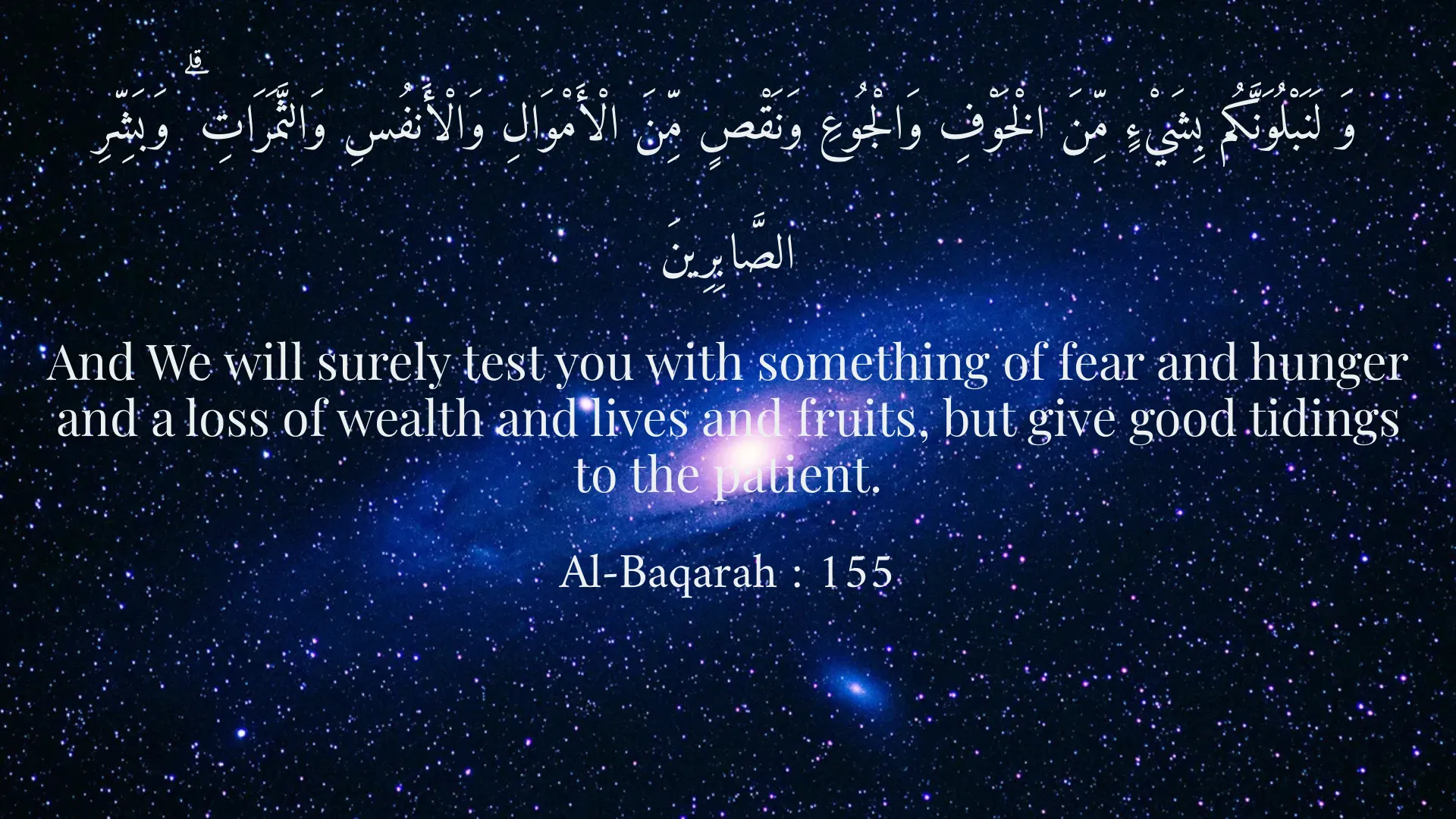
In the Holy Quran, life is depicted not merely as a fleeting existence but as a divine gift, imbued with significance, purpose, and opportunities for personal and spiritual growth. The perspective offered by the Quran is profound, encouraging believers to perceive life as an arena in which they can cultivate virtues, engage in righteous actions, and strive towards moral and spiritual perfection. This article delves into the key themes surrounding the meaning of life in the Quran, exploring the critical lessons learned from the challenges faced by humanity and the importance of patience and endurance. The Quran acknowledges that all human beings are placed on this earth for their perfection and development. This theme resonates throughout its verses and highlights the inherent value of earthly life as a stage for growth. In Surah Al-Baqarah, verse 155, it states: 'And We will surely test you with something of fear and hunger and a loss of wealth and lives and fruits, but give good tidings to the patient.' This verse captures the essence of the human experience, pointing out that life is fraught with trials and tribulations. It is through these challenges that individuals are evaluated and their faith is strengthened. The trials mentioned in this verse serve various purposes; they are catalysts for personal development, forging resilience, and deepening a believer's connection to their Creator. The Quran also conveys a deeper message regarding hardships encountered during life, suggesting that they are not merely obstacles but rather tools for refinement and growth. For many, challenges such as fear, hunger, and loss may prompt feelings of despair, leading to a longing for escape, or in extreme cases, thoughts of death. However, the Quran teaches that wishing for death is not an escape from life's problems but an indication of losing sight of the opportunities for growth it provides. Life is a series of tests meant for human beings to rise above their limitations, overcome adversities, and gain wisdom from their experiences. Moreover, the Quran cautions against the perception of death as merely an end. Human beings are reminded through various verses that the time of their death is known only to Allah, and contemplating it as a solution demonstrates a lack of understanding of the divine wisdom behind life's trials. In Surah Aal-E-Imran, verse 169, the Quran states: 'And do not think of those who have been killed in the way of Allah as dead; rather, they are alive with their Lord and are provided for.' This significant teaching illustrates that there exists a higher purpose when one leads their life with devotion to God. Those who dedicate their lives in pursuit of righteousness, even at the cost of their lives, are rewarded with an existence beyond the physical realm, filled with divine sustenance and support from Allah. The theme of martyrdom and sacrifice occupies a significant place in the Islamic worldview. It highlights the idea that life isn't solely about physical existence; rather, it underscores a spiritual journey toward divine acceptance and closeness to Allah. Those who sacrifice their lives in the path of righteousness are afforded a unique status and are granted a form of existence that extends beyond death, creating a spiritual legacy that encourages others to persevere in their faith. From these teachings, it becomes clear that living, even amidst challenges, is a profound opportunity to seek closeness to God. Each moment of life, regardless of its nature, offers a stage for practicing benevolence, nurturing relationships, and performing good deeds. The Quran invites believers to take up their roles actively, emphasizing that the true essence of life is not in seeking control over the duration of existence but rather in maximizing the quality and purpose of each moment. In addition to enduring life's trials, the Quran urges believers to recognize and appreciate the blessings embedded in their lives and the lives of those around them. Gratitude plays an essential role in Islamic teachings, encouraging individuals to acknowledge their privileges, challenges, and the opportunities for service to others. This expression of gratitude fosters a positive attitude toward life and strengthens one's resolve to continue striving for betterment despite life's inherent difficulties. Furthermore, the communal aspect of the Quran's teachings highlights the importance of supporting one another during times of hardship. The Quran serves as a guide not just for individual growth but also for collective well-being, emphasizing the interconnectedness of humanity. It prompts believers to engage in acts of kindness and support those navigating their trials, reiterating that the fabric of society thrives when individuals uphold one another. Thus, each person’s efforts contribute to a more compassionate community, resonating with the core values of empathy, assistance, and communal responsibility. Ultimately, the Quran emphasizes that living itself is a blessing, a privilege that should not be taken for granted. Each human being is endowed with the capacity to make choices, to shape their character, and to leave a lasting impact on the world around them. Therefore, it is imperative for individuals to embrace life wholeheartedly, recognizing the treasured opportunities it provides to engage in positive actions and affect change. In conclusion, the Quran provides a comprehensive framework for understanding the meaning of life through divine testing, challenges, and opportunities for spiritual and personal development. The emphasis on resilience, gratitude, communal responsibility, and the sanctity of life encourages believers to cherish their existence and venture boldly through the trials they face. As believers navigate through life's complexities, they are reminded that the journey of existence is not simply a phase to be endured, but rather a divine gift to be cherished in pursuit of closeness to Allah and the performance of good deeds for the betterment of all.
Related Verses
وَ لَنَبْلُوَنَّكُم بِشَيْءٍ مِّنَ الْخَوْفِ وَالْجُوعِ وَنَقْصٍ مِّنَ الْأَمْوَالِ وَالْأَنفُسِ وَالثَّمَرَاتِ ۗ وَبَشِّرِ الصَّابِرِينَ
And We will surely test you with something of fear and hunger and a loss of wealth and lives and fruits, but give good tidings to the patient.
Al-Baqarah : 155
وَلَا تَحْسَبَنَّ الَّذِينَ قُتِلُوا فِي سَبِيلِ اللَّهِ أَمْوَاتًا ۖ بَلْ أَحْيَاءٌ عِندَ رَبِّهِمْ يُرْزَقُونَ
And do not think of those who have been killed in the way of Allah as dead; rather, they are alive with their Lord and are provided for.
Aal-E-Imran : 169
Short Story
Once in a faraway land, there lived a man named Ali who was contemplating the hardships of life. One day, he decided to visit a mosque and read the Quran. While reading the verses, he realized that life was a gift from God and he should utilize it. From that day on, he began serving others and helping the needy, and he never wished for death again.