Quranic Answer
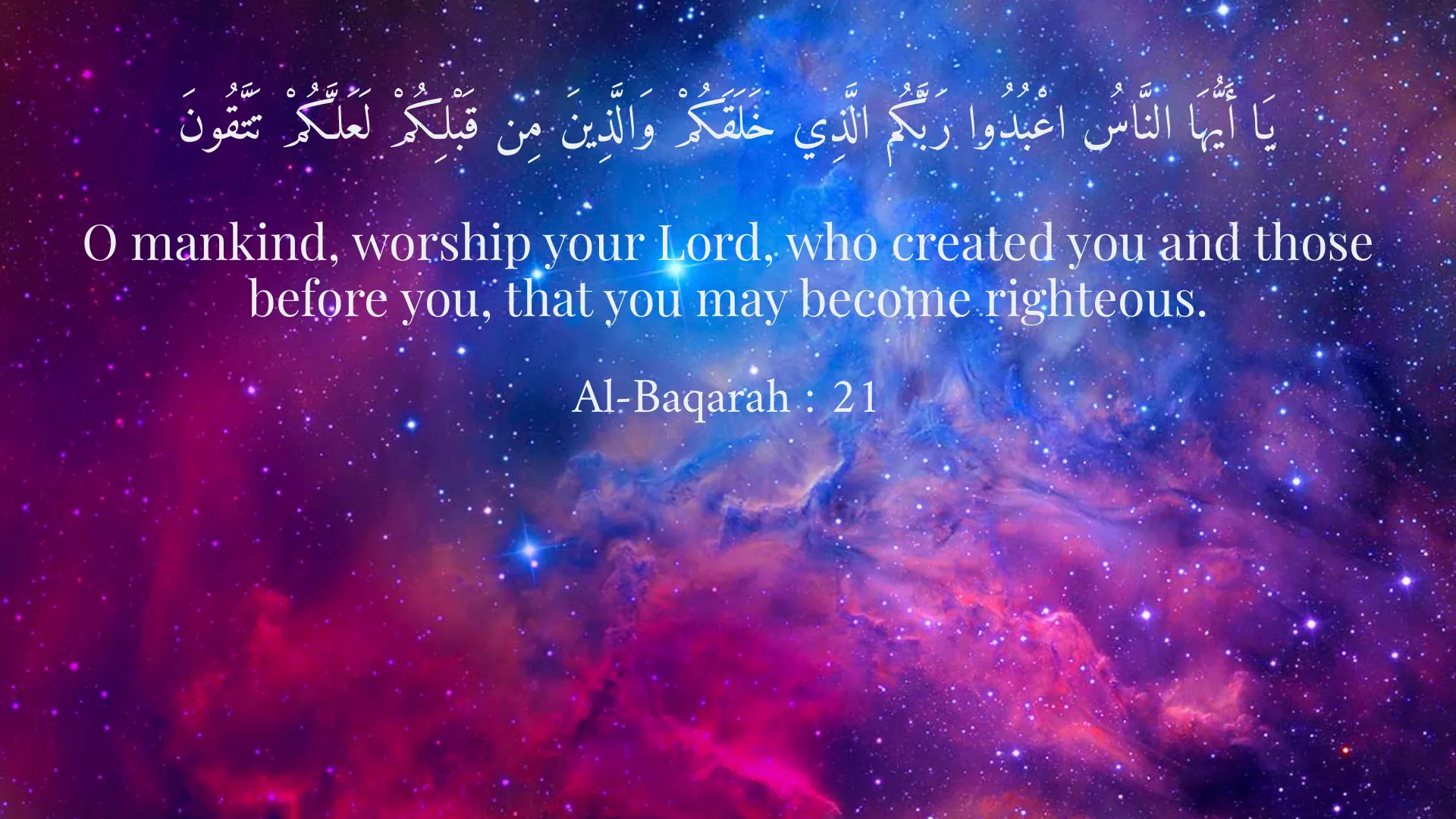
In the Holy Quran, blessings and divine gifts serve as profound signs of God's mercy and love for His servants. The Quran consistently encourages believers to reflect on the nature of these blessings and emphasizes the need for gratitude. One of the most notable verses that highlight this is found in Surah Al-Baqarah, verse 21, where Allah commands, 'O mankind, worship your Lord, who created you and those before you, that you may become righteous.' This verse encapsulates the essence of divine worship, tying it not only to the acknowledgment of God as the Creator but also reinforcing the idea that gratitude is a pathway to righteousness. The importance of gratitude towards God cannot be understated. It is not merely an obligation but a powerful conduit through which we can enhance our spiritual well-being and strengthen our connection with the divine. By acknowledging our blessings, we cultivate a mindset that elevates our consciousness and helps us appreciate the myriad gifts that surround us every day. Moreover, in Surah Ibrahim, verse 7, Allah reiterates the significance of gratitude when He states, 'If you are grateful, I will surely increase your favor upon you; but if you deny, indeed, My punishment is severe.' This verse serves as a dual reminder: gratitude is rewarded with further blessings, while ingratitude leads to severe consequences. The relationship between gratitude and the replenishment of God’s mercies is both an encouragement and a cautionary tale for us as believers. Underestimating blessings can lead to a neglect of their significance, ultimately depriving us of the abundance that life has to offer. A lack of appreciation can breed indifference and dissatisfaction in our lives, leading to a disconnect not only from our blessings but also from our sense of purpose. It becomes essential, therefore, to engage in self-reflection regularly—considering what we have and fostering a sense of gratefulness will not only elevate our spirits but will also invite more positive circumstances into our lives. In Surah Al-Mu’minun, verse 78, Allah further elucidates on this theme by stating, 'And He it is who created you from one soul and made for you hearing and sight and hearts; little are you grateful.' This verse underscores the fundamental aspects of being human—our ability to hear, see, and think. The gifts of our senses and intellect are invaluable; yet, Allah indicates that many remain ungrateful despite the blessings bestowed upon them. This should instigate a profound contemplation about the nature of our existence and a critical evaluation of how we perceive and respond to our blessings. Underestimating blessings often leads to negative emotional states, including feelings of loss and dissatisfaction. When we do not recognize and value what we have, we become susceptible to the entrapments of envy and discontent. In contrast, recognizing and appreciating our blessings cultivates a brighter perspective on life and fosters a profound sense of happiness and contentment. Such an outlook not only enhances our daily experiences but also nurtures our mental health and emotional well-being. Expressing gratitude isn't limited to mere acknowledgment; it encompasses actions and behaviors that reflect our appreciation for what we have. Simple acts of kindness and compassion towards others can be a manifestation of our gratefulness. When we recognize the blessings in our lives, it compels us to share our good fortune with those around us, creating a ripple effect of positivity and gratitude. The Quran also positions gratitude as a key element in the development of resilience and endurance amidst life's challenges. When we appreciate our blessings, our perspective shifts; we learn to see challenges not as burdens but as opportunities for growth. This mindset can profoundly alter our approach to adversity, helping us navigate life's difficulties with faith and strength. Moreover, a consistent practice of gratitude can build a more harmonious and peaceful community. As individuals become more grateful, they tend to spread positivity, encouraging those around them to foster a similar attitude. This can lead to stronger interpersonal relationships and a greater sense of community cohesion, aligned with the foundational teachings of Islam emphasizing the importance of family, compassion, and societal harmony. In conclusion, the verses of the Holy Quran provide us with a framework for understanding the importance of gratitude in our lives. Our spiritual journey is intricately tied to acknowledging and appreciating God's mercies, nurtured through the practice of gratitude. By integrating this principle into our daily lives, we can transform our perspective, reinforce our relationship with God, and build a more fulfilling life. Therefore, let us take to heart the divine command to be grateful and recognize the abundant blessings that flow from our Creator. As we express our gratitude, we not only enhance our relationship with God but also enrich our souls, leading us to a more righteous and satisfying existence.
Related Verses
يَا أَيُّهَا النَّاسُ اعْبُدُوا رَبَّكُم الَّذِي خَلَقَكُمْ وَالَّذِينَ مِن قَبْلِكُمْ لَعَلَّكُمْ تَتَّقُونَ
O mankind, worship your Lord, who created you and those before you, that you may become righteous.
Al-Baqarah : 21
وَلَئِن شَكَرْتُمْ لَأَزِيدَنَّكُمْ وَإِن كَفَرْتُمْ إِنَّ عَذَابِي لَشَدِيدٌ
And if you are grateful, I will surely increase your favor upon you; but if you deny, indeed, My punishment is severe.
Ibrahim : 7
وَهُوَ الَّذِي خَلَقَكُم مِّن نَّفْسٍ وَاحِدَةٍ وَجَعَلَ لَكُم مَّسَامِعَ وَأَبْصَارًا وَأَفْئِدَةً ۚ قَلِيلًا مَّا تَشْكُرُونَ
And He it is who created you from one soul and made for you hearing and sight and hearts; little are you grateful.
Al-Mu'minun : 78
Short Story
One day, Adel was sitting in a field wondering if God was sufficient for him. He felt inside that whatever he had was neither abundant nor satisfying. Suddenly, he remembered a verse from the Quran that said, 'If you are grateful, I will surely increase your blessings.' From that day on, he decided to express gratitude every day for what he possessed. Gradually, he found that his life filled with blessings, and he could recognize and enjoy the beauty of each day more profoundly.