Quranic Answer
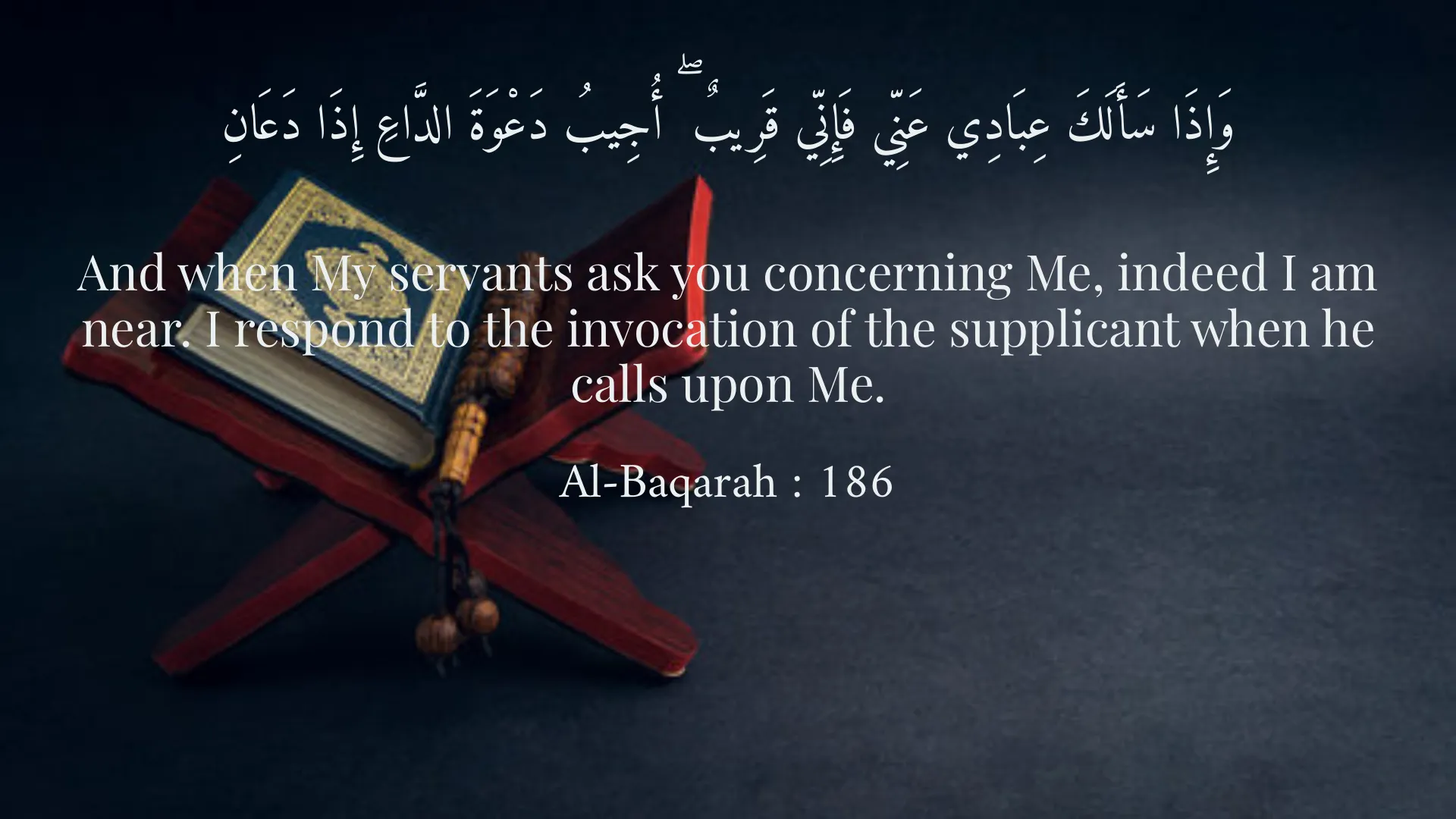
In the Holy Quran, the concept of communicating with Allah is profound and multifaceted, encompassing the emotional tapestry of human experience. While the Quran does not specifically mention the act of complaining to God, it acknowledges the deep-seated emotions and struggles that believers face. The verses provide a framework through which individuals can channel their feelings and distresses into prayers and supplications, emphasizing an intimate connection with the Divine. The communication with God is not merely a ritualistic practice but an essential aspect of the believer's journey towards spiritual fulfillment and solace in the face of life’s challenges. One of the pivotal verses that shed light on this close relationship between Allah and His servants is found in Surah Al-Baqarah. In verse 186, Allah proclaims: 'And when My servants ask you concerning Me, indeed I am near. I respond to the invocation of the supplicant when he calls upon Me.' This notable verse emphasizes the nearness of Allah to His believers, highlighting that He is always accessible to listen to their pleas and concerns. The assertion of being 'near' to His servants is not just a promise of companionship; it signifies Allah's readiness to respond to the calls of those who seek His help. This verse serves as a powerful reminder that believers can express their troubles to Allah without the fear of judgment or rejection. Moreover, Allah encourages His believers to reach out to Him with their hearts wide open. This dialogue is not limited to formalized prayers or structured supplications; rather, it extends to a candid expression of personal feelings and experiences. When someone is distressed, they have the option to verbalize their pain, confusion, or anger through prayer, framing their feelings as a request for comfort and guidance. Instead of viewing such expressions as complaints, they can be understood as an integral part of a relationship grounded in sincerity and dependence on the Creator. Additionally, in Surah Az-Zumar, verse 53, Allah invites His faithful servants to seek His closeness and to not despair of His mercy: 'Say, O My servants who have believed, fear your Lord. For those who do good in this world is good, and the earth of Allah is spacious. Indeed, the patient will be given their reward without account.' This invitation reiterates the importance of trust and hope. It instills in believers the notion that even amid adversity, patience and the pursuit of goodness will yield divine rewards. The counsel to not despair indicates that feelings of hopelessness should be redirected into a firm belief in Allah’s mercy and grace. These verses collectively highlight an essential spiritual principle: while it is entirely human to feel distressed or overwhelmed, it is imperative that such feelings transform into requests rather than complaints. The act of praying transforms despair into a call for strength, illumination, and fortitude. Complaining, when framed in the context of prayer, becomes a form of deepened supplication guided by the faith that Allah is listening and will respond in accordance with His wisdom and timing. This understanding can be particularly significant during times of personal hardship. Many believers struggle with feelings of isolation and confusion during trials, whether they be loss, illness, or personal struggles. The teachings of the Quran suggest that God welcomes all feelings, even those of frustration and sadness, allowing for a therapeutic outlet in prayer. This acknowledgment of human emotion becomes vital in facilitating a healthy relationship with God, where believers feel unburdened to express their struggles and seek solace. Moreover, Allah’s closeness is an essential framework that reassures believers that their voices will not go unheard. The resonance of the verse reinforces the notion that every invocation is cherished and will be met with divine attention. It bridges the gap between the earthly struggles experienced in daily life and the celestial support offered by the Creator. Furthermore, the verses point towards the broader theme of patience as an essential virtue. Patience becomes a vehicle through which trials can be navigated, transforming moments of despair into opportunities for growth and closeness to Allah. The remnant message is that patience is rewarded without account, serving as a comforting reminder that spiritual trials are a pathway to deeper understanding and relationship with God. By exhibiting patience, believers are cultivating resilience, which is crucial in enduring the tests of life. In conclusion, while the Quran may not explicitly address the act of complaint, it indeed invites believers to openly express their feelings and struggles in the format of prayer. The verses of Surah Al-Baqarah and Surah Az-Zumar emphasize the nearness of Allah and His willingness to listen and respond to the supplications of His servants. They encourage believers to transform their complaints into earnest requests for support, guidance, and mercy. By embracing this divine closeness and practicing patience, Muslims can nurture their faith, seek solace in prayer, and cultivate a meaningful relationship with God that navigates the complexities of human emotions and life’s challenges.
Related Verses
وَإِذَا سَأَلَكَ عِبَادِي عَنِّي فَإِنِّي قَرِيبٌ ۖ أُجِيبُ دَعْوَةَ الدَّاعِ إِذَا دَعَانِ
And when My servants ask you concerning Me, indeed I am near. I respond to the invocation of the supplicant when he calls upon Me.
Al-Baqarah : 186
قُلْ يَا عِبَادِي الَّذِينَ آمَنتُمْ اتَّقُوا رَبَّكُمْ لِلَّذِينَ أَحْسَنُوا فِي هَذِهِ الدُّنْيَا حَسَنَةً وَأَرْضُ اللَّهِ وَاسِعَةٌ ۚ إِنَّمَا يُوَفَّى الصَّابِرُونَ أَجْرَهُمْ بِغَيْرِ حِسَابٍ
Say, O My servants who have believed, fear your Lord. For those who do good in this world is good, and the earth of Allah is spacious. Indeed, the patient will be given their reward without account.
Az-Zumar : 53
Short Story
Once upon a time, a man named Ali was complaining about his life. He felt that no one understood him. He thought, 'Why should I suffer so much?' But when he came to himself, he realized he could restore peace in his life by praying and asking God for help. He found himself complaining and praying at the same time, but decided that he would always ask Allah and draw closer to Him.