Quranic Answer
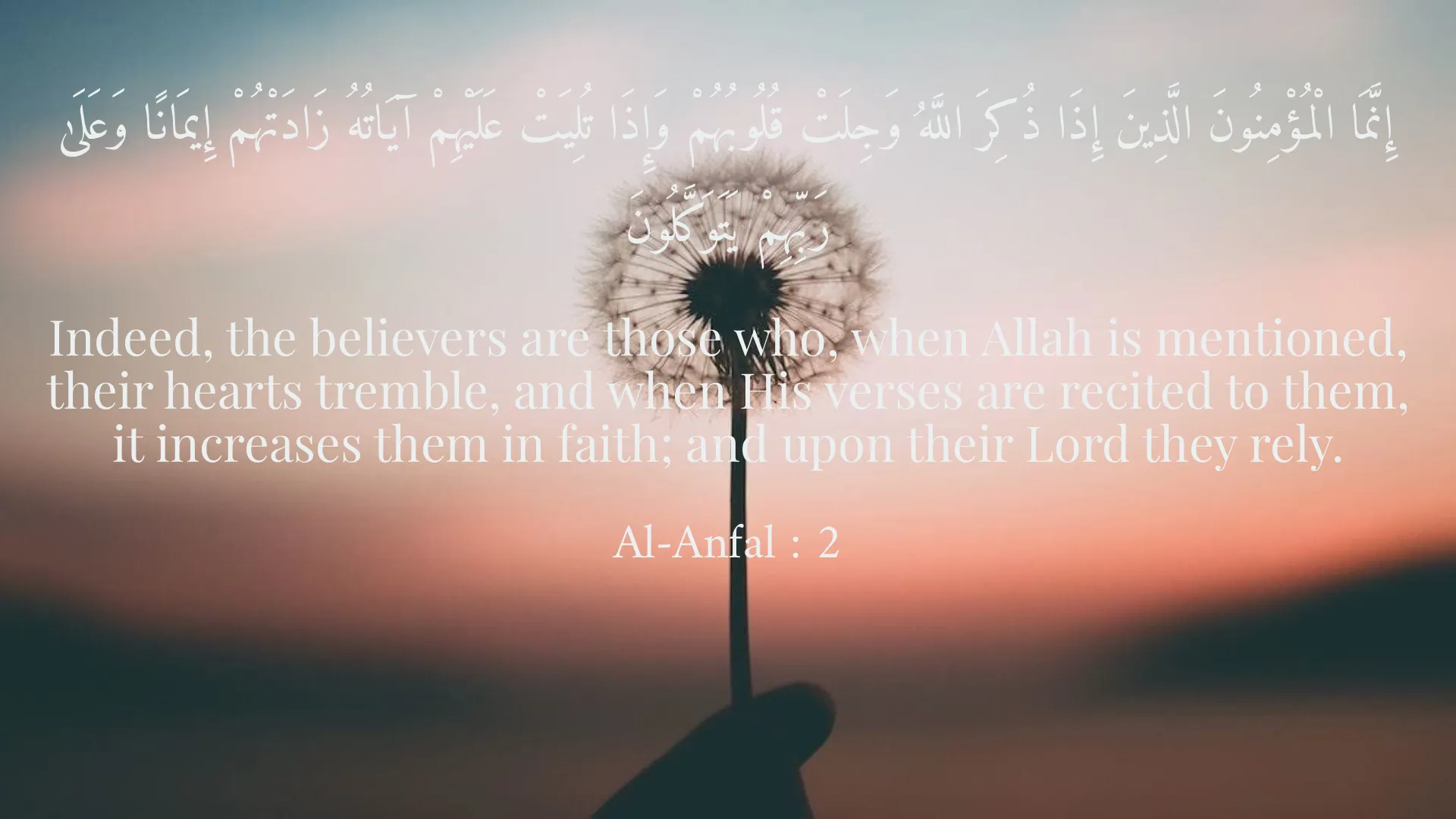
In the rich tapestry of Islamic teachings, religious acts are categorized into various types, each with its own significance. Among these are 'wajib' or 'fard' (obligatory) acts, which are essential for every Muslim to perform, and their omission is considered a sin, such as the five daily prayers or fasting in Ramadan. In contrast, 'mustahab' or 'nafilah' (recommended/supererogatory) acts are those whose performance brings reward, but their omission does not entail sin. Examples include voluntary prayers (nawafil), optional fasting, secret charity, or extended remembrance (dhikr) and recitation of the Quran beyond what is obligatory. The question then arises: can the abandonment of these recommended acts lead to a weakening of faith? Answering this requires a deep understanding of the nature of faith and the role of deeds in its strengthening. Faith (Iman) in the Islamic worldview is not a static or fixed entity; rather, it is a dynamic and living state that is capable of increase and decrease. The Holy Quran repeatedly emphasizes this dynamism of faith. In Surah Al-Anfal, verse 2, Allah states: “Indeed, the believers are those who, when Allah is mentioned, their hearts tremble, and when His verses are recited to them, it increases them in faith; and upon their Lord they rely.” This verse clearly indicates that faith increases with the remembrance of Allah and the recitation of His verses. Therefore, any act that aids in the remembrance of Allah and draws one closer to Him has the potential to strengthen faith. Recommended acts are, in essence, golden opportunities for this very growth and flourishing of faith. They not only compensate for any potential deficiencies in the performance of obligatory duties but also serve as a bridge to higher spiritual ranks and closer proximity to Allah. The primary purpose of mustahabbat is the purification of the soul (tazkiyah), strengthening the heartfelt connection with the Creator, and achieving the station of 'Ihsan' (perfection in worship). Ihsan is that state where a person worships Allah as if they see Him, and if they cannot see Him, they know that He sees them. This depth of connection and spiritual awareness cannot be achieved without consistent devotion and good deeds (both obligatory and recommended). Abandoning recommended acts, by itself, does not incur sin or take an individual out of the fold of faith. However, what happens is the loss of countless opportunities to nourish the soul and fortify spiritual foundations. Faith is like a tree that grows and bears fruit with consistent watering and proper fertilization. Obligatory acts are like the essential watering that keeps the tree alive, but recommended acts are akin to fertilizer, pruning, and additional care that make the tree stronger, more fruitful, and more beautiful. If one only suffices with minimal watering, the tree might not die, but it will never reach its full potential for growth and yield. When an individual consistently neglects recommended acts out of apathy or indifference, this can signify a certain spiritual lethargy or stagnation. This gradual abandonment can slowly diminish the initial zeal and warmth of faith, depriving the soul of freshness and vitality. Gradually, the heart may find less tranquility in the remembrance of Allah, and the connection with the source of existence might become fainter. In Surah Ar-Ra'd, verse 28, we read: “Those who have believed and whose hearts are assured by the remembrance of Allah. Unquestionably, by the remembrance of Allah hearts are assured.” If a person becomes heedless of performing recommended acts that strengthen their remembrance of Allah, this inner peace and assurance may also diminish, consequently weakening their faith. Furthermore, recommended acts play a crucial role in establishing spiritual discipline and strengthening willpower. Someone who rises for the night prayer or observes voluntary fasts is essentially challenging themselves and elevating their spiritual capabilities. Neglecting these challenges can, over time, lead to a weakening of resolve in the path of good and falling prey to worldly temptations. This weakness, although not directly destroying faith, can make it more vulnerable and less resilient against the waves of doubt and sin. In conclusion, abandoning recommended acts does not equate to sin or departure from faith. However, it unequivocally hinders its growth and strengthening, depriving the individual of immense rewards and elevated spiritual ranks. An active and thriving faith constantly seeks opportunities to draw closer to Allah and perform deeds that are beloved to Him. These recommended acts are manifestations of the servant's love and yearning for their Creator, and abandoning them, even if not dangerous in terms of sin, means losing a precious opportunity for spiritual cultivation and reaching the pinnacle of spiritual perfection. Therefore, it can be said that while neglecting recommended acts may not directly weaken faith, it closes the path to its strengthening and elevation, potentially leading to gradual stagnation and lifelessness in the realm of faith.
Related Verses
إِنَّمَا الْمُؤْمِنُونَ الَّذِينَ إِذَا ذُكِرَ اللَّهُ وَجِلَتْ قُلُوبُهُمْ وَإِذَا تُلِيَتْ عَلَيْهِمْ آيَاتُهُ زَادَتْهُمْ إِيمَانًا وَعَلَىٰ رَبِّهِمْ يَتَوَكَّلُونَ
Indeed, the believers are those who, when Allah is mentioned, their hearts tremble, and when His verses are recited to them, it increases them in faith; and upon their Lord they rely.
Al-Anfal : 2
الَّذِينَ آمَنُوا وَتَطْمَئِنُّ قُلُوبُهُم بِذِكْرِ اللَّهِ ۗ أَلَا بِذِكْرِ اللَّهِ تَطْمَئِنُّ الْقُلُوبُ
Those who have believed and whose hearts are assured by the remembrance of Allah. Unquestionably, by the remembrance of Allah hearts are assured.
Ar-Ra'd : 28
وَأَنفِقُوا فِي سَبِيلِ اللَّهِ وَلَا تُلْقُوا بِأَيْدِيكُمْ إِلَى التَّهْلُكَةِ ۛ وَأَحْسِنُوا ۛ إِنَّ اللَّهَ يُحِبُّ الْمُحْسِنِينَ
And spend in the way of Allah and do not throw [yourselves] with your [own] hands into destruction [by refraining]. And do good; indeed, Allah loves the doers of good.
Al-Baqarah : 195
Short Story
It is narrated that in olden times, two dervishes lived as neighbors in a monastery. One of them would suffice with only the obligatory acts, saying, 'God is Merciful, and it is enough that I perform what is incumbent upon me.' The other, however, in addition to the obligatory acts, would spend a good part of the night in prayer, remembrance (dhikr), and recitation, saying, 'Those who wish to excel in goodness must strive beyond their mere duties to reach the station of Ihsan (perfection in worship).' Time passed. The first dervish always rested easily and slept soundly. But the second dervish, despite his weariness, was filled with the light of spiritual knowledge and inner peace. One day, he was asked, 'Why do you exert yourself so much, while your companion bears no such burden?' The dervish replied, 'One who merely suffices with obligations is like a person who only earns his daily bread and deprives himself of the heavenly feasts. But one who also performs recommended acts, his heart is awake with remembrance, and his soul is connected to the Divine Light. The difference lies in this: one builds his house just enough for shelter, while the other adorns it with gardens, orchards, and springs. Although building the house is obligatory, it is the freshness of the garden that brings life to the soul.' Thus, those who in the path of truth only do the minimum, deprive themselves of many spiritual delights, and their souls remain unquenched, even if they do not fall into hellfire. But those whose hearts are dedicated to recommended acts, they draw a step closer to their Lord each day, tasting the sweet communion with Him, and their faith becomes stronger and more beautiful.