Quranic Answer
Yes, indeed, the process of distancing oneself from spirituality and faith in a person's life is almost always a gradual one, rather than a sudden, revolutionary shift occurring overnight. The Holy Quran offers profound insights into this phenomenon, illustrating how the heart can drift away from the remembrance of Allah and obedience to Him step by step, until an individual finds themselves in a state of spiritual estrangement, often without acutely perceiving the initial subtle shifts. This gradual process can be likened to dust slowly accumulating on a mirror, gradually obscuring its brilliance, or rust progressively forming on metal, causing it to lose its essence. One of the most prominent Quranic concepts indicating this gradual progression is the warning against "the footsteps of Satan." Allah states in Surah Al-Baqarah: "O mankind, eat from whatever is on earth [that is] lawful and good, and do not follow the footsteps of Satan. Indeed, he is to you a clear enemy" (Al-Baqarah: 168). In another verse, "O you who have believed, enter into Islam completely and do not follow the footsteps of Satan. Indeed, he is to you a clear enemy" (Al-Baqarah: 208). The term "footsteps" implies that Satan does not lead a person to major deviation all at once; rather, he tempts with small, alluring steps. These steps might begin with beautifying a minor sin, procrastination in acts of worship, or negligence in optional good deeds. These small steps then evolve into larger transgressions, until the person finds themselves far from the path of truth, often without fully realizing the extent of their spiritual decline until it is too late. For instance, one might start by slightly delaying prayers, then abandoning Sunnah prayers, then delaying obligatory prayers, until they gradually lose the sweetness of prayer and eventually abandon it. This gradual descent into following desires and moving away from faith is precisely what the Quran warns against. The Quran also describes the process of "hardening of hearts" as a consequence of gradually moving away from the remembrance of Allah and divine signs. Allah says: "So for their breaking of the covenant We cursed them and made their hearts hard" (Al-Ma'idah: 13). The hardening of the heart is not an instantaneous event; rather, it is the result of accumulating sins, neglecting Allah's signs in the universe and within oneself, and repeatedly failing to respond to advice and admonitions. A person who persistently commits sins without repentance, or repeatedly ignores calls to truth, will find their heart gradually becoming rigid. Their soul loses its sensitivity to goodness and divine light. It becomes difficult for them to be affected by sermons or to feel humility during Quran recitation. This hardness is a clear sign of growing spiritual distance. Furthermore, the Quran indicates that forgetting Allah or turning away from His remembrance is a primary cause of gradual spiritual decline. "And whoever turns away from My remembrance – indeed, he will have a depressed life, and We will gather him on the Day of Resurrection blind" (Ta-Ha: 124). Remembrance (dhikr) is the spiritual nourishment that sustains the soul and keeps it vibrant. When a person ceases to remember Allah, their heart becomes prone to dryness and atrophy. Their attention becomes scattered among the fleeting adornments of this world, and they forget the true purpose of their existence. This forgetfulness does not happen suddenly; rather, it infiltrates the soul gradually with every moment a person spends away from contemplating their Creator and fulfilling His commands. Preoccupation with worldly matters and materialism becomes the sole focus, pushing spirituality to the back of one's concerns. The accumulation of sins, even minor ones, also contributes significantly to this gradual detachment. The Prophet Muhammad (peace be upon him) likened the sins committed by a servant to black dots that accumulate on the heart until it becomes entirely darkened. Each sin is a black dot, and each dot adds to the previous one. If the servant does not repent, these dots accumulate until the heart is completely covered. This concept aligns with Allah's saying in Surah Al-Mutaffifin: "No! Rather, that which they used to earn has covered their hearts" (Al-Mutaffifin: 14). "Ran" refers to the rust that covers the heart, obscuring the light of faith and knowledge. This rust does not form all at once; instead, it is a consequence of repeated misdeeds, laziness in performing acts of worship, and persistence in sin. Therefore, maintaining spirituality and faith requires constant vigilance and continuous striving. A Muslim must be wary of those small steps that initially appear harmless and strive to purify their heart through repentance, seeking forgiveness, and returning to the remembrance of Allah whenever they feel a sense of distance. Daily behaviors, whether small or large, have a cumulative impact on a person's spiritual state. It might begin with a slight distraction from worship, or postponing Quran reading, or preferring comfort over congregational prayer. These accumulations then evolve into thick barriers between the servant and their Lord. Spirituality is not a treasure gained once and then kept without care; rather, it is a plant that needs continuous watering and nurturing so that it does not wither and dry out gradually. Yielding to desires, neglecting duties, and staying away from gatherings of knowledge and remembrance are all factors that lead to a slow and gradual departure from the light of guidance and faith.
Related Verses
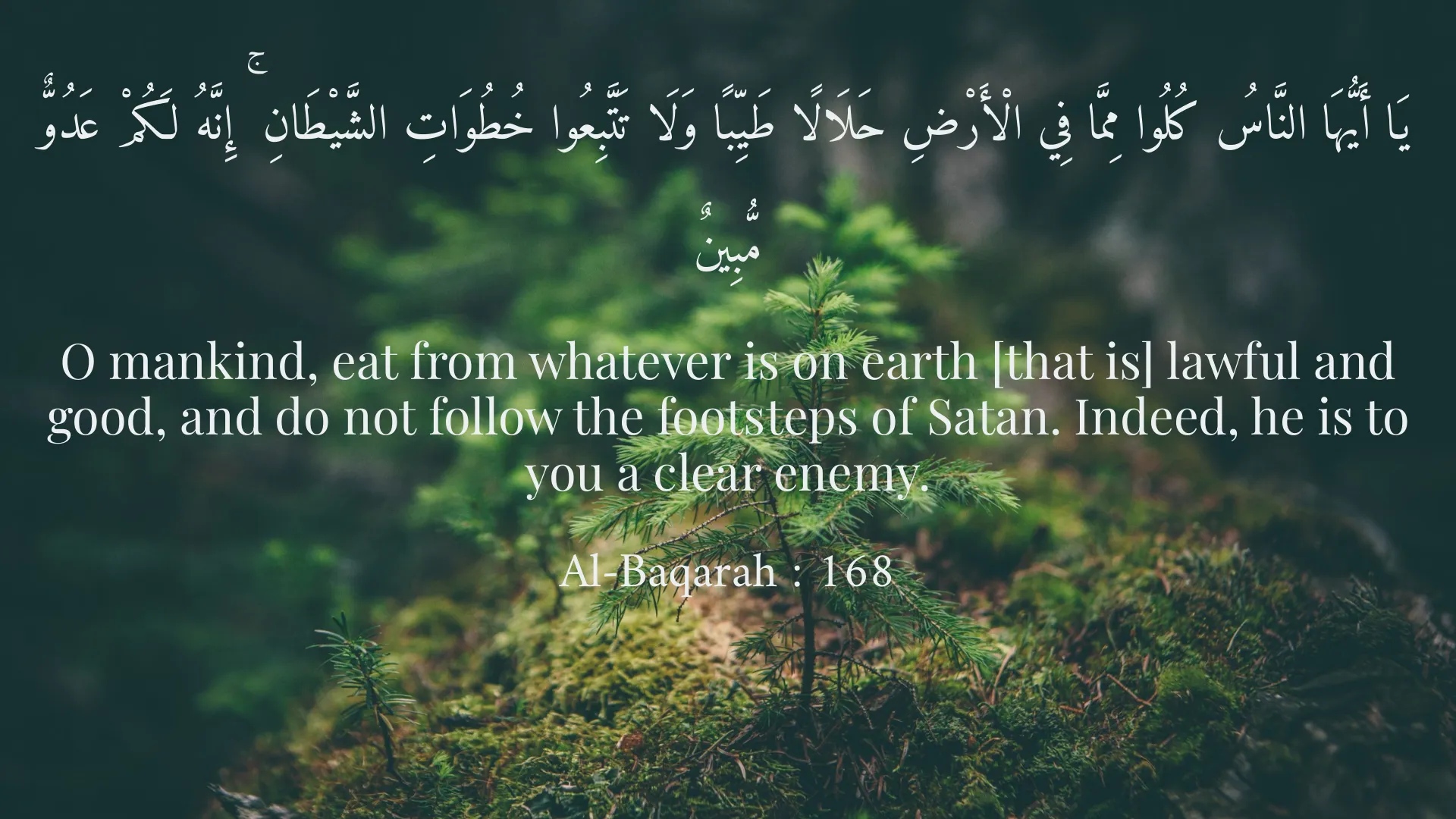
يَا أَيُّهَا النَّاسُ كُلُوا مِمَّا فِي الْأَرْضِ حَلَالًا طَيِّبًا وَلَا تَتَّبِعُوا خُطُوَاتِ الشَّيْطَانِ ۚ إِنَّهُ لَكُمْ عَدُوٌّ مُّبِينٌ
O mankind, eat from whatever is on earth [that is] lawful and good, and do not follow the footsteps of Satan. Indeed, he is to you a clear enemy.
Al-Baqarah : 168
فَبِمَا نَقْضِهِم مِّيثَاقَهُمْ لَعَنَّاهُمْ وَجَعَلْنَا قُلُوبَهُمْ قَاسِيَةً ۖ يُحَرِّفُونَ الْكَلِمَ عَن مَّوَاضِعِهِ ۙ وَنَسُوا حَظًّا مِّمَّا ذُكِّرُوا بِهِ ۚ وَلَا تَزَالُ تَطَّلِعُ عَلَىٰ خَائِنَةٍ مِّنْهُمْ إِلَّا قَلِيلًا مِّنْهُمْ ۖ فَاعْفُ عَنْهُمْ وَاصْفَحْ ۚ إِنَّ اللَّهَ يُحِبُّ الْمُحْسِنِينَ
So for their breaking of the covenant We cursed them and made their hearts hard. They distort words from their [proper] usages and have forgotten a portion of that by which they were reminded. And you will still observe deceit from them, except a few of them. So pardon them and overlook [their misdeeds]. Indeed, Allah loves the doers of good.
Al-Ma'idah : 13
وَمَنْ أَعْرَضَ عَن ذِكْرِي فَإِنَّ لَهُ مَعِيشَةً ضَنكًا وَنَحْشُرُهُ يَوْمَ الْقِيَامَةِ أَعْمَىٰ
And whoever turns away from My remembrance – indeed, he will have a depressed life, and We will gather him on the Day of Resurrection blind.
Ta-Ha : 124
كَلَّا بَلْ رَانَ عَلَىٰ قُلُوبِهِم مَّا كَانُوا يَكْسِبُونَ
No! Rather, that which they used to earn has covered their hearts.
Al-Mutaffifin : 14
Short Story
In Saadi's Bustan, it is narrated that a king had a wise advisor. The king had a habit of reading a few words from a book of wisdom every night before sleep. One day, his advisor said to him: "O King, know that drops of rain, though small, if they fall continuously, create a mighty flood. And mighty trees, if they are gradually estranged from their roots, one day fall with a strong wind." The king asked: "What do you mean?" The advisor replied: "If you diminish your spiritual duties by even a little each day, or become heedless of God for a moment, these small neglects, like raindrops, accumulate and eventually break the dam of your spirituality. And your faith, like that tree, gradually weakens until it crumbles with the slightest worldly storm." The king took heed of this wisdom and never neglected caring for his soul, for he knew that distancing oneself from truth begins step by step and slowly.