Quranic Answer
The Holy Quran, as a divine guide, is replete with teachings that pay special attention not only to the physical and spiritual dimensions but also to human mental well-being, especially when confronting difficult and challenging life circumstances. From the Quranic perspective, mental health is intimately linked to faith, one's relationship with God, and how one copes with adversity. This divine book offers fundamental and profound strategies for maintaining inner peace and balance, even in the midst of extreme difficulties, which are worth contemplating and practicing for every human being, regardless of their background. One of the most crucial Quranic concepts in this regard is "Sabr" (patience and perseverance). Sabr in the Quran is not merely passive endurance; rather, it signifies active resilience, steadfastness, and self-restraint in the face of problems and calamities. God repeatedly emphasizes the importance of patience in numerous verses, considering it a key to breakthroughs and His divine companionship. In Surah Al-Baqarah, verse 153, it states: "O you who have believed, seek help through patience and prayer. Indeed, Allah is with the patient." This verse clearly indicates that patience and prayer are two main pillars for overcoming difficulties and maintaining mental health. Patience bestows resilience upon a person, and prayer provides a direct connection to an infinite source of tranquility. Furthermore, the Quran emphasizes the "remembrance of God" (Dhikr Allah) as the primary source of tranquility for hearts. In Surah Ar-Ra'd, verse 28, it is mentioned: "Those who have believed and whose hearts are assured by the remembrance of Allah. Unquestionably, by the remembrance of Allah hearts are assured." This verse conveys a decisive and universal message: in a tumultuous and stress-filled world, the true anchor for peace is the continuous remembrance of God. This remembrance can take place through reciting the Quran, performing Dhikr (supplication and glorification), and meditating on divine majesty. The continuation of Dhikr and attention to God acts as an anchor that prevents the ship of human existence from sinking in the storms of life. Another concept that is extremely vital for mental well-being in difficult situations is "Tawakkul" (reliance on God). Tawakkul means striving optimally from a human perspective and then entrusting the outcomes to God. This trust in divine power and wisdom removes the heavy burden of worries and anxieties stemming from uncertainties. When an individual comes to believe that nothing is outside of God's will and planning, and that God is the best planner, they will not fall into deep despair and hopelessness even in the face of setbacks and failures. This perspective helps a person to keep the light of hope alive in their heart under all circumstances, knowing that after every hardship, there will be ease. "For indeed, with hardship [will be] ease. Indeed, with hardship [will be] ease" in Surah Al-Sharh, verses 5 and 6, explicitly states this divine promise, assuring humanity that no difficulty is permanent. The Quran also emphasizes not to "despair of Allah's mercy." Despair and hopelessness are considered major sins because they indicate a lack of proper understanding of God's infinite power and forgiveness. In Surah Yusuf, verse 87, Prophet Jacob tells his sons: "And do not despair of the relief of Allah. Indeed, no one despairs of relief from Allah except the disbelieving people." This verse carries a firm message against deep depression and anxiety; there is always a way back and a breakthrough from God. Moreover, the Quran transforms a person's perspective on trials and hardships. It considers worldly life a testing ground and calamities as means for human growth, purification, and spiritual elevation. In Surah Al-Ankabut, verse 2, it states: "Do people think that they will be left alone because they say, 'We believe,' and will not be tested?" This understanding that problems are an inseparable part of the path to growth helps an individual face them with a more realistic and resilient outlook. Finally, the Quran also points to the importance of "forgiveness and pardoning," "gratitude," and "serving humanity," all of which indirectly positively impact mental well-being. Forgiveness removes the heavy burden of resentment and animosity from the heart. Gratitude, even in situations of scarcity, shifts one's perspective towards existing blessings and increases a sense of contentment. Serving others strengthens a sense of purpose and worth, diverting one's focus from their own problems. These Quranic teachings, collectively, provide a comprehensive and powerful framework for psychological resilience and maintaining peace in the face of life's challenges, demonstrating that mental health is contingent upon a deep connection with the Creator and intelligent acceptance of divine providence.
Related Verses
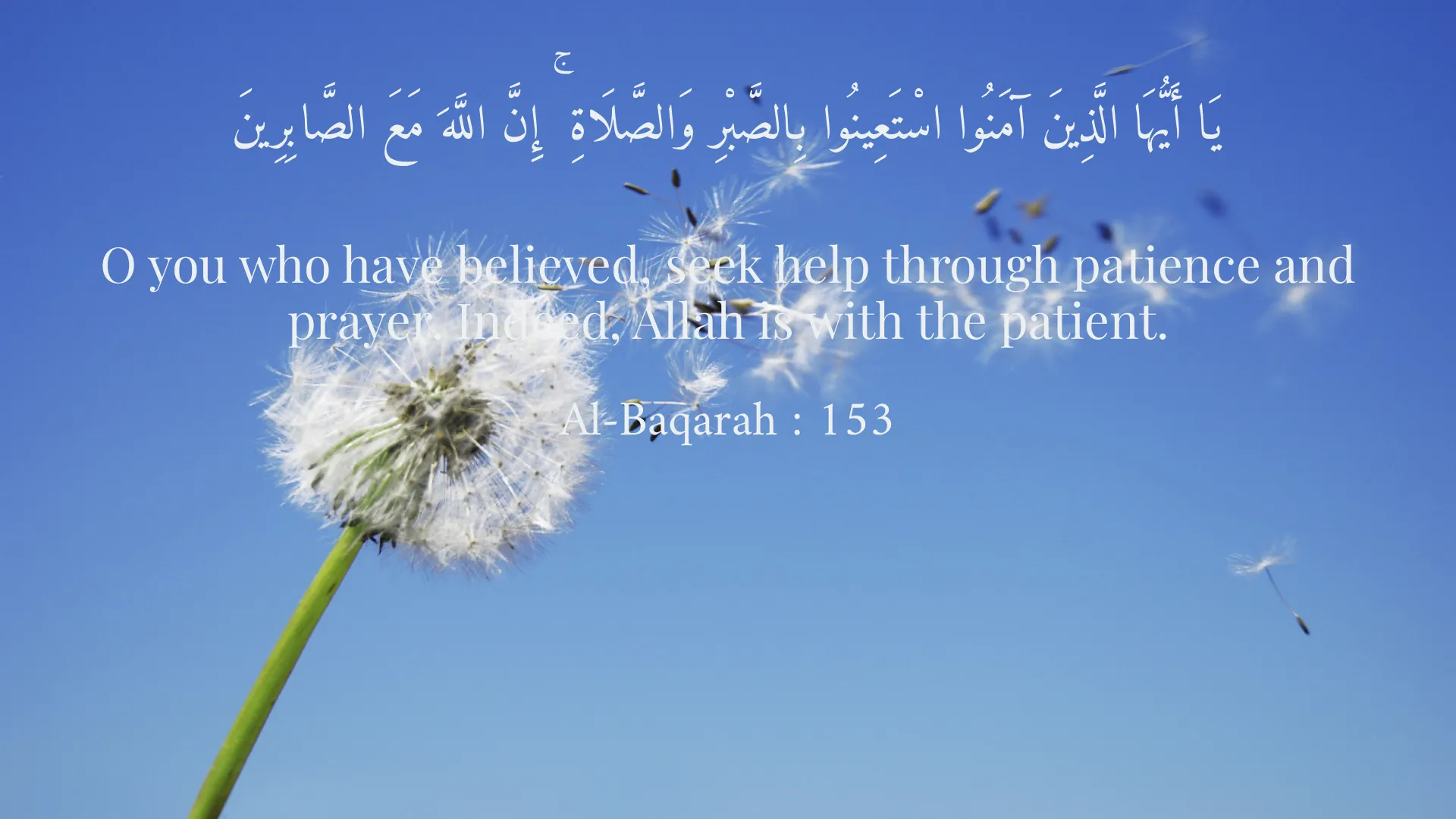
يَا أَيُّهَا الَّذِينَ آمَنُوا اسْتَعِينُوا بِالصَّبْرِ وَالصَّلَاةِ ۚ إِنَّ اللَّهَ مَعَ الصَّابِرِينَ
O you who have believed, seek help through patience and prayer. Indeed, Allah is with the patient.
Al-Baqarah : 153
الَّذِينَ آمَنُوا وَتَطْمَئِنُّ قُلُوبُهُم بِذِكْرِ اللَّهِ ۗ أَلَا بِذِكْرِ اللَّهِ تَطْمَئِنُّ الْقُلُوبُ
Those who have believed and whose hearts are assured by the remembrance of Allah. Unquestionably, by the remembrance of Allah hearts are assured.
Ar-Ra'd : 28
فَإِنَّ مَعَ الْعُسْرِ یُسْرًا
For indeed, with hardship [will be] ease.
Ash-Sharh : 5
إِنَّ مَعَ الْعُسْرِ یُسْرًا
Indeed, with hardship [will be] ease.
Ash-Sharh : 6
Short Story
It is narrated in Sa'di's Gulistan that a dervish fell ill and became very weak. Physicians despaired of his recovery. One of his friends came to visit him and saw that despite great pain and suffering, the dervish did not complain and there was a noticeable tranquility on his face. His friend asked, "How do you bear this condition and have such peace?" The dervish smiled and said, "On the day God created me and destined my sustenance, He also destined pain and illness alongside it. I am a servant of that God who is wise not only in bestowing blessings but also in ordaining calamities. How can I feel anything but contentment with what He has willed? This peace comes from submission to divine destiny and knowing that He never abandons His servant." This story reminds us that when we surrender our hearts to God, even in the most difficult circumstances, we find a peace and tranquility that no physician can prescribe.