Quranic Answer
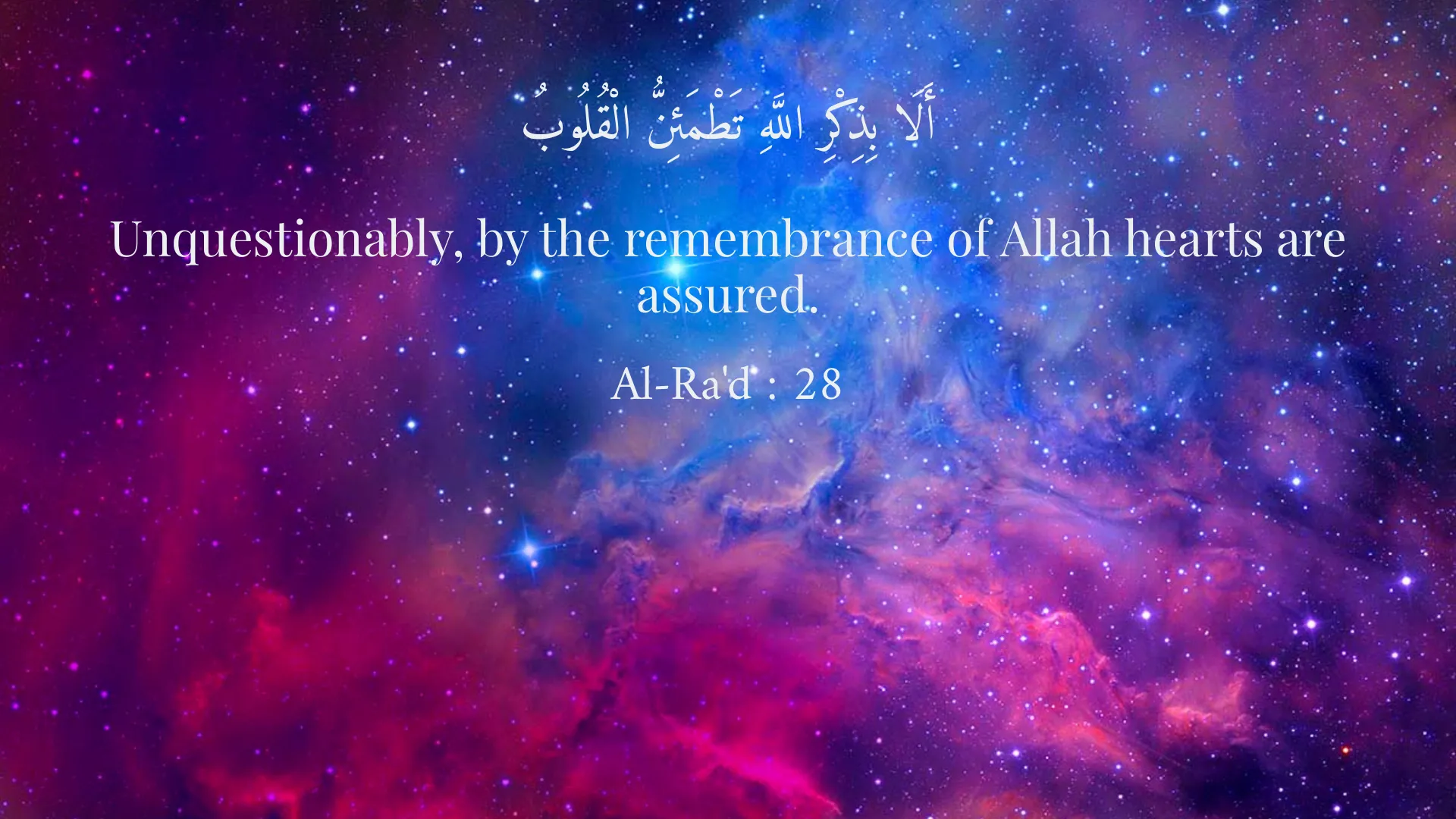
The Holy Quran serves as a profound spiritual guide for millions around the world, offering solace and direction in turbulent times. In an age where mental health issues such as anxiety and depression are increasingly recognized, the teachings of the Quran provide not just comfort, but also practical methods to counter negative thoughts and feelings of despair. This article delves into how the Quran addresses the human condition, emphasizing reliance on Allah, engagement in good deeds, and the importance of remembrance and prayer in fostering psychological well-being. At the heart of the Quran's teachings is the concept of Tawakkul, or placing one's trust in Allah. This fundamental principle encourages believers to surrender their worries to God and to seek peace through worship and good deeds. In Surah Al-Ra'd, verse 28, the Quran states, 'Unquestionably, by the remembrance of Allah hearts are assured.' This pivotal verse highlights the idea that maintaining a close relationship with God through remembrance and worship serves as a remedy for anxiety and depressive feelings. The assurance that comes from remembering Allah provides a sense of calm and stability, suggesting that spiritual engagement is vital for emotional well-being. The Quran’s teachings on remembrance are not merely abstract notions but rather practical spiritual practices. Engaging in regular prayer (Salah) and dhikr, the remembrance of God, can play a critical role in alleviating feelings of stress and despair. Surah Al-Baqarah, verse 153 reinforces this notion, stating, 'O you who have believed, seek help through patience and prayer. Indeed, Allah is with the patient.' Here, the connection is made between patience, prayer, and divine assistance. This verse implies that while life is fraught with challenges and hardships, one’s faith and dedication can serve as powerful tools in navigating through them. The act of praying encourages mindfulness and reflection, enabling individuals to reset their emotional state and find peace in the moment. Furthermore, the Quran presents a myriad of stories featuring prophets and faithful characters who faced despair with resilience, demonstrating the efficacy of faith in overcoming life's challenges. For instance, the story of Prophet Ayyub (Job) exemplifies unwavering faith during prolonged suffering. His patience and reliance on Allah during his trials serve as a testament to the power of faith in addressing despair. These narratives provide profound lessons in perseverance, highlighting that in the face of overwhelming difficulties, turning to Allah is essential. Such stories inspire believers to maintain hope and trust in God’s wisdom and mercy, despite the challenges they may face. The act of worship and remembering Allah is not limited to formal prayers; it extends to everyday actions. Engaging in good deeds, whether through charity, community service, or acts of kindness, can significantly enhance one’s mental health. The Quran encourages Muslims to care for others and improve their communities, fostering a sense of belonging and purpose. When individuals engage in acts that serve others, they often experience a boost in mood and a reduction in feelings of isolation or hopelessness. This reciprocal relationship between personal well-being and community engagement is fundamental to the teachings of Islam. Moreover, the Quran stresses the importance of positive thinking and avoiding negative thoughts. The reminder to maintain a positive outlook not only uplifts one’s spirit but also fosters emotional resilience. Through the lenses of faith and trust in Allah, believers are reminded that every hardship is a test and an opportunity for growth. Such perspectives are instrumental in reshaping one’s mental landscape, allowing for a more optimistic and hopeful approach to life’s tribulations. One cannot overlook the significance of seeking support from the community and family, as emphasized in Islamic teachings. The Quran encourages believers to foster strong bonds within their communities, as emotional support from family and friends is invaluable during tough times. This sense of community creates a support network that reinforces the belief that individuals are not alone in their struggles. The collective strength of community can provide comfort and a sense of shared experiences in facing life's challenges. The teachings of the Quran advocate for a holistic approach to mental well-being, incorporating spiritual, psychological, and social dimensions. It underscores the importance of engaging with one’s faith deeply, as well as nurturing relationships within the community. Each aspect works harmoniously to enable individuals to combat feelings of depression and despair effectively. In a world that often feels overwhelming and unpredictable, the teachings of the Quran resonate with timeless wisdom and guidance. By adhering to the principles of faith, remembrance, prayer, and community support, individuals are empowered to navigate the complexities of life with a renewed sense of hope and purpose. The Quran reassures the faithful that through the journey of life, they are never alone, but rather accompanied by the unyielding support of Allah. This integration of spiritual reliance and practical steps not only nurtures the soul but also fosters mental health, emphasizing the importance of faith in overcoming adversity. In conclusion, the Holy Quran provides invaluable resources for those struggling with negative thoughts and feelings of depression. By emphasizing reliance on Allah through prayer, remembrance, patience, and good deeds, it offers believers practical methods to attain inner peace. The narratives of the faithful within its verses serve as powerful reminders that even in the face of despair, turning towards Allah brings hope and reassurance. As individuals embrace these teachings, they can find solace in the knowledge that they are supported by divine wisdom and the strength of their community.
Related Verses
أَلَا بِذِكْرِ اللَّهِ تَطْمَئِنُّ الْقُلُوبُ
Unquestionably, by the remembrance of Allah hearts are assured.
Al-Ra'd : 28
يَٰٓأَيُّهَا الَّذِينَ آمَنُوا اسْتَعِينُوا بِالصَّبْرِ وَالصَّلَاةِ ۚ إِنَّ اللَّهَ مَعَ الصَّابِرِينَ
O you who have believed, seek help through patience and prayer. Indeed, Allah is with the patient.
Al-Baqarah : 153
Short Story
One day, a young man named Amir felt that his life had come to a dead end, and he was suffering from depression. He decided to seek the help of a religious scholar. The scholar advised him to dedicate time each day to the remembrance of God and to engage in prayer and supplication. Amir began doing this and soon felt much better, realizing that true peace lies with God.