Quranic Answer
The concept of the Day of Judgment often brings forth questions and concerns for many individuals. How can we prepare for that momentous day without being trapped by paralyzing worries? This is a fundamental question, and its answer can be found in the profound guidance of the Holy Quran. The Quran presents a balanced approach between fear (khawf) and hope (raja') in relation to Allah Almighty; an approach that guides humanity towards righteous deeds and true reliance on God, not towards despair or indifference. The first step to alleviate worry and enhance preparedness is to correctly understand the nature of the Day of Judgment. The Quran teaches us that Judgment Day is a day of absolute justice and boundless divine mercy. Allah, the Just, never wrongs anyone, and everyone will see the results of their deeds. As stated in Surah Al-Zalzalah (verses 7-8): "So whoever does an atom's weight of good will see it, And whoever does an atom's weight of evil will see it." These verses assure us that our deeds, no matter how small, are not overlooked, and complete justice will be established. This understanding alone can dispel some worries, as we come to realize that the system governing the Day of Judgment is one of wisdom and justice, not randomness or caprice. For preparation, the Quran strongly emphasizes the centrality of faith (Iman) and righteous deeds (Amal Salih). Preparing for the Day of Judgment is essentially living a life of piety (taqwa) and moving along the path of servitude to Allah. This preparedness means fulfilling divine obligations such as prayer (salat), fasting (sawm), charity (zakat), and pilgrimage (Hajj), as well as respecting the rights of others (Huquq al-Nas). In Surah Al-Baqarah (verse 277), Allah says: "Indeed, those who have believed and done righteous deeds and established prayer and given zakah - they will have their reward with their Lord, and no fear will be upon them, nor will they grieve." This verse explicitly states that faith and righteous deeds are the key to freedom from fear and grief on the Day of Judgment. Therefore, the more our lives align with these Quranic principles, the less our worries will be. Reliance on Allah (Tawakkul) also plays a crucial role in reducing worry. Tawakkul does not mean abandoning effort; rather, it means exerting maximum effort and then entrusting the outcome to Allah. When an individual strives their utmost to live a righteous life and perform good deeds, there is no room left for paralyzing worries, because they know that Allah is the Most Merciful of the merciful and does not waste the reward of those who do good. In Surah At-Talaq (verse 3), it is mentioned: "And whoever relies upon Allah - then He is sufficient for him." This comforting verse reminds us that with sincere reliance, Allah Himself will take charge of our affairs and save us from unnecessary anxieties. Furthermore, the Quran emphasizes the importance of repentance (Tawbah) and seeking forgiveness (Istighfar). No human is flawless, but Allah's mercy is vast, and the doors of repentance are always open. Regretting sins and turning back to Allah erases past transgressions and frees a person from their heavy burden. In Surah Az-Zumar (verse 53), we read: "Say, 'O My servants who have transgressed against themselves [by sinning], do not despair of the mercy of Allah. Indeed, Allah forgives all sins. Indeed, it is He who is the Forgiving, the Merciful.'" This message opens a door of hope for humanity, transforming worries arising from past mistakes into the tranquility of repentance and forgiveness. With sincere repentance and making amends, we can move towards the future with a more assured heart. In summary, to be prepared without worry, we must adhere to the pillars of faith and righteous deeds. This includes fulfilling obligations, avoiding prohibitions, showing kindness to others, respecting others' rights, and constantly seeking forgiveness and repenting. Simultaneously, we must rely on Allah's mercy and justice, knowing that Allah is just and merciful. This balance between action and reliance, between fear and hope, is the path that not only prepares us for the Day of Judgment but also brings peace and reassurance to our worldly lives. Do not worry; instead, act and hope for His grace and mercy.
Related Verses
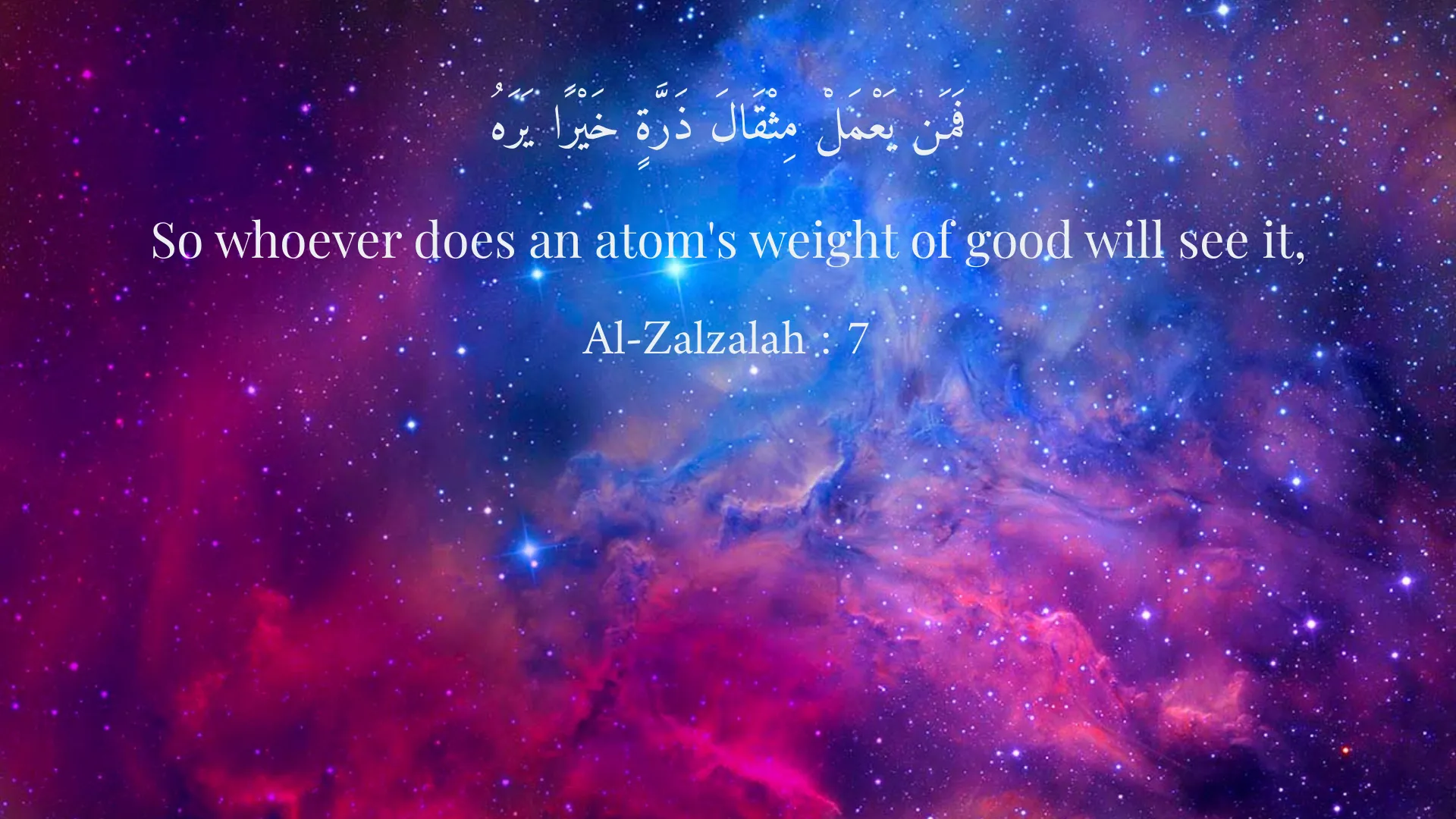
فَمَن یَعْمَلْ مِثْقَالَ ذَرَّةٍ خَیْرًا یَرَهُ
So whoever does an atom's weight of good will see it,
Al-Zalzalah : 7
إِنَّ الَّذِينَ آمَنُوا وَعَمِلُوا الصَّالِحَاتِ وَأَقَامُوا الصَّلَاةَ وَآتَوُا الزَّكَاةَ لَهُمْ أَجْرُهُمْ عِندَ رَبِّهِمْ وَلَا خَوْفٌ عَلَیْهِمْ وَلَا هُمْ یَحْزَنُونَ
Indeed, those who have believed and done righteous deeds and established prayer and given zakah - they will have their reward with their Lord, and no fear will be upon them, nor will they grieve.
Al-Baqarah : 277
قُلْ یَا عِبَادِیَ الَّذِينَ أَسْرَفُوا عَلَى أَنفُسِهِمْ لَا تَقْنَطُوا مِن رَّحْمَةِ اللَّهِ إِنَّ اللَّهَ یَغْفِرُ الذُّنُوبَ جَمِيعًا إِنَّهُ هُوَ الْغَفُورُ الرَّحِيمُ
Say, 'O My servants who have transgressed against themselves [by sinning], do not despair of the mercy of Allah. Indeed, Allah forgives all sins. Indeed, it is He who is the Forgiving, the Merciful.'
Az-Zumar : 53
Short Story
It is narrated that a pious man would stay awake all night, fearing the Day of Judgment, weeping bitterly from the dread of punishment. The great Sheikh Saadi Shirazi saw him and asked, "O young man, what is the reason for all this weeping and wailing?" The man replied, "I fear that on the Day of Resurrection, my reckoning will be severe, and I will be far from God's mercy." Saadi smiled and said, "O brother, you who have spent a lifetime in goodness and have followed no path but the right one, why do you fear the Day of Judgment? Be at peace, for the Lord is more merciful than to harm the righteous. Fear is for those who have gone astray. Since you have followed the right path, instead of fearing, be joyful for your good deeds and be hopeful of Divine grace." Upon hearing these words, the man was encouraged and understood that true preparedness lies not in paralyzing fear, but in righteous action and sincere reliance on God.