Quranic Answer
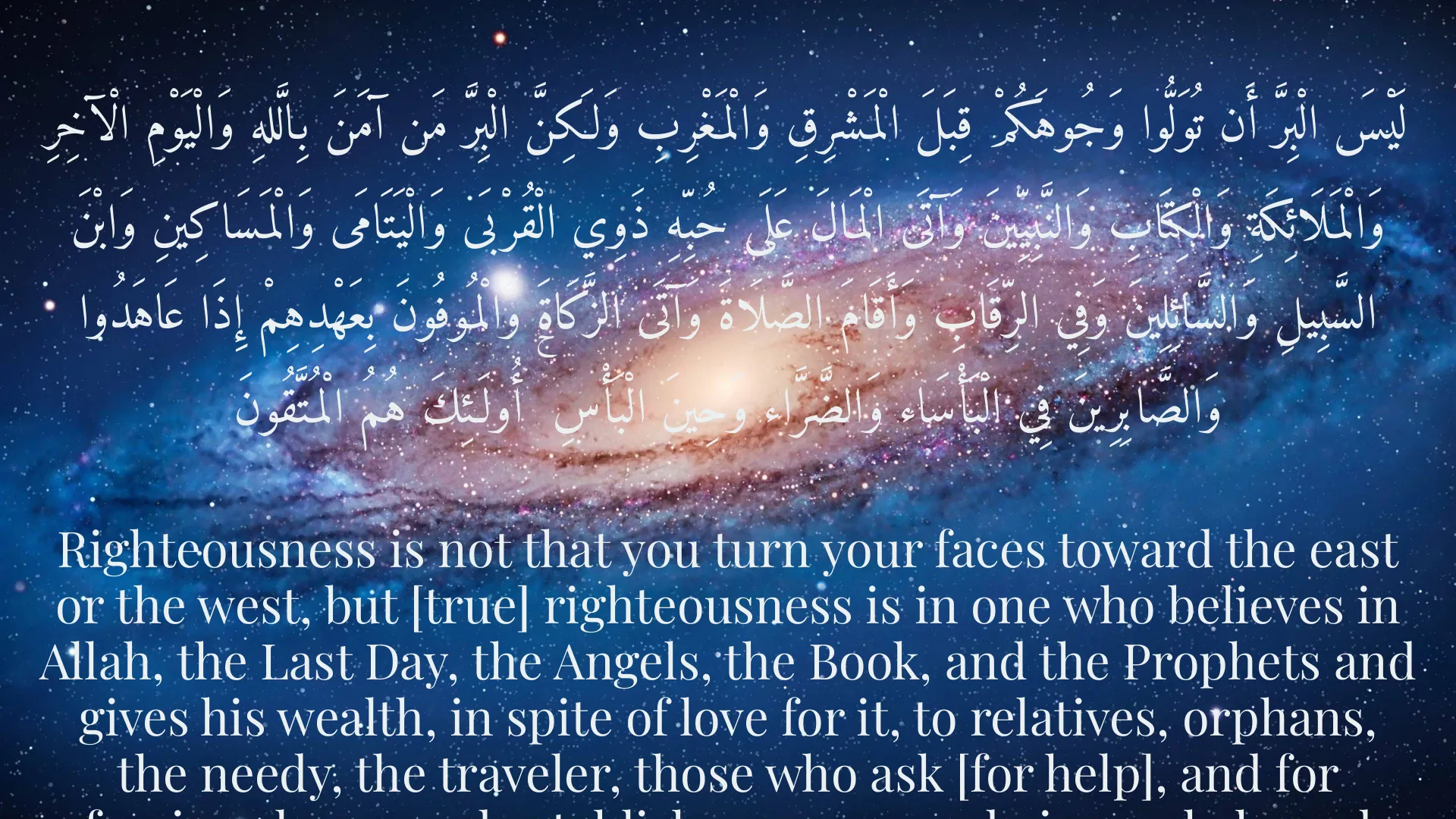
Upholding the marriage covenant is not merely a social contract; it is a profound spiritual and ethical commitment that significantly impacts the lives of the individuals involved, as well as their families and the broader community. The Holy Quran, which serves as a divine guide for Muslims worldwide, places great emphasis on the sanctity of marriage and the responsibilities that accompany it. This article will delve into various Quranic verses and teachings that elucidate the paramount importance of maintaining the marriage covenant and fostering a harmonious relationship between spouses. The marriage covenant is a sacred bond that signifies a commitment to strive for righteousness, mutual respect, love, and understanding. As reflected in Surah Al-Baqarah (2:177), the Quran outlines that true righteousness extends beyond mere outward acts of worship. The essence of righteousness lies in one's faith in Allah and the fulfillment of promises made. This reinforces the idea that honoring a marriage commitment is a manifestation of genuine faith and ethical behavior—qualities to be embodied by both partners in a marriage. Surah Al-Baqarah (2:177) states: 'Righteousness is not that you turn your faces toward the east or the west, but [true] righteousness is in one who believes in Allah, the Last Day, the Angels, the Book, and the Prophets and gives his wealth, in spite of love for it, to relatives, orphans, the needy, the traveler, those who ask [for help], and for freeing slaves; and establishes prayer and gives zakah; and those who fulfill their promise when they promise; and [those who are] patient in poverty and hardship and during battle. Those are the ones who have been true, and it is those who are the righteous.' This verse highlights the multifaceted nature of righteousness, stressing that fulfilling one's promises, including those made in the context of marriage, is pivotal to one’s moral character. The marriage vow encompasses a commitment to love and support one's partner, even in challenging times. Therefore, the principles of patience and resilience are integral to nurturing a healthy marriage. Moreover, the idea of companionship is beautifully articulated in Surah Ar-Rum (30:21), which states: 'And of His signs is that He created for you from yourselves mates that you may find tranquility in them, and He placed between you affection and mercy.' This verse elucidates the core of marital bliss—tranquility achieved through love, mutual respect, and emotional support. Couples are encouraged to create an environment where affection and mercy reign supreme. It is this very atmosphere that allows partners to root for one another and thrive as a unit, promoting emotional well-being and inner peace. In practical terms, fostering such an environment requires active effort. Couples should engage in open communication to strengthen their bond. Discussions regarding dreams, worries, and goals can deepen intimacy and lead to a more profound understanding of one another. It is also paramount that spouses practice patience, especially during conflicts. Disagreements are a part of any relationship, but how couples handle these conflicts can have lasting implications for their marriage. In the context of social roles within marriage, Surah An-Nisa (4:34) provides critical insights. The verse expresses: 'Men are protectors and maintainers of women, by which Allah has made some of them over others and by what they spend out of their wealth.' This emphasizes the complementary roles of partners in a marriage. Individuals must acknowledge and respect each other's roles, from caregiving to financial contribution. Empowerment and support must flow both ways; understanding the unique contributions each partner brings to the relationship fosters respect and appreciation. Additionally, maintaining a marriage contract transcends physical fidelity. It encapsulates a commitment to emotional and spiritual fidelity as well. This means being there for one’s spouse in times of need, providing support for their endeavors, and ensuring that they feel valued and appreciated. Love in a marriage is a living entity; it requires nurturing through shared experiences, kind words, and acts of service. The Quran also highlights the significance of forgiveness and understanding in a marriage. Both partners are human and are prone to mistakes. Often, it is through mutual forgiveness that couples can overcome differences and strengthen their bond. As mentioned in Surah Al-Baqarah (2: forgiveness is an act of great merit, one that fosters peace within the home and minimizes resentment that can otherwise lead to discord. Furthermore, the societal implications of upholding the marriage covenant are profound. A strong marital relationship contributes to a healthy family unit, which ultimately reflects positively on the community. In societies where the marriage covenant is treated with reverence, there tends to be stability, security, and happiness that permeates through generations. Children raised in such environments often grow up to model similar values in their own relationships. To sum up, upholding the marriage covenant is a sacred duty that encompasses a spectrum of responsibilities, including love, respect, emotional support, and faithfulness. The Quran serves as a guiding beacon for couples aspiring to nurture a fulfilling marital relationship. In every verse and every teaching, there is a call to embody values that uphold the integrity of this precious bond. Couples are reminded that through collective effort and sincerity in their commitments, they can build a lasting legacy of love and harmony, contributing positively to their families and society at large. Thus, the marriage covenant transcends the individuals involved; it becomes a sacred pact that fosters a spirit of righteousness and community, reflecting the best of human connections through the wisdom of the Quran.
Related Verses
لَيْسَ الْبِرَّ أَن تُوَلُّوا وَجُوهَكُمْ قِبَلَ الْمَشْرِقِ وَالْمَغْرِبِ وَلَكِنَّ الْبِرَّ مَن آمَنَ بِالَّلهِ وَالْيَوْمِ الْآخِرِ وَالْمَلَائِكَةِ وَالْكِتَابِ وَالنَّبِيِّينَ وَآتَى الْمَالَ عَلَى حُبِّهِ ذَوِي الْقُرْبَى وَالْيَتَامَى وَالْمَسَاكِينِ وَابْنَ السَّبِيلِ وَالسَّائِلِينَ وَفِي الرِّقَابِ وَأَقَامَ الصَّلَاةَ وَآتَى الزَّكَاةَ وَالْمُوفُونَ بِعَهْدِهِمْ إِذَا عَاهَدُوا وَالصَّابِرِينَ فِي الْبَأْسَاء وَالضَّرَّاء وَحِينَ الْبَأْسِ ۚ أُولَـئِكَ هُمُ الْمُتَّقُونَ
Righteousness is not that you turn your faces toward the east or the west, but [true] righteousness is in one who believes in Allah, the Last Day, the Angels, the Book, and the Prophets and gives his wealth, in spite of love for it, to relatives, orphans, the needy, the traveler, those who ask [for help], and for freeing slaves; and establishes prayer and gives zakah; and those who fulfill their promise when they promise; and [those who are] patient in poverty and hardship and during battle. Those are the ones who have been true, and it is those who are the righteous.
Al-Baqarah : 177
وَمِنْ آيَاتِهِ أَنْ خَلَقَ لَكُم مِّنْ أَنفُسِكُمْ أَزْوَاجًا لِّتَسْكُنُوا إِلَيْهَا وَجَعَلَ بَيْنَكُمْ مَوَدَّةً وَرَحْمَةً ۚ إِنَّ فِي ذَٰلِكَ لَآيَاتٍ لِّقَوْمٍ يَتَفَكَّرُونَ
And of His signs is that He created for you from yourselves mates that you may find tranquility in them, and He placed between you affection and mercy.
Ar-Rum : 21
الرِّجَالُ قَوَّامُونَ عَلَى النِّسَاءِ بِمَا فَضَّلَ اللَّهُ بَعْضَهُم عَلَى بَعْضٍ وَبِمَا أَنفَقُوا مِنْ أَمْوَالِهِمْ ۗ فَالصَّالِحَاتُ قَانِتَاتٌ حَافِظَاتٌ لِّغَيْبِ بِمَا حَفِظَ اللَّهُ ۚ وَالَّاتِي تَخَافُونَ نُشُوزَهُنَّ فَاعِظُوهُنَّ وَاهْجُرُوهُنَّ فِي الْمَضَاجِعِ وَاضْرِبُوهُنَّ ۚ فَإِنْ أَطَعْنَكُمْ فَلَا تَبْغُوا عَلَيْهِنَّ سَبِيلًا ۚ إِنَّ اللَّهَ كَانَ عَلِيًّا كَبِيرًا
Men are protectors and maintainers of women, by which Allah has made some of them over others and by what they spend out of their wealth.
An-Nisa : 34
Short Story
Once upon a time, there was a man named Mehdi who had dedicated his life to his wife. He recalled the verses of the Quran that emphasized love and respect. Mehdi decided to spend quality time with his wife each day and buy her gifts. Not only did this bring joy to his wife, but it also made him feel more vibrant and joyful. He then understood that upholding the marriage covenant involves not only loyalty but also a need for love and respect.