Quranic Answer
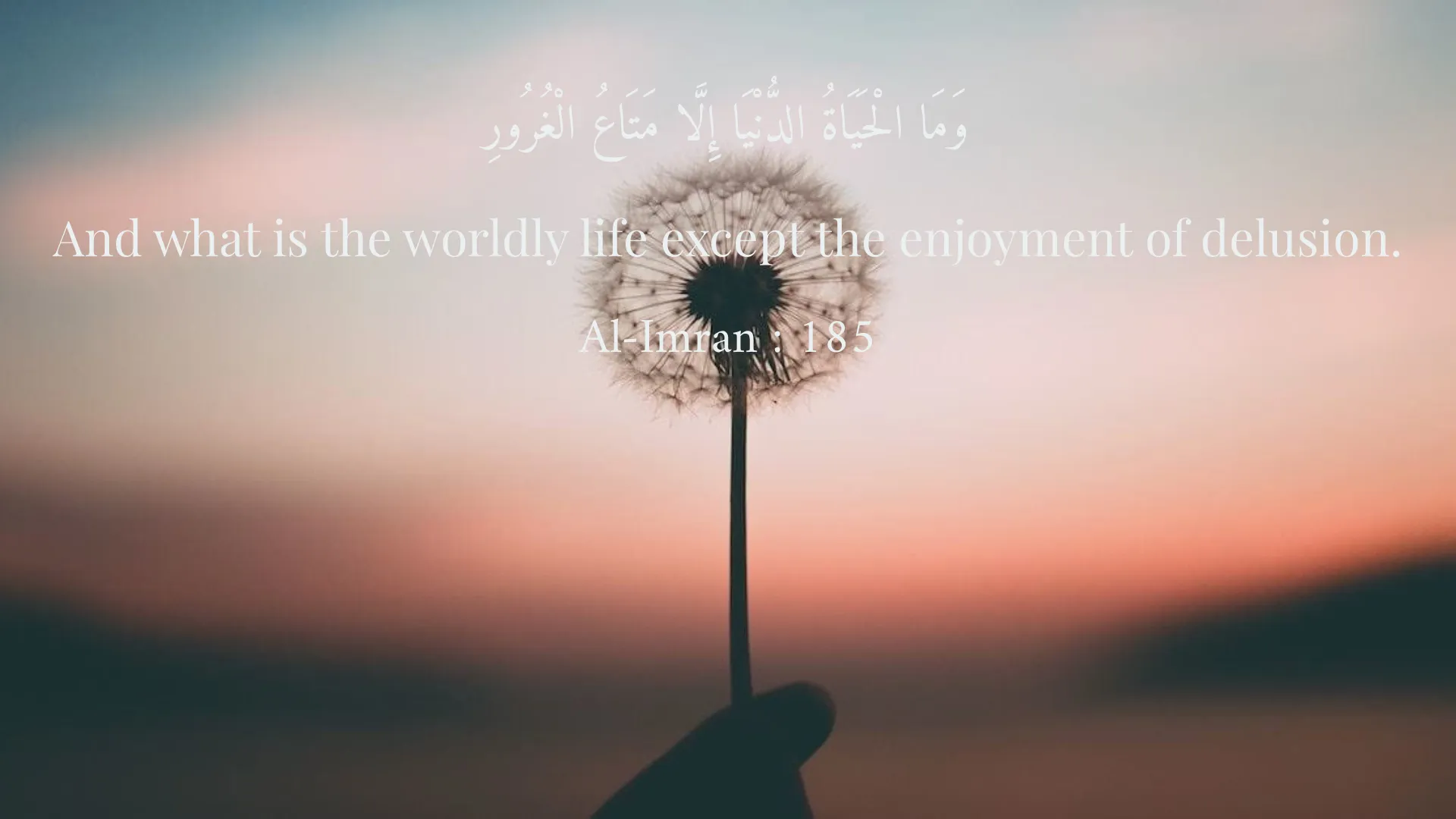
In the Holy Quran, the issue of freeing oneself from attachment to the worldly life and focusing on eternal life is a recurring theme that resonates deeply within Islamic teachings. The worldly life, often characterized by material pursuits and transient pleasures, is framed as a diversion from the ultimate goal of existence: a meaningful connection with the divine and preparation for the afterlife. Throughout various verses of the Quran, the importance of cultivating a mindset that prioritizes spiritual over material wealth is emphasized, guiding believers toward a more righteous and fulfilling life. One of the profound methods suggested for escaping the clutches of materialism is the constant remembrance of death and the afterlife. This remembrance serves as a powerful tool for individuals seeking liberation from worldly attachments. The Quran states in Surah Al-Imran, verse 185: "And what is the worldly life except the enjoyment of delusion?" This verse succinctly reminds us that the pleasures of this world are ephemeral, often deceptive in their appeal. They might provide immediate gratification, but ultimately, they distract individuals from the enduring nature of eternal existence. Thus, it becomes imperative for believers to shift their focus from this transient life to what lies beyond. Moreover, the Quran highlights in Surah Al-Kafirun, verse 6, a call to liberation from worldly ties: "For you is your religion, and for me is my religion." This declaration underscores the significance of individuality in faith and the necessity of detaching oneself from the collective obsession with material possessions. In a society that often equates success with wealth and status, this message is crucial. It teaches that one's worth is not determined by external achievements but by one's faith and deeds. Two pivotal points emerge from these teachings: first, the necessity of strengthening one’s faith and connection with Allah through acts of worship and prayer; and second, the importance of being attentive to the needs of others and engaging in charitable acts. Strengthening one’s faith requires a multifaceted approach, involving consistent prayer, reflection, and cultivation of a personal relationship with Allah. Prayer serves as a means of communication with the Divine, fostering a sense of gratitude and awareness of life’s deeper purpose. As believers engage in regular worship, they are reminded of their ultimate goals and the transient nature of worldly pursuits. On the other hand, the act of seeking out and addressing the needs of others fosters a sense of community and collective responsibility. Engaging in charitable acts not only uplifts those in need but also serves to enhance one's own spiritual journey. When individuals donate their time, resources, or skills to help others, they begin to see the world through a more compassionate lens, understanding that true fulfillment comes from making a difference in the lives of others rather than accumulating wealth or status. Through these actions, believers can gradually lessen their worldly dependencies and redirect their focus toward moral and human values. Trusting in Allah while performing righteous deeds cultivates a sense of inner peace and satisfaction that worldly possessions cannot provide. As individuals align their behavior with their beliefs, they find a profound connection to their spiritual selves, leading them further away from materialism. Furthermore, the concept that this world is not a permanent abode resonates strongly within Islamic teachings. The Quran consistently reminds individuals that life is a temporary test, and their living should be built upon spiritual and religious values. This recognition fosters humility and prepares believers for the inevitability of death. Acknowledging that life is fleeting encourages people to invest their time and energies toward acts that will yield spiritual rewards in the Hereafter. Detaching from worldly ties is not merely an act of renunciation; it is an enlightening journey toward finding one's true self and purpose. As one learns to prioritize their spiritual needs over materialistic desires, they discover the essence of tranquility and fulfillment. The wisdom in the Quran encourages believers to live a life guided by principles rather than impulses, drawing them closer to the eternal truth. In conclusion, the repeated emphasis within the Quran on the ephemeral nature of worldly life serves as a powerful reminder for Muslims to redirect their focus toward their spiritual journey and the afterlife. Through the remembrance of death, the cultivation of faith, and acts of charity, believers are encouraged to free themselves from material dependencies. Such a shift not only enhances their relationship with Allah but also nurtures a compassionate society that thrives on mutual support and moral values. Ultimately, those who strive to detach from worldly ties and embrace a life steeped in spirituality will find inner peace and satisfaction—a timeless truth echoed throughout history. In aligning their purpose with the values of Islam, individuals pave the way for a flourishing existence both in this world and the Hereafter.
Related Verses
وَمَا الْحَيَاةُ الدُّنْيَا إِلَّا مَتَاعُ الْغُرُورِ
And what is the worldly life except the enjoyment of delusion.
Al-Imran : 185
لَكُمْ دِينُكُمْ وَلِيَ دِينِ
For you is your religion, and for me is my religion.
Al-Kafirun : 6
Short Story
Once upon a time, a young man named Farshad lived in a city. Every day he was in pursuit of more wealth and prosperity, forgetting about God. One day, he met an ascetic in the market who encouraged him to reflect on death and the afterlife. From that day forward, Farshad decided to change his life. He began to pray and engage in acts of charity to the needy. Soon he felt a greater sense of peace and satisfaction as he freed himself from worldly attachments.