Quranic Answer
In the contemporary era, where social media platforms like Instagram have become an inseparable part of many people's lives, the issue of self-comparison with others has emerged as a significant challenge. Instagram, with its visual nature where individuals frequently showcase the best and most glamorous aspects of their lives, can foster feelings of inadequacy, envy, and dissatisfaction among users. Although the Holy Quran does not directly mention 'Instagram' or 'social media,' it provides timeless principles and guidance that help us confront these psychological and spiritual challenges and attain inner peace. The Quran's answer to escaping the trap of comparison lies in a deeper understanding of concepts such as Tawhid (Oneness of God), contentment, gratitude, focusing on the Divine essence, and an eschatological (Hereafter-oriented) perspective. The first and most fundamental Quranic principle for liberation from comparison is the realization that our true value and identity originate from Allah Almighty, not from the validation of others or material possessions. The Quran explicitly states that humankind has been created in the 'best of stature' (Surah At-Tin, verse 4). This verse signifies the inherent dignity bestowed upon humanity by God, a dignity that is not contingent upon wealth, beauty, or worldly successes displayed on Instagram. When an individual deeply believes that their worth is before their Creator, not in the eyes of creation, they gradually free themselves from the need for external validation. Focusing on one's relationship with Allah, instead of seeking likes and followers, grants a person true meaning and purpose. The second principle is the importance of gratitude and contentment. The Quran repeatedly emphasizes the significance of gratitude. In Surah Ibrahim, verse 7, Allah states: 'لَئِن شَكَرْتُمْ لَأَزِیدَنَّكُمْ ۖ وَلَئِن كَفَرْتُمْ إِنَّ عَذَابِی لَشَدِیدٌ' meaning: 'If you are grateful, I will surely increase you [in favor]; but if you deny, indeed, My punishment is severe.' This verse indicates that gratitude is not merely a moral virtue but a key to increasing blessings and achieving inner peace. Conversely, continuous comparison with others and focusing on what one lacks is a form of ingratitude. When we focus on and give thanks for our own blessings – health, family, security, faith – instead of dwelling on others' larger homes, luxurious travels, or more attractive physiques, our hearts become filled with contentment and peace. This approach helps us escape the trap of 'wishing for that by which Allah has made some of you exceed others,' which is prohibited in Surah An-Nisa, verse 32: 'وَلَا تَتَمَنَّوْا مَا فَضَّلَ اللَّهُ بِهِ بَعْضَكُمْ عَلَىٰ بَعْضٍ ۚ لِلرِّجَالِ نَصِيبٌ مِّمَّا اكْتَسَبُوا ۖ وَلِلنِّسَاءِ نَصِيبٌ مِّمَّا اكْتَسَبْنَ ۚ وَاسْأَلُوا اللَّهَ مِن فَضْلِهِ ۗ إِنَّ اللَّهَ كَانَ بِكُلِّ شَيْءٍ عَلِيمًا'. This verse teaches us to be content with our portion and to ask Allah for His bounty, rather than fixating on what others possess. The third principle is understanding the fleeting and deceptive nature of worldly life (Dunya). Much of what is displayed on Instagram is a manifestation of worldly beauty, wealth, and pleasures, which the Quran repeatedly describes as transient and deceptive. Surah Al-Hadid, verse 20 beautifully articulates this truth: 'اعْلَمُوا أَنَّمَا الْحَيَاةُ الدُّنْيَا لَعِبٌ وَلَهْوٌ وَزِينَةٌ وَتَفَاخُرٌ بَيْنَكُمْ وَتَكَاثُرٌ فِي الْأَمْوَالِ وَالْأَوْلَادِ ۖ كَمَثَلِ غَيْثٍ أَعْجَبَ الْكُفَّارَ نَبَاتُهُ ثُمَّ يَهِيجُ فَتَرَاهُ مُصْفَرًّا ثُمَّ يَكُونُ حُطَامًا ۗ وَفِي الْآخِرَةِ عَذَابٌ شَدِيدٌ وَمَغْفِرَةٌ مِّنَ اللَّهِ وَرِضْوَانٌ ۚ وَمَا الْحَيَاةُ الدُّنْيَا إِلَّا مَتَاعُ الْغُرُورِ'. This verse likens the life of this world to play, amusement, adornment, boasting among yourselves, and competition in wealth and children, ultimately fading away like vegetation that flourishes and then withers. This Quranic perspective helps us not to take the glitters of this world, as seen on Instagram, too seriously, and to understand that many of these displays are not the reality of people's lives but rather curated and sometimes fabricated segments. By focusing on the Hereafter and eternal rewards, one is freed from the fruitless worldly competitions intensified by social media. Finally, for practical liberation from these comparisons, we can, inspired by the Quran, change our approach to using Instagram: 1. Set Intention: Before opening Instagram, set an intention for beneficial use, not comparison. 2. Limit Usage Time: Avoid excess. 3. Curate Content: Unfollow accounts that trigger envy or dissatisfaction in us. 4. Focus on Self-Improvement: Dedicate the time and energy spent on comparison to learning, spiritual growth, and helping others. 5. Dhikr (Remembrance of Allah): Inner peace is attained through the remembrance of Allah (Surah Ar-Ra'd, verse 28), and this remembrance is the best antidote to the distress caused by comparison. In summary, the Quran guides us towards understanding our true worth, being grateful for what we have, and not becoming attached to the deceptive appearances of the world. By following these principles, we can achieve inner peace and contentment in the dazzling world of social media, freeing ourselves from fruitless comparisons.
Related Verses
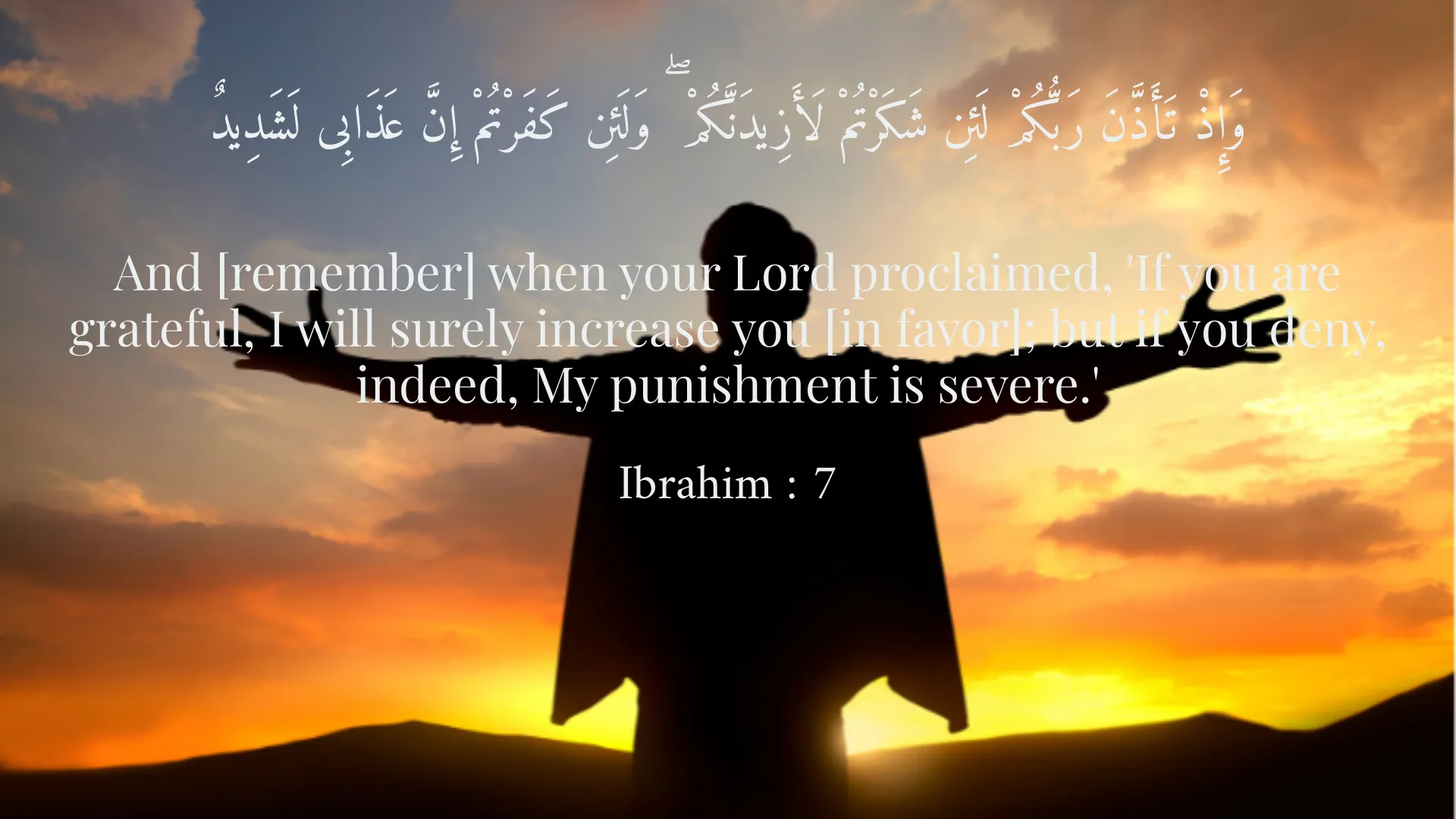
وَإِذْ تَأَذَّنَ رَبُّكُمْ لَئِن شَكَرْتُمْ لَأَزِیدَنَّكُمْ ۖ وَلَئِن كَفَرْتُمْ إِنَّ عَذَابِی لَشَدِیدٌ
And [remember] when your Lord proclaimed, 'If you are grateful, I will surely increase you [in favor]; but if you deny, indeed, My punishment is severe.'
Ibrahim : 7
وَلَا تَتَمَنَّوْا مَا فَضَّلَ اللَّهُ بِهِ بَعْضَكُمْ عَلَىٰ بَعْضٍ ۚ لِلرِّجَالِ نَصِيبٌ مِّمَّا اكْتَسَبُوا ۖ وَلِلنِّسَاءِ نَصِيبٌ مِّمَّا اكْتَسَبْنَ ۚ وَاسْأَلُوا اللَّهَ مِن فَضْلِهِ ۗ إِنَّ اللَّهَ كَانَ بِكُلِّ شَيْءٍ عَلِيمًا
And do not wish for that by which Allah has made some of you exceed others. For men is a share of what they have earned, and for women is a share of what they have earned. And ask Allah of His bounty. Indeed Allah is ever, of all things, Knowing.
An-Nisa : 32
اعْلَمُوا أَنَّمَا الْحَيَاةُ الدُّنْيَا لَعِبٌ وَلَهْوٌ وَزِينَةٌ وَتَفَاخُرٌ بَيْنَكُمْ وَتَكَاثُرٌ فِي الْأَمْوَالِ وَالْأَوْلَادِ ۖ كَمَثَلِ غَيْثٍ أَعْجَبَ الْكُفَّارَ نَبَاتُهُ ثُمَّ يَهِيجُ فَتَرَاهُ مُصْفَرًّا ثُمَّ يَكُونُ حُطَامًا ۗ وَفِي الْآخِرَةِ عَذَابٌ شَدِيدٌ وَمَغْفِرَةٌ مِّنَ اللَّهِ وَرِضْوَانٌ ۚ وَمَا الْحَيَاةُ الدُّنْيَا إِلَّا مَتَاعُ الْغُرُورِ
Know that the life of this world is only play and amusement, pomp and mutual boasting in the multiplication of wealth and children - like the example of a rain whose [resulting] plant growth pleases the tillers; then it dries and you see it turned yellow; then it becomes [scattered] debris. And in the Hereafter is severe punishment and forgiveness from Allah and approval. And what is the life of this world except the enjoyment of delusion.
Al-Hadid : 20
Short Story
It is narrated that one day, a magnificent king, despite his grandeur and splendor, was immersed in sorrow in his solitude, asking himself, 'Why am I not happy with all this glory?' At that moment, he looked out the window and saw a dervish, clad in rags, leaning on a brick, singing cheerfully with a joyful heart. The astonished king summoned the dervish and asked him, 'O dervish, what has made you so joyful, while I, with all my kingdom, find no peace in my heart?' The dervish replied with a warm smile: 'O King! I am blessed with the grace of contentment, and I do not covet anyone's wealth or status. Whatever I possess, I consider it from God's bounty, and I am satisfied with it. But you are always seeking to add to your possessions and are anxious about losing what you have, and this is what deprives you of peace. True wealth is in the tranquility of the heart, not in the abundance of possessions.' These words of the dervish enlightened the king's heart and reminded him that inner joy and satisfaction are superior to any worldly comparison or boasting.