Quranic Answer
How not to abuse God's mercy? This question is profoundly important because the human relationship with divine mercy must be built on understanding, respect, and responsibility, not on false security or exploitation. The Holy Quran, as the guiding scripture, provides clear pathways and strong principles to achieve this delicate balance, ensuring that one never uses divine mercy as an excuse for sins and heedlessness. Indeed, abusing God's mercy means that an individual assumes they can commit any sin and engage in any disobedience, hoping that God will forgive them without any real change in their behavior or intention. This attitude not only contradicts Quranic teachings but also gradually weakens one's faith and deviates them from the straight path of God, potentially leading to hardness of heart, as sin becomes normalized and false hope in forgiveness without effort creates a veil between the individual and their Creator. The notion that one can exploit divine compassion as a pretext for escaping responsibility for one's actions is in complete contradiction with the spirit of Islamic law and the philosophy of human creation. The first and most crucial principle that the Quran puts forth to prevent the abuse of God's mercy is "gratitude" (Shukr) versus "ingratitude" (Kufr al-Ni'mah). In Surah Ibrahim, verse 7, Allah states: «لَئِن شَكَرْتُمْ لَأَزِيدَنَّكُمْ ۖ وَلَئِن كَفَرْتُمْ إِنَّ عَذَابِي لَشَدِيدٌ» (If you are grateful, I will surely increase you [in favor]; but if you deny, indeed, My punishment is severe). Divine mercy is the greatest blessing from God; it includes the opportunity of life, guidance, health, and every good and bounty we receive. Abusing this mercy is a form of ingratitude and denial of blessings. One who, instead of using God's mercy for growth, closeness to Him, and performing good deeds, turns it into an excuse for negligence, rebellion, and committing sins, is essentially disregarding the blessing and moving towards punishment. True gratitude is not merely verbal; it is heartfelt and practical. It means that a person demonstrates through their actions and conduct that they appreciate this divine gift and utilize it in ways that please the Almighty. This implies that every breath, every opportunity, every day God grants us, is a precious chance to draw closer to Him, not a platform for disobedience. Abusing mercy is like using a blessing to harm oneself and others, which is the essence of ingratitude. The second key principle is maintaining a "balance between hope (Rajā') and fear (Khawf)." A true believer neither despairs of God's mercy nor loses hope in His forgiveness, but also does not feel completely secure from His plan. In Surah Al-A'raf, verse 99, it is stated: «أَفَأَمِنُوا مَكْرَ اللَّهِ ۚ فَلَا يَأْمَنُ مَكْرَ اللَّهِ إِلَّا الْقَوْمُ الْخَاسِرُونَ» (Then did they feel secure from the plan of Allah? But no one feels secure from the plan of Allah except the losing people). "Makr Allah" (God's plan) here refers to His divine strategy, which might manifest as a delay in immediate punishment, postponing it, or even granting more opportunities for return, only for the servant to fall into ruin. Abusing mercy is precisely this false sense of security. An individual might assume they can commit any sin, and God will not punish them immediately or will always forgive them, without them needing to repent or change their ways. This delusion leads to ruin and an undesirable outcome. A believer must always maintain a balance between hoping for God's vast forgiveness (Rajā') and fearing the consequences of their sins and God's absolute justice (Khawf). This balance ensures that, on one hand, they do not despair of God's mercy and never see the path of return closed, and on the other hand, they never dare to commit sins, always remaining mindful of their actions. This fear is not a fear born of despair and hopelessness, but a fear stemming from the Almighty's majesty and justice, which leads to abstinence from sin and striving for piety. The third Quranic strategy to prevent the abuse of divine mercy is "sincere repentance (Tawbah Nasuh)" and "individual accountability." In Surah Az-Zumar, verse 53, we read: «قُلْ يَا عِبَادِيَ الَّذِينَ أَسْرَفُوا عَلَىٰ أَنفُسِهِمْ لَا تَقْنَطُوا مِن رَّحْمَةِ اللَّهِ ۚ إِنَّ اللَّهَ يَغْفِرُ الذُّنُوبَ جَمِيعًا ۚ إِنَّهُ هُوَ الْغَفُورُ الرَّحِيمُ» (Say, "O My servants who have transgressed against themselves [by sinning], do not despair of the mercy of Allah. Indeed, Allah forgives all sins. Indeed, it is He who is the Forgiving, the Merciful."). This verse, a fountain of hope and an invitation to return, must not be misinterpreted as a license to continue sinning. The phrase "أسرفوا على أنفسهم" (who have transgressed against themselves) indicates that this call to repentance is directed at those who have committed sins and are now regretful of their actions and intend to reform and make amends. God's mercy extends to those who, after sinning, genuinely regret their actions and intend to rectify them and abandon sin (Tawbah Nasuh and a sincere return). Abusing this verse occurs when an individual intentionally and premeditatedly sins, hoping that a simple "Astaghfirullah" later will suffice, without any real change in behavior or intention, or making amends for violated rights. This type of "repentance" is not genuine and is, in fact, a pretext for continuing in sin. Accountability means accepting that every action has consequences, and God's mercy is for those who strive to be on the right path and, if they falter, sincerely return and make amends. In summary, not abusing divine mercy means a profound understanding of God's majesty, appreciation for His blessings, and living in a balance between hope and fear. This requires self-awareness, continuous monitoring of one's actions, and avoiding arrogance and self-deception. One who constantly strives to fulfill divine commands and abstain from prohibitions, and who, upon making a mistake, immediately returns to God with sincere repentance and seeks to make amends, will never abuse God's mercy. Divine mercy is not a pretext for irresponsibility and sluggishness, but an incentive for piety, progression, and achieving human perfection. This correct understanding of mercy empowers individuals to walk the path of divine pleasure and avoid heedlessness and ruin. Thus, a person not only draws closer to the vast mercy of Allah but also attains true peace and happiness in their life. This correct perspective ensures that divine mercy does not remain merely a slogan but transforms into a driving force for righteous deeds and avoidance of any disobedience. Let us remember that Allah is the Most Gracious, the Most Merciful, but He is also Severe in Punishment and Just, and these two attributes are never in contradiction with each other; both are manifestations of His infinite wisdom and knowledge.
Related Verses
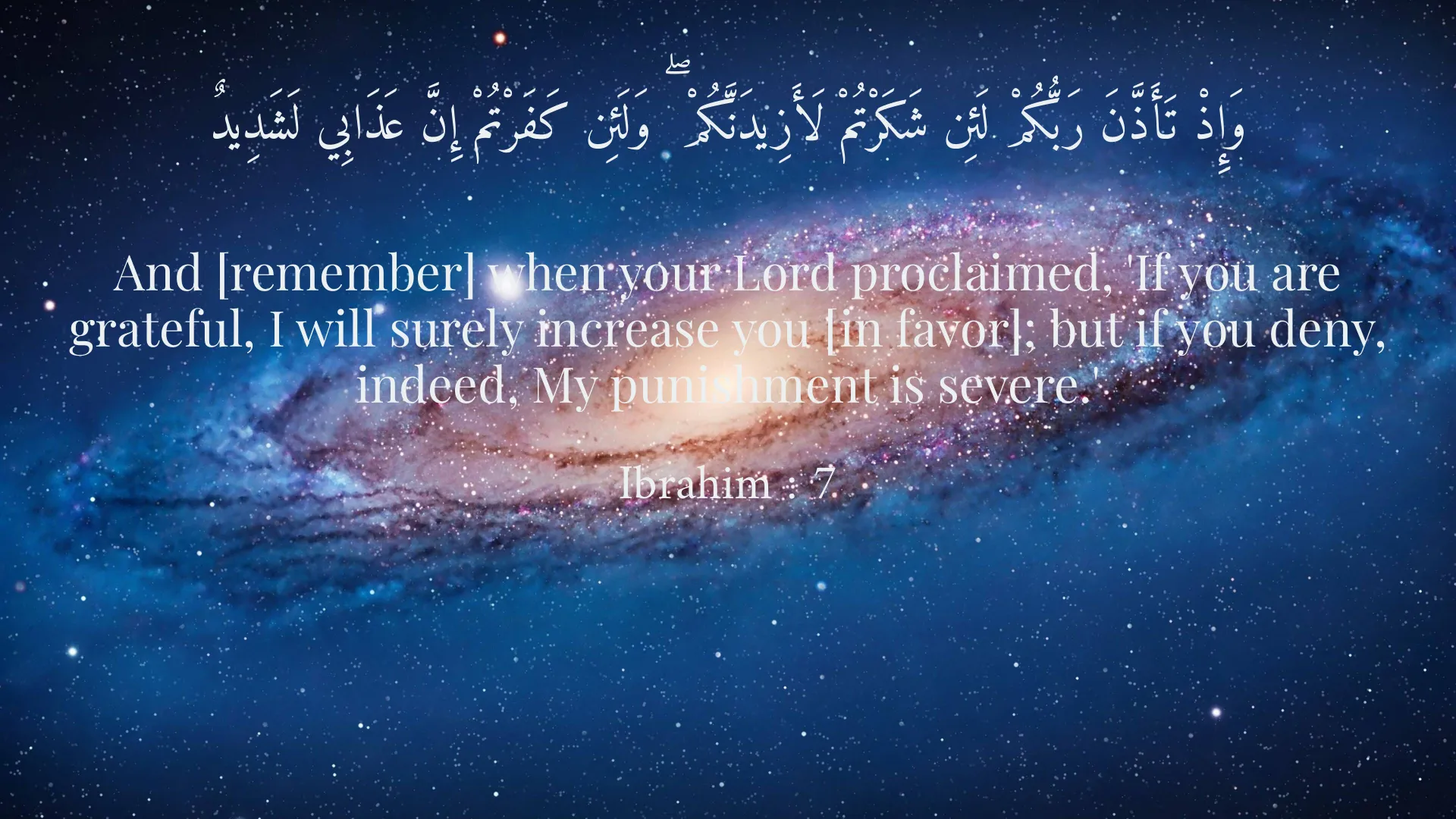
وَإِذْ تَأَذَّنَ رَبُّكُمْ لَئِن شَكَرْتُمْ لَأَزِيدَنَّكُمْ ۖ وَلَئِن كَفَرْتُمْ إِنَّ عَذَابِي لَشَدِيدٌ
And [remember] when your Lord proclaimed, 'If you are grateful, I will surely increase you [in favor]; but if you deny, indeed, My punishment is severe.'
Ibrahim : 7
أَفَأَمِنُوا مَكْرَ اللَّهِ ۚ فَلَا يَأْمَنُ مَكْرَ اللَّهِ إِلَّا الْقَوْمُ الْخَاسِرُونَ
Then did they feel secure from the plan of Allah? But no one feels secure from the plan of Allah except the losing people.
Al-A'raf : 99
قُلْ يَا عِبَادِيَ الَّذِينَ أَسْرَفُوا عَلَىٰ أَنفُسِهِمْ لَا تَقْنَطُوا مِن رَّحْمَةِ اللَّهِ ۚ إِنَّ اللَّهَ يَغْفِرُ الذُّنُوبَ جَمِيعًا ۚ إِنَّهُ هُوَ الْغَفُورُ الرَّحِيمُ
Say, "O My servants who have transgressed against themselves [by sinning], do not despair of the mercy of Allah. Indeed, Allah forgives all sins. Indeed, it is He who is the Forgiving, the Merciful."
Az-Zumar : 53
Short Story
It is narrated that a dervish said to himself, 'Oh, if only a just king ruled over us, so that we might be freed from the suffering of poverty and hunger.' Another man of wisdom replied: 'O dervish, if you are a just king, people will benefit from you; it is not that you yourself should seek benefit from a king. God's mercy is vast for all His servants, and He is free from our service. But if someone does not regret their sins and is negligent in obedience, how can they expect divine mercy to encompass them? People serve earthly kings to be honored with robes, but they serve the King of the heavens to attain eternal felicity. And whoever does not appreciate blessings and abuses God's mercy is like one who breaks a ladder that reaches the sky, falling into the abyss instead of ascending.'