Quranic Answer
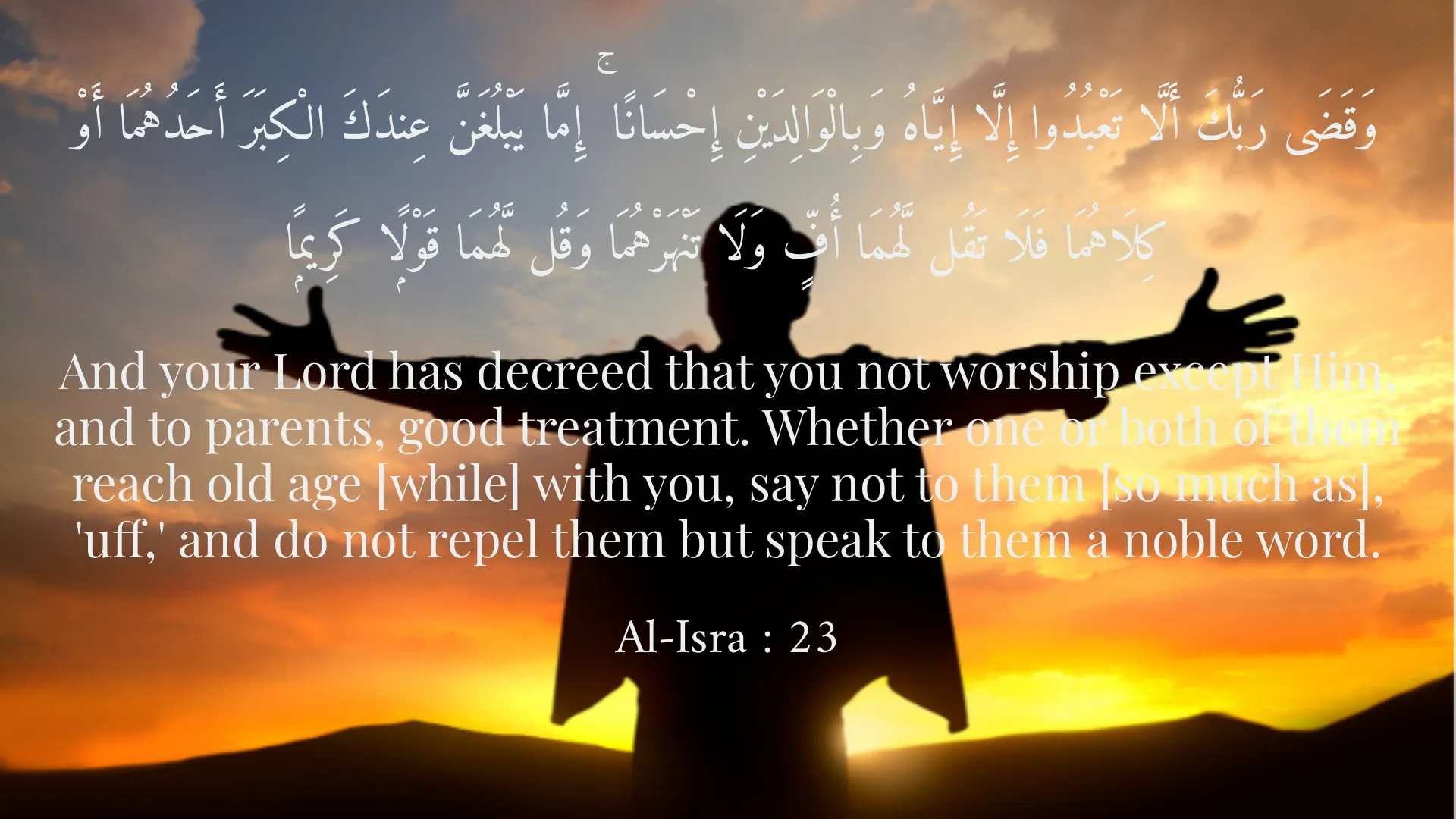
In many faiths and cultures around the world, the fundamental tenets of family respect and kindness are placed at the forefront of values. Among these, the teachings of the Holy Quran offer profound insights into the importance of honoring our parents. It is not just a recommendation but a command from Allah, emphasizing a life characterized by respect, kindness, and support for one's parents. This article aims to expound on the significance of treating parents lovingly as articulated in the Quran, highlighting various verses that depict this virtue's importance while also exploring practical implications for how to embody these principles in everyday life. In Surah Al-Isra, verse 23, Allah explicitly commands the faithful: "And your Lord has decreed that you not worship except Him, and to parents, good treatment." This verse not only prioritizes the worship of Allah but also underscores the immense significance of how we treat our parents. The connection between the oneness of God and respect for parents is striking, indicating that the two principles are intertwined within Islamic teachings. Treating parents with kindness reflects the respect one must hold for God, thereby instilling a sense of moral responsibility within adherents. This verse sets a high standard for how believers are expected to honor their parents, indicating that such respect is part of what strengthens one's relationship with the divine. An essential aspect of showing kindness and good behavior towards parents is the notion of unconditional love and support throughout one’s life. This support manifests not just through words, but in actions. A good child, as defined by Islamic virtue, is expected to obey their parents in reasonable matters. In Surah Luqman, verse 14, Allah emphasizes the immense value of parental care, stating: "And We have enjoined upon man [care] for his parents." This directive highlights that caring for one's parents is not just an ongoing requirement but also a profound obligation. It cultivates a sense of duty within children to ensure that they support and uplift their parents in all stages of life. Moreover, the Quran teaches that we should maintain a respectful demeanor toward our parents. Surah Al-Baqarah, verse 83, encapsulates this by asserting that no words should be disrespectful to them. It is imperative to communicate with parents with kindness, acknowledging their sacrifices and the wisdom they may offer. In practice, this means listening to them, engaging in meaningful discussions, and appreciating their guidance. The reverence in communication can strengthen familial ties and cultivate an environment of mutual respect and understanding. Moreover, the directives regarding parental respect extend beyond mere obedience. They invite us to embody values of compassion, patience, and understanding within the family dynamic. Theocean between parents and children can often be tumultuous, especially during moments of disagreement. Yet, the Quran guides believers to maintain their tenderness and care even amidst conflict. An aspect of good behavior includes recognizing parents as individuals with their own experiences, feelings, and needs. By viewing parents through this empathetic lens, children are more likely to approach family interactions with a nurturing and forgiving heart. Being a good child also naturally extends to how we engage with siblings and other family members. NASAA refers to interpersonal relationships as symphonies of kindness and cooperation. Learning to be loving and cooperative with siblings teaches valuable lessons in teamwork, empathy, and respect for diversity within the family unit. This aspect of being a good child fosters a spirit of cooperation, allowing families to work together harmoniously. Furthermore, respecting the wishes and needs of parents is pivotal. Sometimes, as children grow and develop their autonomy, they may envision a lifestyle or future that their parents do not initially understand or support. However, respect involves understanding and negotiating these differences while still honoring parental perspectives. Striving to include parents in one’s life decisions—even when disagreements arise—reinforces the bond of trust and respect. This compliance does not imply blind obedience but reflects a nuanced understanding of love, tolerance, and patience. Practically, being a good child may include simple actions, such as helping around the house, volunteering time, or just being present during family gatherings. It can also extend to remembering significant dates, such as birthdays and anniversaries, allowing for moments of joy and recognition within the family structure. These small gestures contribute to a richer family life and demonstrate adherence to the divine commandments regarding family. Moreover, they build a robust support network, allowing feelings of love and belonging to flourish. In summary, kindness to parents is not just an ancillary aspect of faith; it is a cornerstone that profoundly aligns with fulfilling divine characteristics of love, compassion, and respect. Islam places significant emphasis on treating parents well, depicting it as a moral obligation embodied in daily living. Those directives found in the Holy Quran demonstrate that, as believers, it is not only our duty to respect our parents but also to maintain a harmonious family environment, characterized by collaboration and mutual support. As we navigate the complexities of life, it is crucial to remember that the bond between children and parents reflects the virtues of faith—a testament to the fundamental principles of kindness that can echo throughout generations. By fostering these values in our interactions, we do not just enrich our lives but also uphold the tenets of our spiritual beliefs.
Related Verses
وَقَضَى رَبُّكَ أَلَّا تَعْبُدُوا إِلَّا إِيَّاهُ وَبِالْوَالِدَيْنِ إِحْسَانًا ۚ إِمَّا يَبْلُغَنَّ عِندَكَ الْكِبَرَ أَحَدُهُمَا أَوْ كِلَاهُمَا فَلَا تَقُل لَّهُمَا أُفٍّ وَلَا تَنْهَرْهُمَا وَقُل لَّهُمَا قَوْلًۭا كَرِيمًۭا
And your Lord has decreed that you not worship except Him, and to parents, good treatment. Whether one or both of them reach old age [while] with you, say not to them [so much as], 'uff,' and do not repel them but speak to them a noble word.
Al-Isra : 23
وَوَصَّيْنَا الْإِنْسَانَ بِوَالِدَيْهِ ۚ أَنِ اشْكُرْ لِي وَلِوَالِدَيْكَ ۚ إِلَيَّْ الْمَصِيرُ
And We have enjoined upon man [care] for his parents. But if they endeavor to make you associate with Me that of which you have no knowledge, do not obey them. To Me is your return, and I will inform you about what you used to do.
Luqman : 14
وَإِذْ أَخَذْنَا مِيثَاقَ بَنِي إِسْرَائِيلَ لَا تَعْبُدُونَ إِلَّا اللَّهَ وَبِالْوَالِدَيْنِ إِحْسَانًا وَذِي الْقُرْبَىٰ وَالْيَتَامَىٰ وَالْمَسَاكِينِ وَقُولُوا لِلنَّاسِ حُسْنًا وَأَقِيمُوا الصَّلَاةَ وَآتُوا الزَّكَاةَ ثُمَّ تَوَلَّيْتُمْ إِلَّا قَلِيلًا مِّنكُمْ وَأَنتُمْ مُعْرِضُونَ
And [mention] when We took the covenant from the Children of Israel, [enjoining upon them], "Do not worship except Allah; and to parents, do good and to relatives, orphans, and the needy. And speak to people good [words] and establish prayer and give zakah." Then you turned away, except for a few of you, and you were refusing.
Al-Baqarah : 83
Short Story
Once in a small village, there was a boy named Ali. Ali was a loving and polite son. Every day, he helped his parents and regarded their opinions in every decision. One rainy day, when his father fell ill, Ali dedicated all his time to caring for him and assisted his mother with household chores. Ali realized that by showing respect and love to his parents, he not only made them happy but also felt a sense of peace and joy himself.