Quranic Answer
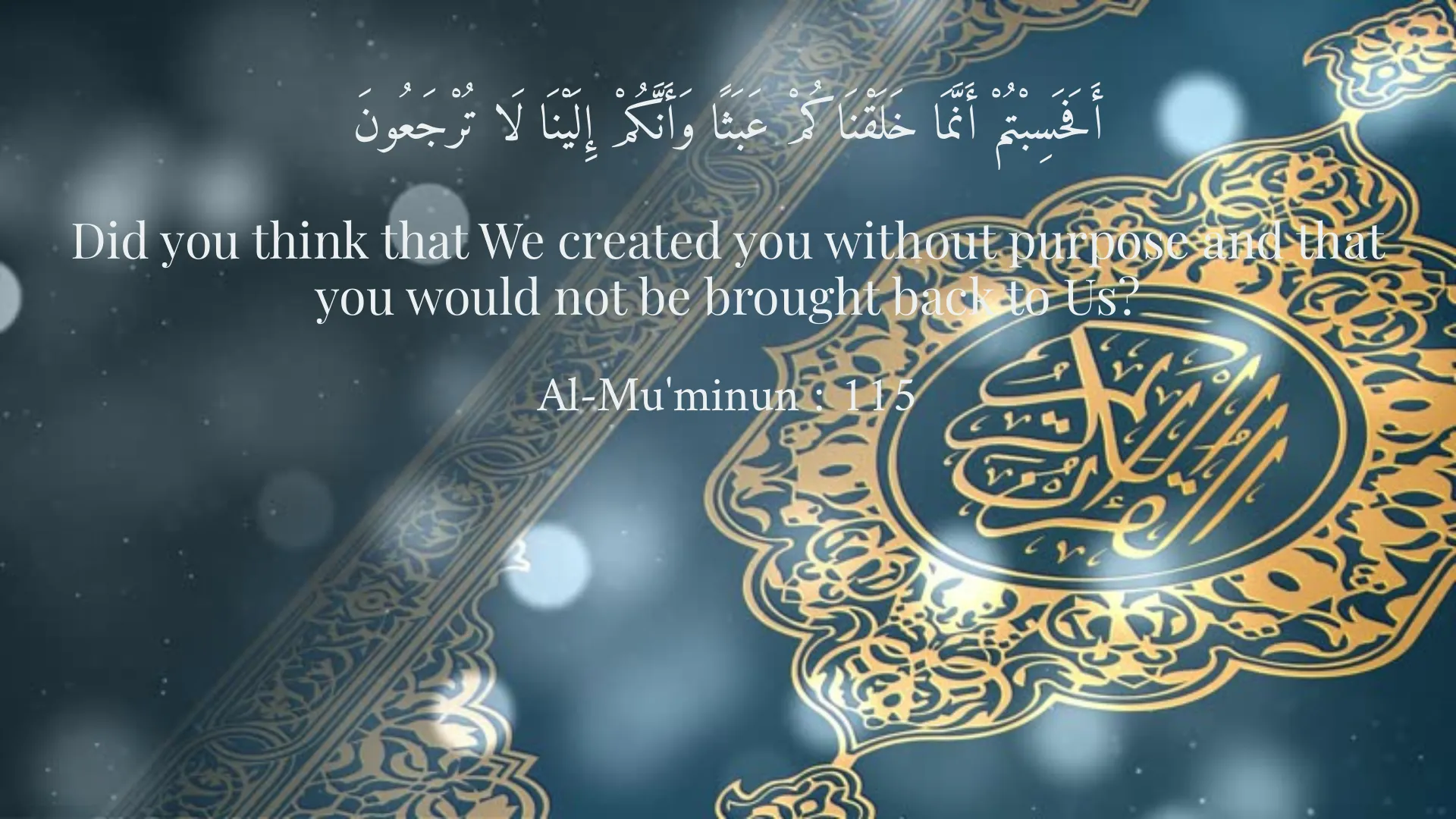
The Holy Quran, regarded as the sacred scripture of Islam, delves deeply into the human condition and provides insight into complex emotions such as worthlessness and inner emptiness. In a world where many individuals struggle with feelings of inadequacy and purposelessness, the teachings of the Quran offer a beacon of hope and guidance. Central to the Quranic message is the assertion that each individual possesses a unique and significant identity in the eyes of Allah, and it is this understanding that can help alleviate feelings of worthlessness. One of the most poignant verses that encapsulate this theme is found in Surah Al-Mu'minun, verse 115, where Allah reminds humanity, "Did you think that We created you without purpose and that you would not be brought back to Us?" This verse profoundly highlights the notion that existence is not mundane or without meaning. Rather, each person is endowed with a purpose that is divinely ordained. Understanding that life is imbued with a greater significance can serve as an antidote to feelings of worthlessness. It encourages individuals to seek out their role and mission in life, reinforcing the idea that they possess intrinsic value in the grand scheme of existence. Moreover, the Quran emphasizes personal accountability in another striking verse found in Surah Al-An'am, verse 164, where it is stated, "No one bears the burden of another, and they will return to Allah." This verse underscores the importance of individual actions and personal responsibility. Instead of measuring self-worth against the expectations and achievements of others, individuals are reminded to focus on their own deeds and their relationship with God. This encourages a path of self-discovery and introspection, where one can seek forgiveness and redemption through sincere repentance. By fostering a relationship with Allah and recognizing one’s own shortcomings, individuals can begin to rebuild their sense of self-worth. Additionally, the Quran encourages individuals to reflect on the countless blessings that Allah has bestowed upon them, facilitating a shift in perspective from scarcity to abundance. In Surah Ibrahim, verse 34, it is stated, "And He does not count His blessings upon you..." This verse serves as a powerful reminder that the blessings in life are often taken for granted. By consciously acknowledging and appreciating these blessings, individuals can cultivate a sense of gratitude that combats feelings of worthlessness. It is through gratitude that one can recognize their own value and significance as a creation of Allah, fostering a greater sense of self-worth. Furthermore, building strong relationships with others and engaging in community service are vital actions that can contribute to an individual’s sense of value. The Quran advocates for the importance of community and human connection, suggesting that one’s self-worth can be enhanced through acts of kindness and service to others. When individuals contribute to the well-being of their communities, they not only help those in need but also reinforce their own sense of purpose and belonging. Acts of charity, compassion, and social justice are not just obligations but pathways to discovering one’s intrinsic value. In addition, the Quran places a strong emphasis on human rights and dignity, further enhancing the importance of self-worth. Each person is created with honor and dignity, and recognizing this inherent value in oneself and others can help combat the feelings of worthlessness that many experience. Upholding human rights, respecting others, and promoting justice are not only moral imperatives but also ways to affirm one’s value and worth in the eyes of Allah. By treating others with respect and compassion, individuals can foster an environment where collective worth is acknowledged and celebrated. Ultimately, the keys to overcoming feelings of worthlessness lie in the trust that individuals place in God and the hope in His infinite mercy. The Quranic teachings remind believers that they are never alone in their struggles. Allah is always there, ready to forgive and support those who turn to Him with sincerity. This relationship with the Divine can instill a profound sense of worthiness and purpose, as individuals recognize that their value is not defined by worldly standards but by their connection to the Creator. In conclusion, the Holy Quran eloquently addresses the pervasive feelings of worthlessness and emptiness that many humans face. Through the verses of the Quran, individuals are reminded of their divine purpose, the significance of their actions, and the blessings bestowed upon them. By fostering a relationship with Allah, reflecting on personal accountability, appreciating blessings, serving the community, and advocating for human rights, individuals can cultivate a robust sense of self-worth. Thus, it can be seen that the path to overcoming feelings of worthlessness is deeply rooted in spirituality, responsibility, and the intrinsic value that every human being possesses as a creation of Allah.
Related Verses
أَفَحَسِبْتُمْ أَنَّمَا خَلَقْنَاكُمْ عَبَثًا وَأَنَّكُمْ إِلَيْنَا لَا تُرْجَعُونَ
Did you think that We created you without purpose and that you would not be brought back to Us?
Al-Mu'minun : 115
وَلَا تَزِرُ وَازِرَةٌ وِزْرَ أُخْرَىٰ ۖ وَإِلَيْهِمْ يُرْجَعُونَ
No one bears the burden of another, and they will return to Allah.
Al-An'am : 164
وَإِن تَعُدُّوا نِعْمَةَ اللَّهِ لَا تُحْصُوهَا ۚ إِنَّ الْإِنْسَانَ لَظَلُومٌ كَفَّارٌ
And if you count the favors of Allah, you will not be able to enumerate them. Indeed, mankind is very unjust and ungrateful.
Ibrahim : 34
Short Story
On a summer day, a young man named Sohrab was walking and felt as if he was going nowhere and that his life was meaningless. Suddenly, he passed by a mosque, and the call to prayer drew him in. Upon entering the mosque, he experienced a sense of peace that he had long lost. An elder approached him and said, 'Life is never purposeless; we all have a mission in this world, and our worth is determined by our actions.' Sohrab recalled the verses of the Quran that mentioned how anyone can find their value through repentance and returning to God. He decided to strengthen his relationship with God and create a new beginning for his life.