Quranic Answer
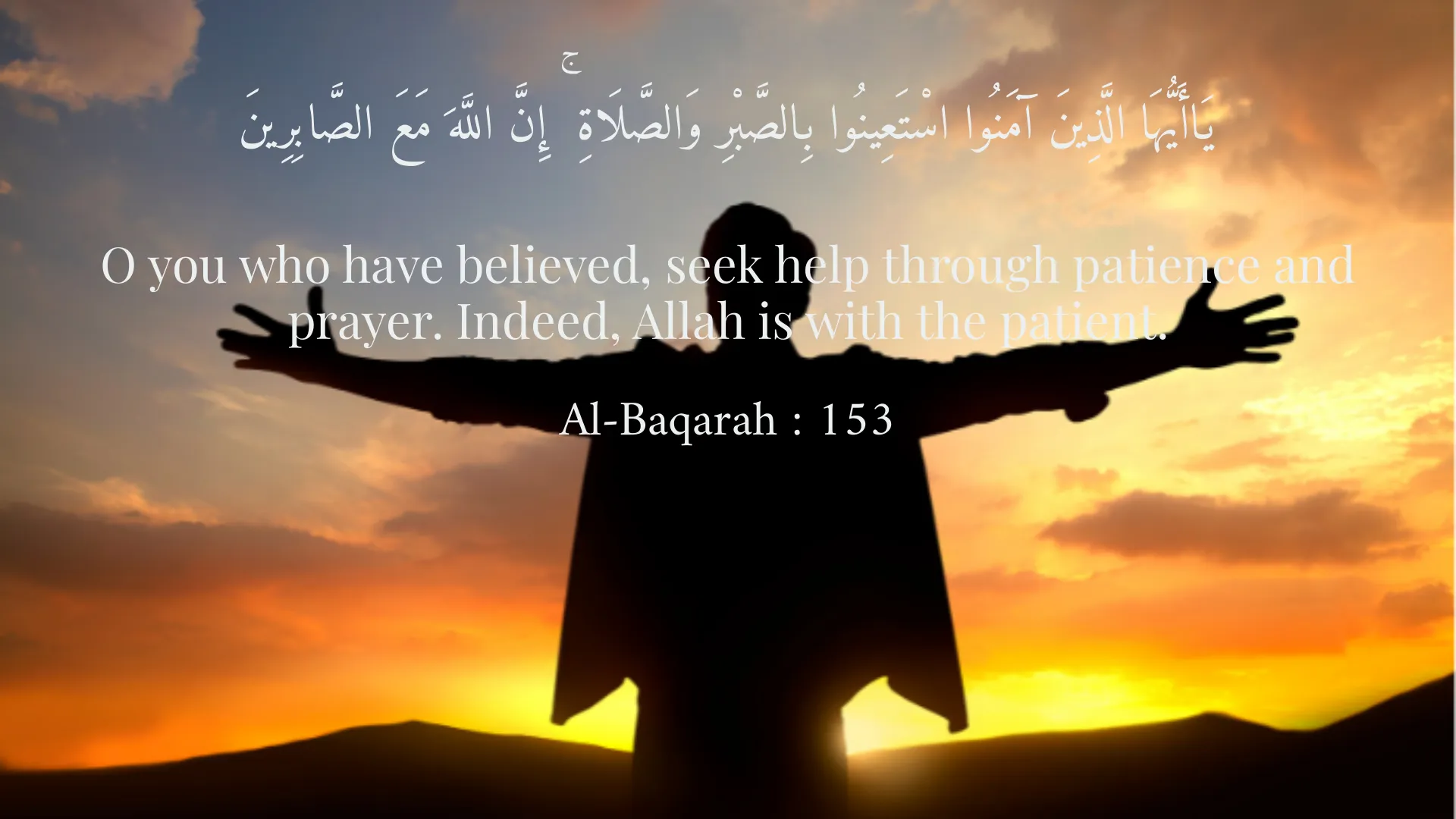
Life in this world is inherently full of ups and downs, and every individual, on their journey through existence, may encounter challenges, hardships, and deficiencies, including poverty and financial distress. This condition, regardless of geographical location or social status, is a common human experience that can exert immense pressure on one's spirit and psyche. However, Islam, and specifically the teachings of the Holy Quran, offer profound and comprehensive solutions for confronting these phenomena. These solutions not only aid in enduring difficult circumstances but also transform them into opportunities for spiritual growth and proximity to the Divine. The Quran views poverty not as an end, but as a test that can lead to human transcendence and elevation. The foremost and most crucial principle in facing poverty and shortcomings from a Quranic perspective is "Sabr" (patience and perseverance). Sabr, in the Quranic view, is not merely passive endurance; rather, it encompasses steadfastness, resilience, self-restraint from despair and lamentation, and reliance upon Allah in the face of difficulties. Allah states in Surah Al-Baqarah, verse 153: "YAA AYYUHAL LAZHEENA AAMANUSTA'EENOO BIS SABRI WAS SALAATI INNAL LAAHA MA'AS SAABIREEN" (O you who have believed, seek help through patience and prayer. Indeed, Allah is with the patient). This verse clearly indicates that patience and prayer are two fundamental pillars for confronting hardships. Patience empowers an individual to stand firm against the storms of life, not lose hope, and calmly seek solutions. Sabr implies complete submission to Divine decree after exerting all necessary efforts, and this submission is not a sign of weakness but rather the ultimate expression of spiritual strength. Patience helps one to avoid despair and embrace the belief that ease follows every hardship, as reiterated twice in Surah Al-Inshirah (Ash-Sharh), verses 5 and 6: "FA INNA MA'AL 'USRI YUSRAA (5) INNA MA'AL 'USRI YUSRAA (6)" (For indeed, with hardship [will be] ease. Indeed, with hardship [will be] ease). This repetition underscores a divine promise and provides reassurance to anxious hearts, emphasizing that relief is inevitably tied to adversity. The second significant approach is "Tawakkul" (reliance upon Allah). Tawakkul means that after employing all one's capabilities and efforts, an individual entrusts the outcome to Allah, having firm conviction that He is the true Provider. This belief alleviates a heavy burden from the human spirit, freeing it from unnecessary anxiety and worry. In Surah At-Talaq, verses 2 and 3, Allah says: "WA MAN YATTAQIL LAAHA YAJ'AL LAHU MAKHRAJAN (2) WA YARZUQHU MIN HAYTHU LAA YAHTASIBU WA MAN YATAWAKKAL 'ALAL LAAHI FAHUWA HASBUHU INNAL LAAHA BAALIGHU AMRIHI QAD JA'ALAL LAAHU LI KULLI SHAY'IN QADRAA (3)" (And whoever fears Allah – He will make for him a way out, and will provide for him from where he does not expect. And whoever relies upon Allah – then He is sufficient for him. Indeed, Allah will accomplish His purpose. Allah has already set for everything a [decreed] extent). These verses promise that piety and reliance are the keys to opening doors of provision and finding solutions to problems. Tawakkul does not imply inaction or passivity; rather, it means striving with heartfelt certainty in Divine management. A believer understands that their provision is in the hands of Allah, and their effort is merely a means to attain it. "Shukr" (gratitude) is another crucial concept emphasized by the Quran for coping with shortcomings. While gratitude during poverty might seem paradoxical at first glance, it means not only thanking for abundance but also appreciating existing blessings, however small, and expressing gratitude for health, faith, family, and other intangible possessions. Gratitude shifts one's perspective; instead of focusing on what is lacking, it directs attention to what one possesses, fostering a sense of richness and contentment. In Surah Ibrahim, verse 7, Allah states: "WA ITH TA'AZZHANA RABBUKUM LA'IN SHAKARTUM LA'AZEEDANNAKUM WA LA'IN KAFARTUM INNA 'ATHAABEE LASHADEEDUN" (And [remember] when your Lord proclaimed, 'If you are grateful, I will surely increase you [in favor]; but if you deny, indeed, My punishment is severe'). This verse is a clear divine promise that gratitude leads to an increase in blessings and bounty in life, even if those blessings are not material. Gratitude opens the doors of divine mercy and helps individuals to see rays of hope and strengths even in the worst of circumstances. Furthermore, "Qana'ah" (contentment) and satisfaction with what is available play a significant role in the psychological peace of those with limited means. Qana'ah does not mean ceasing efforts to earn more; rather, it implies being content with lawful provision, avoiding excessive greed, and refraining from unnecessary comparisons with others. Prophet Muhammad (peace be upon him) said: "Contentment is a treasure that never runs out." Qana'ah liberates individuals from material worries and allows them to focus on spiritual and eternal values. The Quran also considers poverty and shortcomings as "Divine tests." In Surah Al-Baqarah, verse 155, we read: "WA LANABLUWANNNAKUM BI SHAY'IN MINAL KHAWFI WAL JOO'I WA NAQSIN MINAL AMWAALI WAL ANFUSI WATH THAMARAATI WA BASHSHIRIS SAABIREEN" (And We will surely test you with something of fear and hunger and a loss of wealth and lives and fruits, but give good tidings to the patient). This verse indicates that poverty, illness, fear, etc., are all tools to test human faith and steadfastness. Understanding that challenges are part of Allah's tradition for human development helps individuals face them with a more positive outlook, seeking Allah's pleasure instead of complaining. In addition, "Jahd wa Talash" (effort and striving) for improving one's livelihood is never neglected in Islam. The Quran commands Muslims to work hard to earn lawful provision. In Surah Al-Mulk, verse 15, it is stated: "HUWAL LAZHEE JA'ALA LAKUMUL ARDA THALOOLAN FAMSHOO FEE MANAAKIBIHAA WA KULOO MIR RIZQIHI WA ILAYHIN NUSHOOR" (It is He who made the earth subservient to you, so walk among its slopes and eat from His provision—and to Him is the resurrection). This verse emphasizes that divine sustenance is acquired through effort and movement. Therefore, a believer, while relying on Allah, must actively strive to improve their economic conditions and avoid idleness and laziness. Finally, "attention to the Hereafter and the transience of this world" provides a powerful perspective for dealing with material hardships. The Quran repeatedly emphasizes that worldly life is fleeting and impermanent, and true reward lies in the Hereafter. Worldly poverty might be insignificant compared to the richness of the Hereafter, and it can even be a factor in increasing one's rewards in the afterlife. In Surah Al-Kahf, verse 46, it says: "AL MAALU WAL BANOONA ZEENATUL HAYATID DUNYA WAL BAAQIYAATU AS SAALIHAATU KHAYRUN 'INDA RABBIKA THAWAABAW WA KHAYRUN AMALAA" (Wealth and children are the adornment of worldly life. But the enduring good deeds are better to your Lord in reward and better in [the hope of] aspiration). This perspective helps individuals avoid despair and hopelessness in the face of material shortcomings, broadening their outlook so that worldly problems appear small and bearable when viewed against the scale of eternity. Furthermore, "seeking help from the community and benefactors" is an integral part of Islamic teachings. Islam is not an individualistic religion; rather, it strongly emphasizes social responsibilities and solidarity. Poverty alleviation and helping the needy are primary duties of wealthy Muslims, and many verses address Zakat, charity, and spending in Allah's way. A poor person can benefit from these aids while preserving their human dignity. In Surah Al-Baqarah, verse 273, Allah says: "LIL FUQARAA'IL LAZHEENA UHSIRU FEE SABEELIL LAAHI LAA YASTATEE'OONA DARBAN FIL ARDI YAHSABUHUMUL JAAHILU AGHNIYAA'A MINAT TA'AFFUFI TA'RIFUHUM BI SEEMAAHUM LAA YAS'ALOONAN NAASA ILHAAFAAN" (For the poor who have been restricted in the cause of Allah and are unable to move about in the land [for trade], an ignorant person would think them self-sufficient because of their restraint. You will recognize them by their mark; they do not ask people persistently). This verse paints a picture of the dignified poor and encourages Muslims to identify and help such individuals. In summary, coping with poverty and shortcomings from a Quranic perspective is a multifaceted approach that includes patience, reliance on Allah, gratitude, contentment, effort, understanding the philosophy of divine tests, focusing on the Hereafter, and utilizing social support. These teachings help individuals to navigate difficult times with tranquility, dignity, and hope, and even transform them into a ladder for achieving spiritual perfection. This comprehensive outlook not only helps individuals find relief from hardships but also enables them to face whatever comes their way in life with a confident heart and firm faith.
Related Verses
يَاأَيُّهَا الَّذِينَ آمَنُوا اسْتَعِينُوا بِالصَّبْرِ وَالصَّلَاةِ ۚ إِنَّ اللَّهَ مَعَ الصَّابِرِينَ
O you who have believed, seek help through patience and prayer. Indeed, Allah is with the patient.
Al-Baqarah : 153
وَيَرْزُقْهُ مِنْ حَيْثُ لَا يَحْتَسِبُ ۚ وَمَن يَتَوَكَّلْ عَلَى اللَّهِ فَهُوَ حَسْبُهُ ۚ إِنَّ اللَّهَ بَالِغُ أَمْرِهِ ۚ قَدْ جَعَلَ اللَّهُ لِكُلِّ شَيْءٍ قَدْرًا
And will provide for him from where he does not expect. And whoever relies upon Allah – then He is sufficient for him. Indeed, Allah will accomplish His purpose. Allah has already set for everything a [decreed] extent.
At-Talaq : 3
وَإِذْ تَأَذَّنَ رَبُّكُمْ لَئِن شَكَرْتُمْ لَأَزِیدَنَّكُمْ ۖ وَلَئِن كَفَرْتُمْ إِنَّ عَذَابِی لَشَدِیدٌ
And [remember] when your Lord proclaimed, 'If you are grateful, I will surely increase you [in favor]; but if you deny, indeed, My punishment is severe.'
Ibrahim : 7
Short Story
It is said that one day, a powerful king was sitting amidst his wealth and splendor, yet felt a deep unease. At the same time, a dervish passed by, clad in a tattered cloak and carrying a simple bowl, singing praises to God and full of tranquility. The king, observing the dervish's serenity, asked him, "Are you not worried about where your next meal will come from, or where you will sleep tonight?" The dervish smiled and replied, "O King, I worry not, for my Sustainer is God, and He feeds even the birds of the air. Why should He forget a servant who trusts in Him? But you, O King, with all your riches, are worried about tomorrow and the days after! My poverty has granted me peace, which your kingdom has denied you." The king, struck by the dervish's wisdom, realized that true richness lies not in possessions but in contentment and trust in God.