Quranic Answer
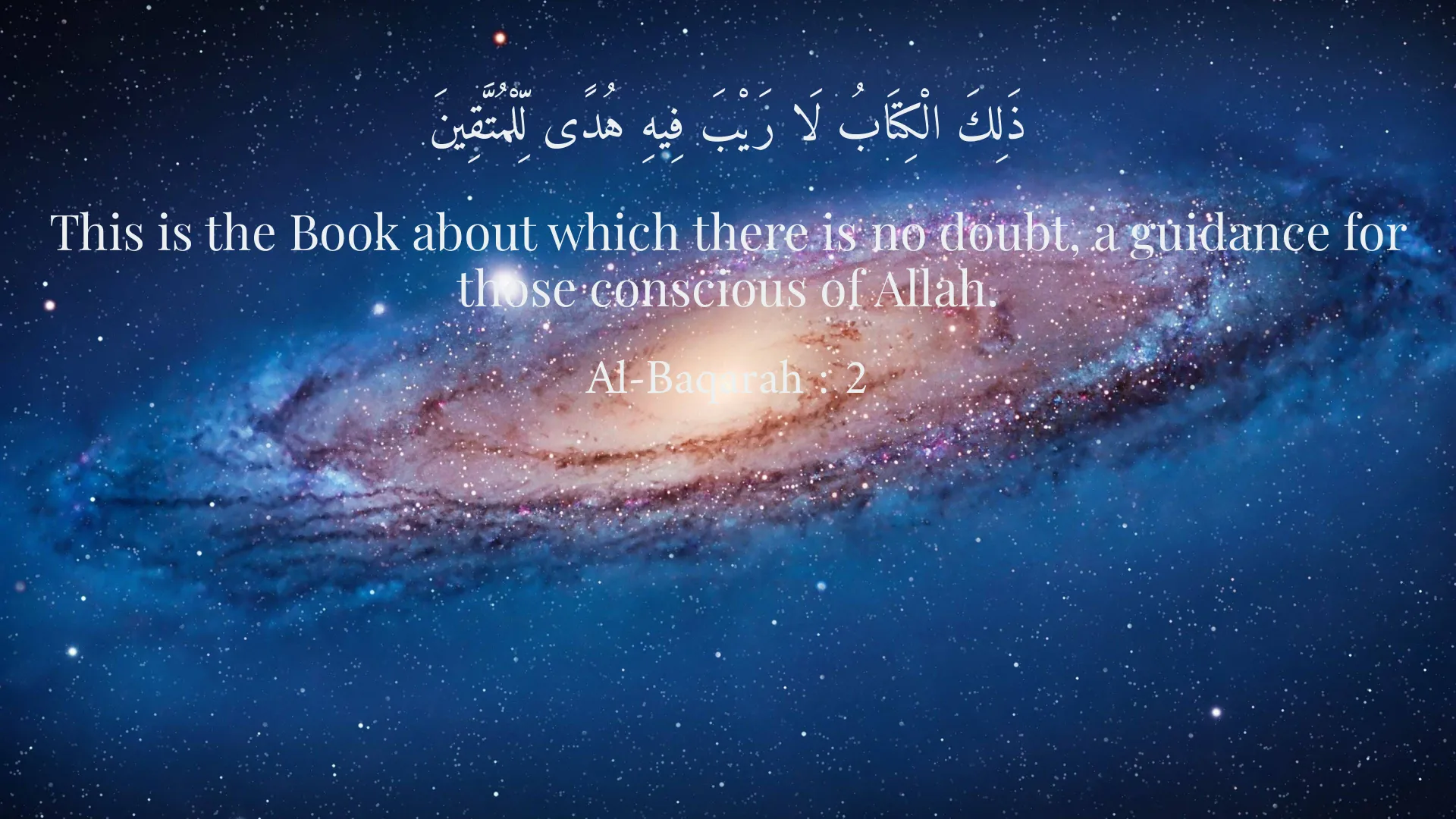
The question of how to distinguish between one's personal desires and the will of God is a profound and fundamental spiritual inquiry that lies at the very core of a believer's journey. It's not about the outright suppression of all personal inclinations, but rather about the purification, elevation, and alignment of these inclinations with a divine purpose that brings true and lasting benefit. The Holy Quran and the Sunnah of Prophet Muhammad (peace be upon him) offer a comprehensive and practical framework for this vital discernment, guiding individuals toward decisions and aspirations that are pleasing to Allah. At the heart of this discernment lies Taqwa (God-consciousness or piety). Taqwa is the bedrock of all righteous decision-making and spiritual alignment. It signifies a constant, vigilant awareness of God's presence, His absolute knowledge, His commandments, and His ultimate authority. When an individual cultivates taqwa, their entire being – their thoughts, intentions, and actions – becomes filtered through the lens of divine approval and displeasure. The Quran repeatedly emphasizes the importance of taqwa as a prerequisite for guidance. For instance, in Surah Al-Baqarah (2:2), Allah states, "This is the Book about which there is no doubt, a guidance for those conscious of Allah." A person imbued with taqwa is inherently more attuned to the subtle signs of divine will and less susceptible to being swayed by fleeting worldly temptations, egoistic impulses, or self-serving desires. They instinctively question their motives: "Is this desire genuinely leading me closer to my Creator, or is it merely a distraction that pulls me further away from Him and His path?" This internal self-interrogation, guided by taqwa, is the first and most critical step in discerning the source of a desire. Another indispensable tool for discernment is rigorous adherence to and consultation of the Quran and Sunnah. The Quran is the literal, unadulterated word of God, serving as the ultimate criterion for truth and falsehood, right and wrong. The Sunnah, which encompasses the sayings, actions, and approvals of Prophet Muhammad (peace be upon him), provides the practical elucidation and implementation of Quranic principles. Any desire or inclination that directly contradicts clear injunctions, prohibitions, or established ethical principles found within these primary sources is unequivocally originating from one's lower self (nafs al-ammarah bis-soo') or from the whisperings of Shaytan, rather than from God's benevolent will. For example, if a desire involves promoting injustice, engaging in deceit, causing harm to others, or abandoning an obligatory act of worship, it simply cannot be divinely inspired, as Allah is just, compassionate, and commands only what is good and beneficial. Conversely, desires that resonate with and reinforce virtues such as truthfulness, integrity, kindness, compassion, generosity, patience, and justice are far more likely to be divinely approved or even divinely inspired. Therefore, a believer must dedicate themselves to the continuous study, understanding, and deep reflection (tadabbur) upon the verses of the Quran, allowing its light to illuminate their inner world and guide their choices. Seeking wise counsel (Mushawara or Shura) is also a divinely sanctioned principle for decision-making. The Quran explicitly instructs Prophet Muhammad (peace be upon him) to consult with his companions in matters of public importance (Surah Al Imran 3:159). While this verse pertains to leadership, its underlying principle of seeking diverse, informed opinions is universally applicable. When confronted with a decision or a powerful desire that feels ambiguous or overwhelming, consulting with individuals who are known for their knowledge, piety, wisdom, and trustworthiness can provide invaluable external perspectives. These individuals, through their experience and spiritual insight, can help one identify potential pitfalls, unforeseen consequences, or even profound blessings that were not immediately apparent. However, it is crucial to remember that human counsel, no matter how wise, should always be weighed against the ultimate guidance of the Quran and Sunnah, and one's own sincere judgment. Perhaps the most direct and profoundly spiritual method for seeking God's specific guidance in personal dilemmas is Salat al-Istikhara (The Prayer of Seeking Guidance). This is a special, recommended prayer performed when one is genuinely undecided about a particular matter after having exhausted their own reasoning, deliberation, and consultation with others. In Istikhara, a person humbly turns to Allah, acknowledging His infinite knowledge and their own limited understanding, asking Him to guide them to what is truly best. The prayer involves supplicating Allah to make the matter easy if it is good for one's worldly and spiritual well-being, and to avert it and replace it with something better if it is harmful. The 'sign' following Istikhara is typically not a dramatic dream or a clear verbal revelation, but rather a subtle yet distinct feeling of inner ease, clarity, or inclination towards one particular path, or conversely, a feeling of unease, aversion, or blockage concerning another. This internal intuition, combined with the unfolding of events and facilitating or hindering circumstances, is interpreted as Allah's gentle guidance. It is a profound act of utter reliance, submission, and trust in the divine. Purity of Intention (Niyyah) plays an absolutely pivotal role in distinguishing desires. The famous and fundamental Hadith states, "Actions are judged by intentions, and every person will have what they intended." If a desire stems from a pure, sincere intention to please Allah, to seek His pleasure, to benefit humanity, or to improve one's spiritual state and accountability, then it is highly likely to be aligned with divine will, even if the outward manifestation seems mundane. Conversely, if the underlying intention is selfish, driven by ego, worldly fame, greed, envy, or mere temporal gain alone, then it is far less likely to be divinely inspired or blessed, even if the superficial action appears outwardly beneficial. Therefore, a constant and rigorous self-assessment of one's deepest intentions is crucial for purifying desires and aligning them with God's will. Reflection on Consequences and Outcomes (Tadabbur fi al-Awaqib) provides practical feedback. God's commands and guidance, by their very nature, always lead to ultimately beneficial outcomes, both in this fleeting life and in the eternal hereafter. If a desire, when pursued, consistently results in negative consequences, brings about regret, creates disharmony, erodes one's faith, or causes legitimate harm to oneself or others, it serves as a strong indicator that it was not aligned with God's benevolent will. Conversely, desires that, when acted upon, bring about genuine peace, profound blessings, positive and lasting impact on others, and tangible spiritual growth, are often clear signs of divine approval and facilitation. This method requires patience, wisdom, and foresight, as immediate gratification can often cunningly mask long-term spiritual or worldly detriment. The Quran repeatedly cautions believers against following "hawa" (base desires, whims, or caprice) precisely because they lead one astray from the straight path (e.g., Surah Saad 38:26, Surah An-Najm 53:3-4). Finally, inner peace and tranquility (Sakina) serve as an invaluable spiritual barometer. When an individual makes a decision or pursues a desire that is genuinely aligned with God's will, they often experience a deep, abiding sense of calm, contentment, and inner peace, regardless of external circumstances or challenges. This inner serenity is a profound gift from Allah and a clear sign of His blessing and approval. Conversely, persistently following desires that are contrary to divine guidance or one's conscience often leaves one restless, anxious, plagued by doubt, or burdened by guilt. This inner feeling, a subtle yet powerful form of divine communication, should not be ignored. In conclusion, distinguishing between personal desires and God's will is not a single event but a continuous, dynamic process of spiritual discipline, introspection, and unwavering reliance on Allah. It necessitates cultivating taqwa, diligently adhering to the explicit guidance of the Quran and Sunnah, humbly seeking wise counsel, performing Istikhara with sincere devotion, constantly purifying one's intentions, carefully reflecting on the ultimate consequences of one's choices, and attentively listening to the whispers of inner peace. This lifelong journey ultimately transforms fleeting personal inclinations into aspirations that are in perfect harmony with the divine plan, leading to a life of profound purpose, true fulfillment, and eternal reward.
Related Verses
ذَلِكَ الْكِتَابُ لَا رَيْبَ فِيهِ هُدًى لِّلْمُتَّقِينَ
This is the Book about which there is no doubt, a guidance for those conscious of Allah.
Al-Baqarah : 2
فَبِمَا رَحْمَةٍ مِّنَ اللَّهِ لِنتَ لَهُمْ ۖ وَلَوْ كُنتَ فَظًّا غَلِيظَ الْقَلْبِ لَانفَضُّوا مِنْ حَوْلِكَ ۖ فَاعْفُ عَنْهُمْ وَاسْتَغْفِرْ لَهُمْ وَشَاوِرْهُمْ فِي الْأَمْرِ ۖ فَإِذَا عَزَمْتَ فَتَوَكَّلْ عَلَى اللَّهِ ۚ إِنَّ اللَّهَ يُحِبُّ الْمُتَوَكِّلِينَ
So by a mercy from Allah, [O Muhammad], you were lenient with them. And if you had been rude [in speech] and harsh in heart, they would have disbanded from about you. So pardon them and ask forgiveness for them and consult them in the matter. And when you have decided, then rely upon Allah. Indeed, Allah loves those who rely [upon Him].
Ali 'Imran : 159
يَا دَاوُودُ إِنَّا جَعَلْنَاكَ خَلِيفَةً فِي الْأَرْضِ فَاحْكُم بَيْنَ النَّاسِ بِالْحَقِّ وَلَا تَتَّبِعِ الْهَوَىٰ فَيُضِلَّكَ عَن سَبِيلِ اللَّهِ ۚ إِنَّ الَّذِينَ يَضِلُّونَ عَن سَبِيلِ اللَّهِ لَهُمْ عَذَابٌ شَدِيدٌ بِمَا نَسُوا يَوْمَ الْحِسَابِ
O David, indeed We have made you a successor upon the earth, so judge between the people with truth and do not follow [personal] inclination, for it will lead you astray from the way of Allah. Indeed, those who go astray from the way of Allah will have a severe punishment for having forgotten the Day of Account.
Saad : 26
Short Story
One day, a king, known for his wisdom, conceived a grand desire to build a palace whose magnificence would surpass all others. This ambition consumed him, and he immediately ordered the commencement of construction, without considering the strain on his treasury or the needs of his people. A wise old minister, observing the king's fervent desire, humbly approached him. 'O King,' he began, 'your desire for such grandeur is indeed vast, but perhaps we should first consider the foundation upon which this magnificent structure will stand. Is it built on the welfare of your subjects, or merely on the fleeting admiration of the world? For a true king's glory lies not in stone and mortar, but in the prosperity and contentment of his people.' The king, initially vexed by the interruption, paused. He reflected on the minister's words, realizing the wisdom behind them. He understood that his initial desire, though grand, was rooted in personal pride rather than the greater good. He decided to first address the pressing needs of his kingdom, build hospitals, and ensure food for the hungry. Only then, with a purified intention and clearer vision, did he resume the palace project, but with a more modest and sustainable approach. The people rejoiced, and the king found a far greater peace and respect than any magnificent palace alone could have given him. For he learned that true desires, when aligned with the welfare of others and the divine purpose, bring lasting joy.