Quranic Answer
Having faith in God's mercy during life's difficult moments is not merely a challenge but a profound opportunity to strengthen our bond with the incomparable Creator. Amidst the tumultuous waves of life, hardships and afflictions sometimes cast such a deep shadow over human existence that feelings of despair and weakness overcome a person. In such moments, the Holy Quran, as a comprehensive guide and a luminous light of guidance, directs us towards hope and unconditional trust in the vast divine mercy. Quranic teachings explicitly state that every difficulty contains the seed of ease, and every trial conceals a hidden wisdom. This deep understanding solidifies the foundations of faith in divine mercy within the believer's heart, enabling them to perceive the rays of hope and relief beyond the dark clouds of despair. The Holy Quran explicitly teaches us that we should never despair of God's mercy. In Surah Az-Zumar, verse 53, Allah, with a tone full of tenderness and compassion, states: "Say, 'O My servants who have transgressed against themselves [by sinning], do not despair of the mercy of Allah. Indeed, Allah forgives all sins. Indeed, it is He who is the Forgiving, the Merciful.'" This blessed verse portrays the pinnacle of God's generosity and compassion, assuring humanity that no matter how sinful or distressed one might be, the door of divine mercy is always open. This divine command is not only for the forgiveness of sins but also applies to any form of despair in the face of life's difficulties and challenges. Knowing that Allah is "Al-Ghafour" (The Forgiving) and "Ar-Rahim" (The Merciful) gives us the courage to extend our hands to Him even in the depths of despair and helplessness, and to hope for His relief. One of the most important ways to maintain faith in God's mercy during hard times is to seek refuge in patience and prayer. In Surah Al-Baqarah, verse 153, Allah says: "O you who have believed, seek help through patience and prayer. Indeed, Allah is with the patient." Patience here does not mean passive submission to problems, but active perseverance, maintaining inner peace, and steadfastness on the path of truth, even when facing the severest difficulties. Patience is a tool that helps us reconcile with the divine wisdom behind adversities, knowing that Allah is aware of our situation and that everything that happens is part of His grand plan. Prayer, on the other hand, is a direct and immediate connection with God; moments when a servant can share all their worries, fears, and hopes with their Creator and seek His help and solace. This connection creates a heart full of assurance that in every circumstance, there is a safe refuge. Furthermore, the Quran assures us that every hardship is accompanied by ease. In Surah Al-Inshirah, verses 5 and 6, Allah repeats this truth twice to emphasize its importance: "For indeed, with hardship [will be] ease. Indeed, with hardship [will be] ease." This repetition is not merely a consolation but a divine promise that can never be broken. It means that difficulties are temporary in nature and are part of the process of reaching ease and relief. Understanding this Quranic principle changes our perspective on problems; instead of seeing them as obstacles, we view them as bridges to a new stage of life and spiritual growth. This promise brings tranquility to the human heart and enables one to see the glimmer of hope even in the darkest moments. Reliance and trust in God (Tawakkul) are another pillar for maintaining faith in divine mercy. In Surah At-Talaq, verse 3, we read: "And whoever relies upon Allah - then He is sufficient for him. Indeed, Allah will accomplish His purpose. Allah has already set for everything a [decreed] extent." Tawakkul means the complete entrustment of affairs to Allah after one's own efforts, and having firm conviction that He is the best Disposer of affairs. This sense of trust lifts the heavy burden of worries and anxieties from a person's shoulders, placing them under the protection of boundless divine power. When a person relies fully on Allah, they feel themselves embraced by His infinite mercy and know that Allah will not abandon them. Ultimately, faith in God's mercy in difficult times requires constant remembrance of these Quranic truths, steadfastness in worship, and striving to understand divine wisdom behind every event. This faith not only lightens the burden of difficulties but transforms every challenge into a ladder for ascending to higher degrees of closeness to Allah.
Related Verses
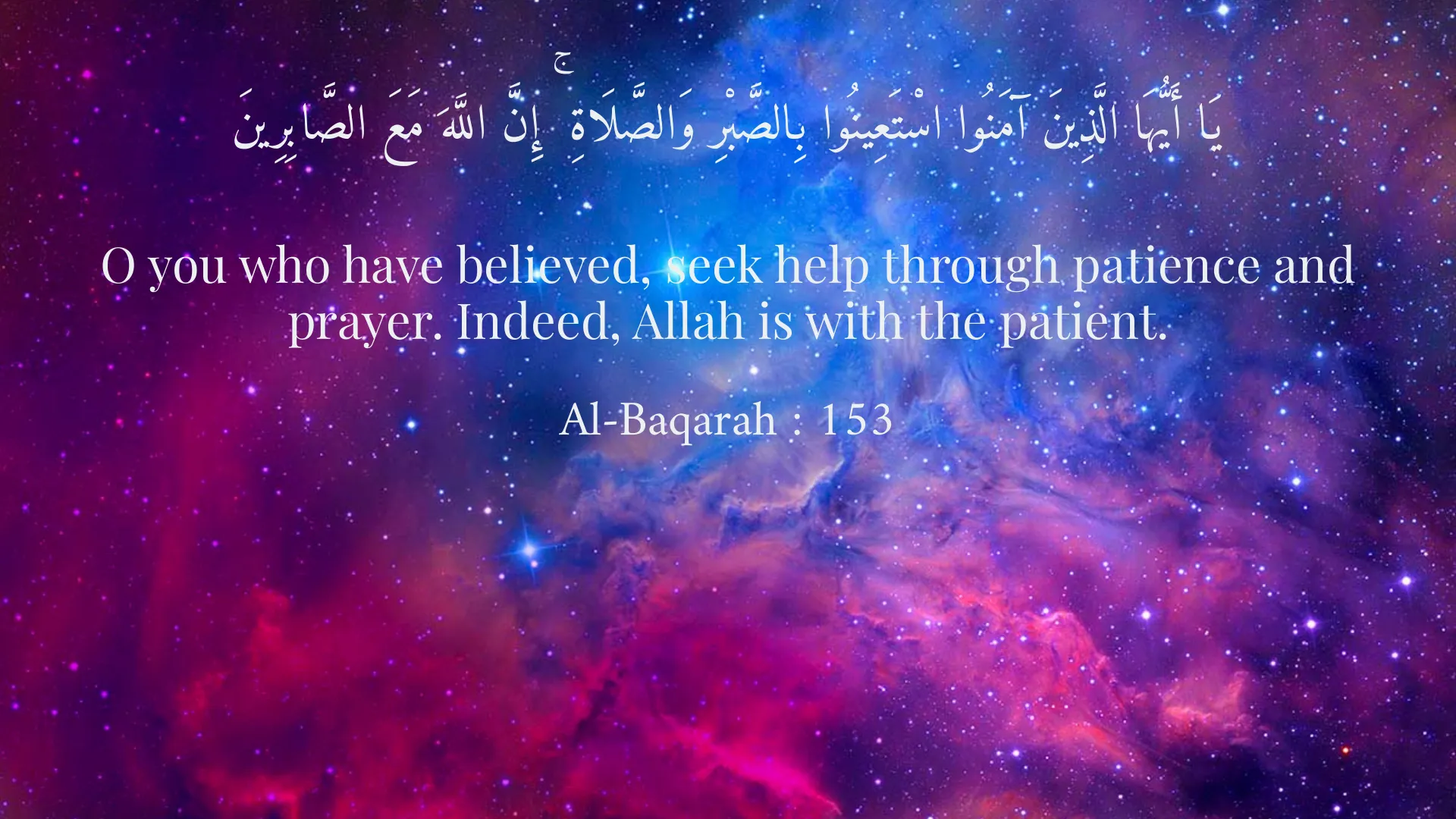
يَا أَيُّهَا الَّذِينَ آمَنُوا اسْتَعِينُوا بِالصَّبْرِ وَالصَّلَاةِ ۚ إِنَّ اللَّهَ مَعَ الصَّابِرِينَ
O you who have believed, seek help through patience and prayer. Indeed, Allah is with the patient.
Al-Baqarah : 153
قُلْ يَا عِبَادِيَ الَّذِينَ أَسْرَفُوا عَلَىٰ أَنفُسِهِمْ لَا تَقْنَطُوا مِن رَّحْمَةِ اللَّهِ ۚ إِنَّ اللَّهَ يَغْفِرُ الذُّنُوبَ جَمِيعًا ۚ إِنَّهُ هُوَ الْغَفُورُ الرَّحِيمُ
Say, 'O My servants who have transgressed against themselves [by sinning], do not despair of the mercy of Allah. Indeed, Allah forgives all sins. Indeed, it is He who is the Forgiving, the Merciful.'
Az-Zumar : 53
فَإِنَّ مَعَ الْعُسْرِ يُسْرًا
For indeed, with hardship [will be] ease.
Al-Inshirah : 5
إِنَّ مَعَ الْعُسْرِ يُسْرًا
Indeed, with hardship [will be] ease.
Al-Inshirah : 6
وَمَن يَتَوَكَّلْ عَلَى اللَّهِ فَهُوَ حَسْبُهُ ۚ إِنَّ اللَّهَ بَالِغُ أَمْرِهِ ۚ قَدْ جَعَلَ اللَّهُ لِكُلِّ شَيْءٍ قَدْرًا
And whoever relies upon Allah - then He is sufficient for him. Indeed, Allah will accomplish His purpose. Allah has already set for everything a [decreed] extent.
At-Talaq : 3
Short Story
It is narrated that a king, in a barren and waterless desert, was close to perishing from intense thirst, and could find no water. Despair had overcome him. At that moment, a dervish arrived, and seeing the king's state, said warmly: 'O King! In these hardships, only the remembrance of God brings peace to hearts, and His mercy is boundless.' The king, with a strained voice, pleaded: 'Water, water!' The dervish smiled and said: 'The Lord who brought you this far is not incapable of providing even a sip of water, provided you entrust your heart to Him and do not despair of His mercy.' The king was roused by the dervish's words and placed his full trust in God. No sooner had the dervish spoken than a spring miraculously gushed forth from beneath the king's feet, saving him from perishing. From that day on, the king never despaired of divine mercy in difficulties, knowing that 'in despair, there is much hope; the end of the dark night is bright.'