Quranic Answer
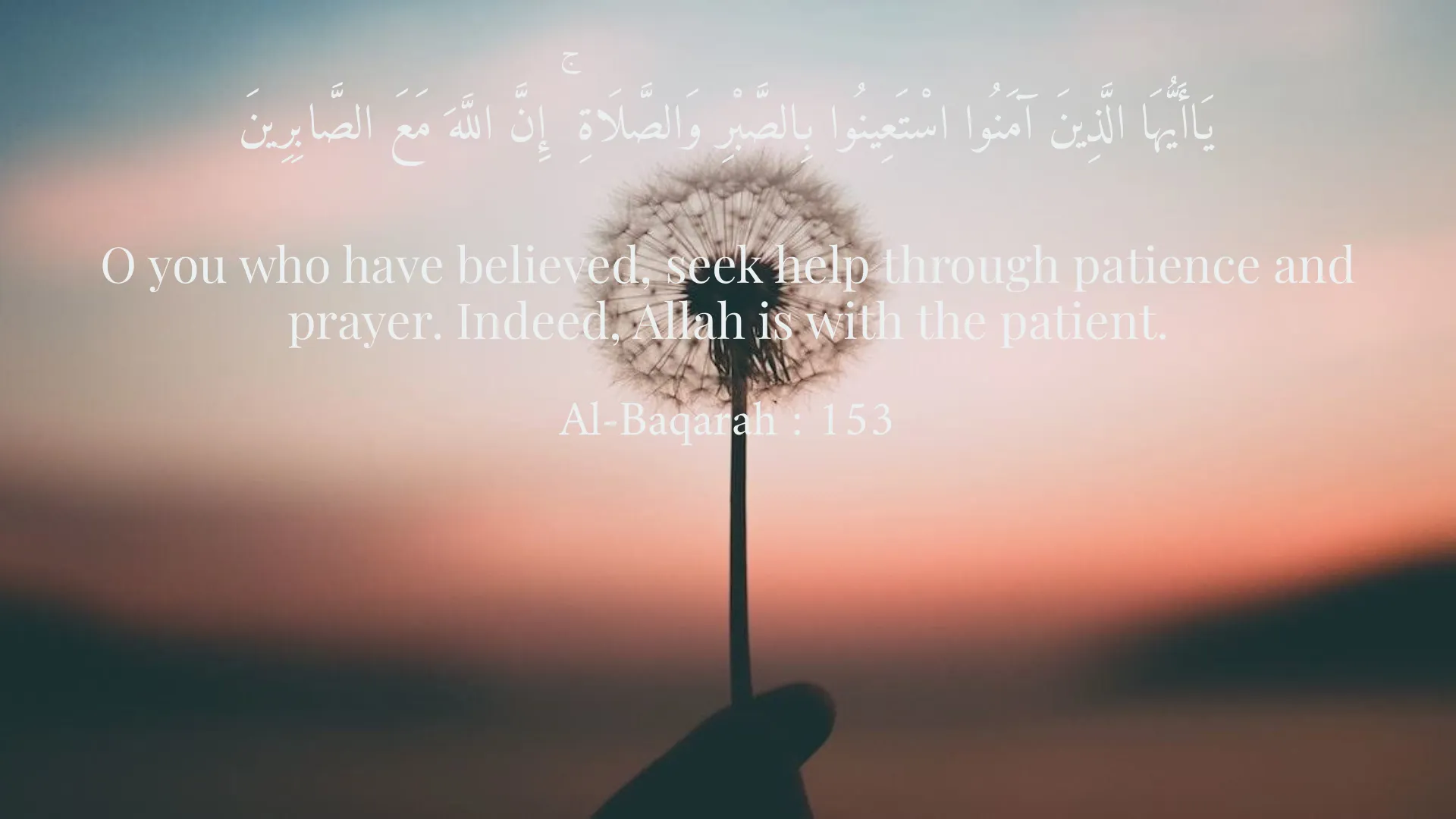
Maintaining a positive spirit alongside religious thinking is not only possible but inherently intertwined within Islamic and Quranic teachings. Islam, contrary to some misconceptions, is built upon principles of hope, reliance on God, patience, gratitude, and a constructive outlook on life. The verses of the Holy Quran and the tradition of the Prophet Muhammad (PBUH) are replete with guidelines that help believers navigate challenges and difficulties with a strong, calm, and hopeful spirit. True religious thought guides an individual towards optimism, contentment, and acceptance of divine wisdom, freeing them from despair, fear, and unnecessary anxiety. One of the most crucial Quranic concepts that helps maintain a positive spirit is 'Tawakkul' (reliance on God). Tawakkul means complete trust in God's plan and will. When a person believes that God is All-Wise, All-Knowing, and Most Merciful, and that nothing happens without His permission, their heart finds peace. In Surah At-Talaq, verse 3, it states: "And whoever relies upon Allah – He is sufficient for him. Indeed, Allah will accomplish His purpose. Allah has already set for everything a [decreed] extent." This verse assures the believer that if they entrust their affairs to God, He will provide the best way for them. This belief eliminates the anxiety stemming from an unknown future and replaces it with tranquility and assurance. This reliance does not mean abandoning effort; rather, it means putting in effort and then entrusting the outcome to God, which itself leads to reduced stress and increased resilience. Another vital concept is 'Sabr' (patience). Patience in the Quran is not merely enduring hardship but also includes steadfastness in upholding truth, perseverance in worship, and self-restraint against sins. In Surah Al-Baqarah, verse 153, it states: "O you who have believed, seek help through patience and prayer. Indeed, Allah is with the patient." This verse highlights that patience and prayer are two fundamental pillars for overcoming difficulties and maintaining inner peace. Prayer is a direct connection to the Creator and a source of spiritual energy, while patience is the ability to withstand pressure without losing hope and serenity. When a person knows that Allah is with the patient, they do not feel alone even in the most difficult circumstances and remain hopeful for the divine reward of their perseverance. 'Gratitude' (Shukr) is also another key to a positive spirit. The Quran repeatedly emphasizes the importance of being grateful for divine blessings. In Surah Ibrahim, verse 7, it is stated: "If you are grateful, I will surely increase you [in favor]; but if you deny, indeed, My punishment is severe." Gratitude not only leads to an increase in blessings but also shifts an individual's mindset from focusing on deficiencies and what they lack to appreciating what they have and the abundance around them. This change in perspective immediately strengthens a sense of contentment and optimism in the individual. When a person focuses on the opportunities and blessings around them instead of problems, their spirit naturally becomes more positive. This mental exercise helps them to see the beauty and divine favors in their daily lives. Furthermore, the Holy Quran strongly prohibits 'despair' (Qunut). Despair is considered a major sin and a sign of an incorrect understanding of the Lord. In Surah Az-Zumar, verse 53, it says: "Say, 'O My servants who have transgressed against themselves [by sinning], do not despair of the mercy of Allah. Indeed, Allah forgives all sins. Indeed, it is He who is the Forgiving, the Merciful.'" This verse is a powerful message of boundless divine hope and mercy. Even at the height of sin and error, the door to repentance and return to God is open. This attitude applies not only to sins but also to worldly failures and setbacks. A believer knows that there is no absolute end and that there is always a way to compensate and return, and this hope is the fuel for their positive spirit. Moreover, 'Dhikr' (remembrance of Allah) brings tranquility to hearts. In Surah Ar-Ra'd, verse 28, we read: "Unquestionably, by the remembrance of Allah hearts are assured." Dhikr is not merely repeating litanies but a constant reminder of God's presence in life, His power, His mercy, and our dependence on Him. This continuous remembrance strengthens a sense of inner security and peace, helping the individual maintain their internal equilibrium amidst life's chaos and stay away from anxiety and distress. Correct religious thinking teaches us that difficulties and hardships are also part of the divine tradition for human growth and testing. Every problem is an opportunity for growth, gaining experience, and drawing closer to God. This perspective transforms problems from threats into opportunities, empowering individuals to approach them constructively. This deep faith not only prevents despair but also paves the way for spiritual growth and elevation. In conclusion, a positive spirit and religious thinking are not only compatible but complementary. Sound religious thought provides a firm foundation for optimism, resilience, and hope, and a positive spirit is the manifestation of this faith in daily life. By practicing these principles, one can achieve true peace and joy rooted in the depths of the heart and connection with the Creator of existence.
Related Verses
يَاأَيُّهَا الَّذِينَ آمَنُوا اسْتَعِينُوا بِالصَّبْرِ وَالصَّلَاةِ ۚ إِنَّ اللَّهَ مَعَ الصَّابِرِينَ
O you who have believed, seek help through patience and prayer. Indeed, Allah is with the patient.
Al-Baqarah : 153
وَمَن يَتَوَكَّلْ عَلَى اللَّهِ فَهُوَ حَسْبُهُ ۚ إِنَّ اللَّهَ بَالِغُ أَمْرِهِ ۚ قَدْ جَعَلَ اللَّهُ لِكُلِّ شَيْءٍ قَدْرًا
And whoever relies upon Allah – He is sufficient for him. Indeed, Allah will accomplish His purpose. Allah has already set for everything a [decreed] extent.
At-Talaq : 3
قُلْ يَا عِبَادِيَ الَّذِينَ أَسْرَفُوا عَلَىٰ أَنفُسِهِمْ لَا تَقْنَطُوا مِن رَّحْمَةِ اللَّهِ ۚ إِنَّ اللَّهَ يَغْفِرُ الذُّنُوبَ جَمِيعًا ۚ إِنَّهُ هُوَ الْغَفُورُ الرَّحِيمُ
Say, 'O My servants who have transgressed against themselves [by sinning], do not despair of the mercy of Allah. Indeed, Allah forgives all sins. Indeed, it is He who is the Forgiving, the Merciful.'
Az-Zumar : 53
Short Story
One day, a dervish with a bowed head and tearful face was passing by a garden. The gardener saw him and asked, "My friend, what troubles you so? Has the world come to an end for you?" The dervish sighed and said, "I worry about my future, how it will unfold." The gardener, with a kind smile, replied, "Brother, have you forgotten reliance on God? Look at this very garden; we sow the seeds, but their growth and fruitfulness are from God. We strive, but the outcome is in His hands. If every morning, instead of worrying about the future, you entrust your heart to the Creator and know that He is the Sustainer and the Merciful, your heart will find peace and your spirit will be joyful." The dervish pondered these words and realized the gardener was right. From then on, he turned to reliance on God and understood that true peace lies in faith and accepting divine wisdom, and a positive spirit is a gift bestowed upon one with this belief.