Quranic Answer
In our fast-paced and complex world, many individuals grapple with a fundamental question: Is it truly possible to maintain a deep and lasting connection with God amidst the clamor, technology, economic pressures, social anxieties, and material pursuits? The Quran's unequivocal answer to this query is a resounding 'Yes.' The Holy Quran not only affirms the possibility but also elucidates the necessity and profound blessings of such a life, regardless of the era or geographical location. Living with God in today's world does not imply retreating from worldly affairs or shunning human progress; rather, it signifies living with a perpetual awareness and presence of the Almighty in all facets of one's being and daily activities. This intrinsic presence and profound consciousness serve as the bedrock for tranquility, purpose, and meaning in a world that frequently feels adrift in emptiness and lack of direction, often leading individuals towards delusion and anxiety. In fact, the more complex and challenging the material world becomes, the greater the need for spiritual roots and a connection with the Creator of the universe to maintain mental well-being and a correct sense of direction. The Quran repeatedly emphasizes the critical importance of 'Dhikr Allah,' which refers to the constant remembrance and invocation of God. Dhikr is not merely the recitation of words but encompasses a profound presence of heart and an acute awareness of God's existence and power at every moment. In Surah Ar-Ra'd, verse 28, we read: "Those who believe and whose hearts find comfort in the remembrance of Allah. Unquestionably, by the remembrance of Allah hearts are assured." This pivotal verse reveals that true tranquility in human hearts can only be attained through a connection with the infinite source of divine power and mercy. In today's world, where stress, anxiety, and psychological pressures have become an integral part of daily life, Dhikr Allah acts as an anchor, steadying the ship of one's existence amidst life's tumultuous waves. This inner peace enables individuals to maintain their composure and balance when encountering challenges, joys, successes, and setbacks, preventing them from straying from the divine path. This remembrance can take the form of formal acts of worship such as Salah (prayer), Quran recitation, and supplication, and it can also flow informally and continuously through all life activities, from work and study to social relationships and even recreation. Indeed, any activity performed with pure intention and awareness of God's presence is considered a form of remembrance, helping a person to live with God at every moment, integrating spirituality into the fabric of daily existence, making even mundane tasks acts of devotion. 'Taqwa,' or God-consciousness and piety, is a foundational Quranic concept that serves as a timeless guide for living with God. Taqwa encompasses abstaining from prohibitions and fulfilling obligations, but beyond that, it signifies a deep sense of responsibility towards God and an awareness of His constant oversight of all actions and intentions. In Surah Al-Imran, verse 102, it states: "O you who have believed, fear Allah as He should be feared and do not die except while you are Muslims." In today's world, Taqwa translates into ethical behavior in online spaces, upholding the rights of others in complex financial transactions, refraining from slander and backbiting in social interactions, maintaining chastity in a society where moral values are often eroded, and upholding justice and fairness even in fiercely competitive environments. A person imbued with Taqwa will consistently make the most ethical and sound choices, even in the absence of external oversight, precisely because of their awareness of God's presence. This way of life not only brings inner peace but also earns the trust and respect of others. Indeed, Taqwa acts as an internal operating system that helps individuals make correct decisions based on divine values, regardless of external pressures. This self-control and internal accountability are vitally important for success in today's complex and competitive world, allowing individuals to operate within the worldly sphere while safeguarding themselves from its corrupting influences and maintaining spiritual integrity. Salah (prayer), as the pillar of Islam and a primary means of connecting with the Almighty, plays a central role in 'living with God.' The Quran, in Surah Al-Ankabut, verse 45, declares: "Recite what has been revealed to you of the Book and establish prayer. Indeed, prayer prohibits immorality and wrongdoing, and the remembrance of Allah is greater. And Allah knows that which you do." In today's busy world, performing Salah at prescribed times offers a vital opportunity to pause, reflect, and renew one's covenant with the Lord. These five daily pauses prevent individuals from becoming entirely consumed by materialism and forgetting the ultimate purpose of life. Prayer is not merely a ritualistic act but a continuous exercise in mindfulness and focusing on the Creator of the universe. Even amidst demanding work schedules and family life, one can, with planning and commitment, carve out time for Salah and reap its immense blessings. Prayer helps individuals distance themselves from worldly concerns five times a day, revitalizing their souls with the remembrance of God. Beyond formal prayers, the recitation of the Quran and pondering its verses open a gateway to divine light and a deeper understanding of the meaning of life. Every Quranic verse can serve as guidance for contemporary challenges, directing the human heart and mind toward truth. Deepening one's connection with the Divine Word empowers individuals to stand firm against the onslaught of doubts and unfounded theories of the present age, and to defend their faith with conviction and clarity. Furthermore, the concept of 'Tawakkul' (reliance on God) in the Quran is an essential strategy for navigating the uncertainties and pressures of the modern world. In a world fraught with numerous uncertainties, where the future often appears daunting and unpredictable, Tawakkul signifies exerting all possible effort and then entrusting the outcome to God's divine will. This prevents despair in the face of setbacks and arrogance in the wake of success. The Quran encourages humanity to work and strive, yet it concurrently reminds us that ultimate power and true governance belong to God alone. This profound trust in God bestows deep tranquility upon the individual, liberating them from the heavy burden of excessive worry. Living with God in today's world also means implementing Quranic ethics in all aspects of life. Justice, honesty, patience, forgiveness, kindness to parents and neighbors, respecting the rights of others, and avoiding extravagance and waste are all Quranic teachings that can guide today's society toward prosperity and well-being. A committed Muslim in today's world can serve as a role model of ethics and spirituality, even while working in the most advanced fields of science and technology. Such a person can demonstrate that knowledge and faith are not in contradiction but are complementary, and that material progress without spiritual growth will remain incomplete and potentially dangerous. The Quran presents a model of balanced living where this world and the hereafter, material and spiritual aspects, knowledge and ethics, all align on a divine path. This comprehensive perspective enables individuals to enjoy worldly provisions without neglecting their path of spiritual perfection and growth. Thus, living with God is not only possible but is the sole path to lasting happiness and true meaning in our complex and ever-changing contemporary world. This way of life empowers individuals to resist modern temptations and deviations while being productive and beneficial members of their communities. Embracing this lifestyle requires commitment, continuous self-purification, and strong faith, but its rewards—inner peace, purpose, and true happiness—are unparalleled and invaluable, helping individuals not just to survive, but to truly live and progress on the path of servitude and closeness to God.
Related Verses
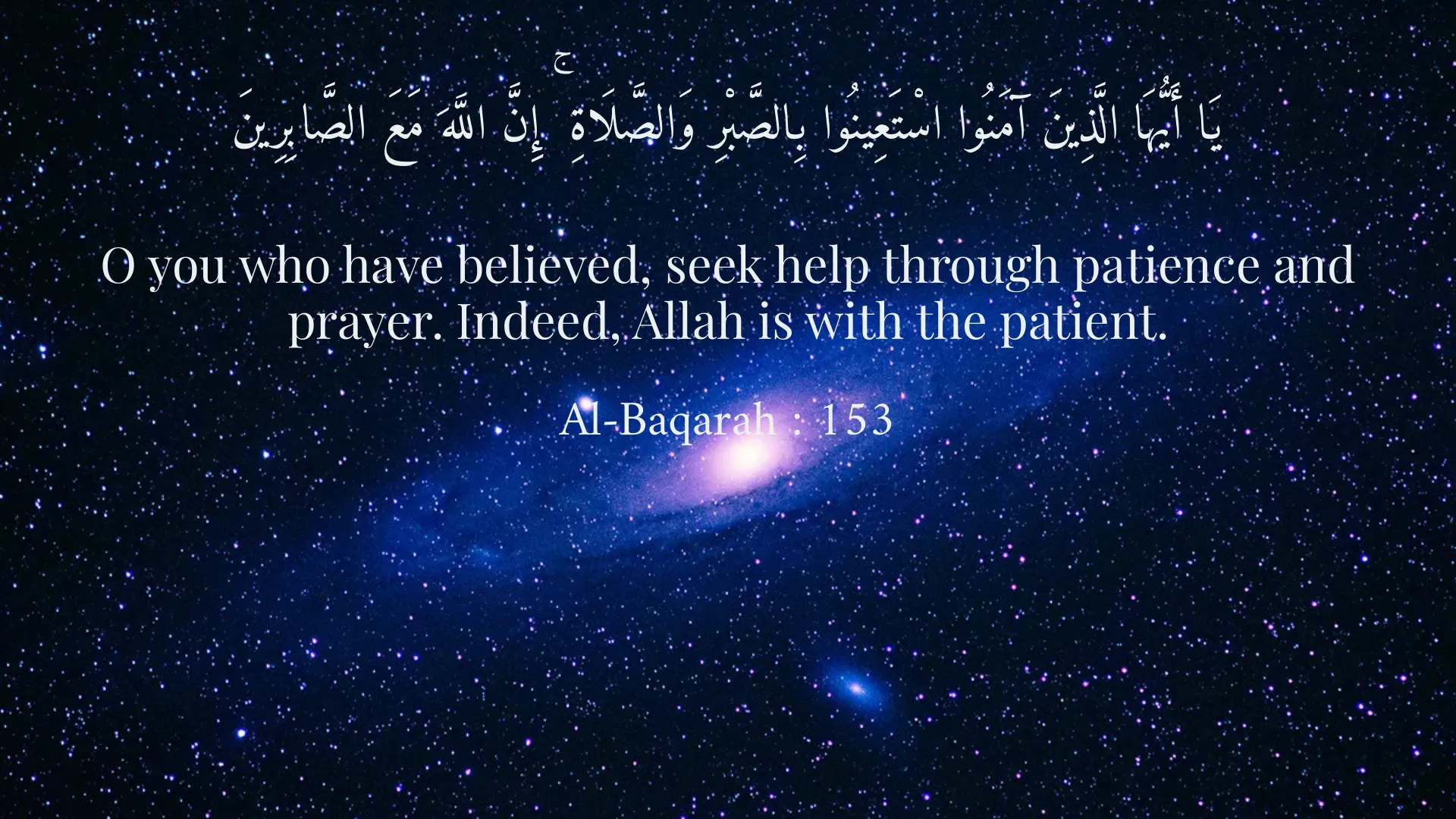
يَا أَيُّهَا الَّذِينَ آمَنُوا اسْتَعِينُوا بِالصَّبْرِ وَالصَّلَاةِ ۚ إِنَّ اللَّهَ مَعَ الصَّابِرِينَ
O you who have believed, seek help through patience and prayer. Indeed, Allah is with the patient.
Al-Baqarah : 153
الَّذِينَ آمَنُوا وَتَطْمَئِنُّ قُلُوبُهُم بِذِكْرِ اللَّهِ ۗ أَلَا بِذِكْرِ اللَّهِ تَطْمَئِنُّ الْقُلُوبُ
Those who believe and whose hearts find comfort in the remembrance of Allah. Unquestionably, by the remembrance of Allah hearts are assured.
Ar-Ra'd : 28
اتْلُ مَا أُوحِيَ إِلَيْكَ مِنَ الْكِتَابِ وَأَقِمِ الصَّلَاةَ ۖ إِنَّ الصَّلَاةَ تَنْهَىٰ عَنِ الْفَحْشَاءِ وَالْمُنكَرِ ۗ وَلَذِكْرُ اللَّهِ أَكْبَرُ ۗ وَاللَّهُ يَعْلَمُ مَا تَصْنَعُونَ
Recite what has been revealed to you of the Book and establish prayer. Indeed, prayer prohibits immorality and wrongdoing, and the remembrance of Allah is greater. And Allah knows that which you do.
Al-Ankabut : 45
Short Story
Once upon a time, a king approached Sheikh Sa'di Shirazi and inquired, "O master of words, the world is filled with worries and temptations. How can one keep their heart with God amidst this tumult?" Sa'di smiled and replied, "I saw a dervish in the merchants' quarter, counting bags of gold with longing eyes. I asked him, 'O dervish, what concern is this wealth to you?' He replied, 'My body is in the marketplace, but my heart is in the mosque, constantly remembering God. But O King, you who sit in your palace, perhaps your body is in the palace, but your heart pursues worldly riches. The lesson is that for living with God, the place is not the condition, but the state of the heart. Just as a merchant can keep God in their heart amidst transactions and not deviate from truthfulness and fairness, you too, on your throne, can treat your subjects with justice and kindness and not banish the remembrance of God from your heart. Living with God is not about abandoning the world, but about living with awareness of His presence at every moment.' The king found deep peace from this wise saying and understood that one can live with God in any station.