Quranic Answer
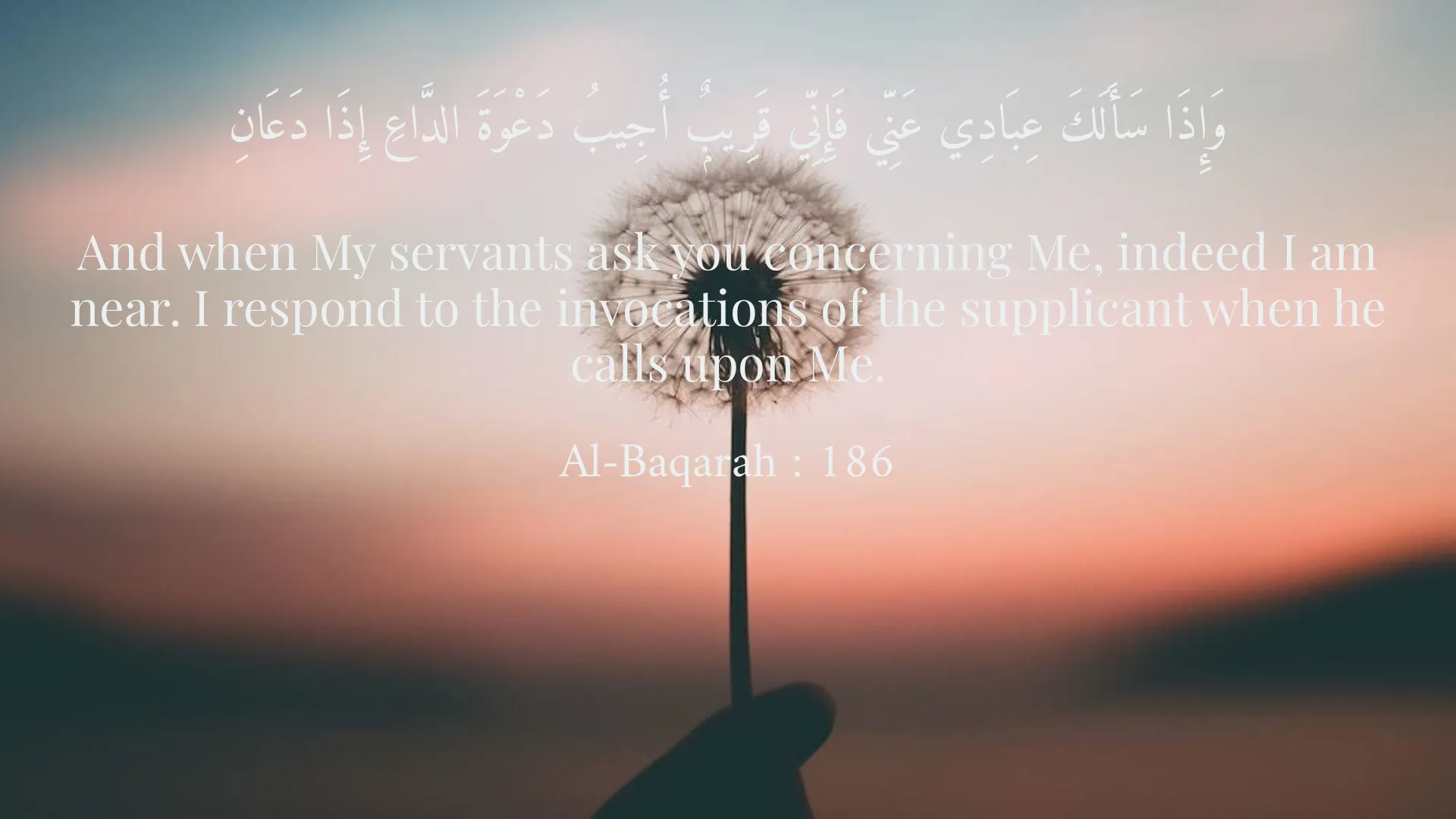
The Holy Quran, revered as the ultimate guidance for humanity by Muslims, offers profound insights and recommendations for achieving true happiness. Through its verses, the Quran addresses various aspects of human life, providing a comprehensive framework that leads to both spiritual and worldly contentment. At the heart of these recommendations lies the emphasis on strengthening one’s faith and continuously maintaining a close relationship with God. One of the most powerful verses that encapsulates this principle can be found in Surah Al-Baqarah, verse 186: 'And when My servants ask you concerning Me, indeed I am near. I respond to the invocations of the supplicant when he calls upon Me.' This verse profoundly reassures the believers of God’s proximity and readiness to respond to their prayers, emphasizing the importance of reliance on God during every moment of our lives. In a fast-paced world filled with challenges, distractions, and uncertainties, this divine promise encourages individuals to not overlook the significance of prayer and remembering their Creator. It reminds them that no matter the circumstances - be it moments of despair or joy - turning towards God can provide inner peace and guidance. This submission fosters a sense of security and happiness in its followers, who learn to entrust their worries and aspirations to God. Furthermore, dependence on divine guidance can transform an individual’s outlook on life, leading to a unique amalgamation of hope and tranquility. In addition to reliance on God, patience and gratitude are significant virtues highlighted throughout the Quran. As illustrated in Surah Abasa, verse 18, which states: 'Let him go to his people if they invite him to the cause,' believers are encouraged to endure hardships and remain grateful for the blessings bestowed upon them. The Quran teaches that true patience is not just passive endurance but a positive acceptance of life’s trials, paired with an acknowledgment of God’s wisdom behind every situation. Thus, cultivating gratitude is essential for achieving contentment; it enables individuals to focus on the positive aspects of life rather than dwelling on difficulties. Practicing gratitude involves recognizing and appreciating the myriad of blessings - both big and small - that one experiences daily. When a person consciously chooses gratitude, it cultivates a mindset that is conducive to happiness. The psychological benefits of gratitude include enhanced mood, reduced stress, and improved resilience. Hence, the Quranic teachings encourage believers to forge their own paths to happiness by embracing and expressing gratitude in their lives. At its core, the Quran also emphasizes the spirit of cooperation and the importance of serving others. The notion of community is integral to the Islamic faith, and this sense of belonging contributes significantly to individual and collective happiness. In Surah Al-Mu'minun, verse 10, Allah declares: 'And they who are for their prayer are constant.' This constant engagement in prayer serves not only as a spiritual exercise but also fuels philanthropic acts and charitable endeavors. Helping the needy and upliftment of those less fortunate not only pleases God but also creates bonds among community members, fostering a spirit of unity and care. Moreover, the act of giving and charity has a profound impact on one’s happiness. Studies have shown that altruistic behavior can lead to increased overall well-being. By assisting others, individuals generate feelings of satisfaction and fulfillment. Engaging in sincere acts of kindness reinforces the interconnectedness of society, ultimately leading to a more compassionate community. In turbulent times, offering assistance can prove to be a source of joy, fostering resilience and hope in both the giver and the receiver. Fundamentally, the Quran calls upon humanity to uphold moral values, to behave well, and to treat others with kindness and respect. Each interaction, characterized by empathy and compassion, can significantly enhance one’s own sense of happiness. The teachings of the Quran serve as a constant reminder that life is not just an individual journey but a collective experience shared with fellow beings. Acts of kindness create a ripple effect, spreading joy and positivity in society. When individuals prioritize kindness and respect towards others, they cultivate a nurturing environment that enhances their overall happiness and opens pathways for deeper connections. In conclusion, the quest for happiness in the Holy Quran is multi-faceted, interweaving themes of faith, patience, gratitude, service to others, and moral conduct. These core principles teach that lasting happiness stems not only from one’s relationship with God but also from fostering meaningful relationships with others and appreciating life's blessings. By adhering to these recommendations, individuals can navigate through life’s challenges, finding joy and fulfillment not just in personal achievements but in the bonds they create and the good they contribute to the world around them. Thus, according to the Quran, true happiness lies inherently in maintaining a close connection with God, being patient in the face of trials, embodying gratitude, and practicing kindness towards others.
Related Verses
وَإِذَا سَأَلَكَ عِبَادِي عَنِّي فَإِنِّي قَرِيبٌۭ أُجِيبُ دَعْوَةَ الدَّاعِ إِذَا دَعَانِ
And when My servants ask you concerning Me, indeed I am near. I respond to the invocations of the supplicant when he calls upon Me.
Al-Baqarah : 186
فَلْيَذْهَبْ إِلَى هَلْ أَنتُمْ مُدَّعُونَ إِلَى السَّبَبِ
Let him go to his people if they invite him to the cause.
Abasa : 18
وَالَّذِينَ هُمْ لِلزَّكَاةِ فَاعِلُونَ
And they who are for their prayer are constant.
Al-Mu'minun : 10
Short Story
Once upon a time, Zahra was a young girl searching for the secret of happiness. She was chatting with her friends about life and happiness when one of them said, 'Zahra, read the Quran; it has answers to all life's questions.' Zahra decided to read the verses of the Quran and act upon its recommendations. After a while, she realized that by strengthening her faith, helping others, and practicing gratitude, she truly felt happy.