Quranic Answer
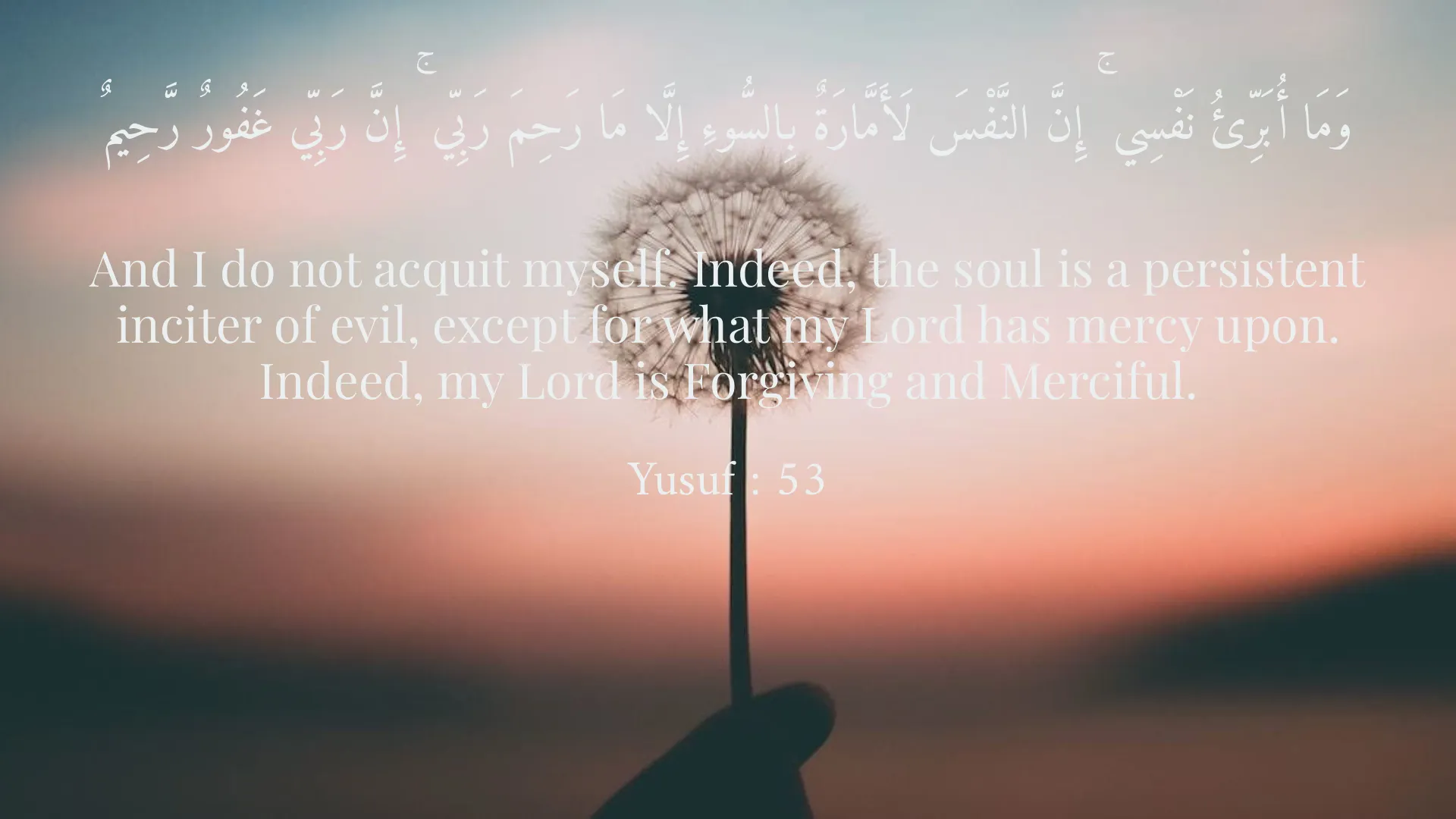
The feeling of being carefree or heedless, even with a deep understanding of religion and its teachings, is a common human experience rooted deeply in human nature and the challenges of worldly life. The Holy Quran addresses this spiritual state in various ways and offers practical solutions to overcome it. This inclination towards heedlessness, which in Quranic terminology can be called 'ghaflah,' is not merely a weakness in understanding, but rather a sign of the human being's inner struggle with their own self and external temptations. This state, paradoxically, presents an opportunity for spiritual growth and a deepening of one's connection with the Divine. One of the primary reasons for this feeling is the presence of the 'nafs al-ammarah bi'l-su'' (the self that incites to evil) within us. This aspect of our being inclines us towards transient pleasures, comfort, and a departure from difficulties and responsibilities. The Quran, in Surah Yusuf, verse 53, states: "And I do not acquit myself. Indeed, the soul is a persistent inciter of evil, except for what my Lord has mercy upon. Indeed, my Lord is Forgiving and Merciful." This verse clearly indicates that the inclination towards ease, laxity, or heedlessness is inherent in human nature, and overcoming it requires divine mercy and assistance. This is an ongoing struggle that a believer must contend with throughout their life. Another factor is the whispers of Satan. Satan (Iblis) constantly strives to divert humanity from the straight path, leading them towards heedlessness and neglect of religious and ethical duties. He beautifies worldly matters and diminishes the importance of the Hereafter, attempting to make people forget God. The Quran refers to Satan's temptations in multiple verses, for instance, in Surah Al-Baqarah, verse 168: "O mankind, eat from what is lawful and good on the earth and do not follow the footsteps of Satan. Indeed, he is to you a clear enemy." Satan, through false promises and prolonged hopes, encourages individuals to procrastinate repentance and good deeds. The love for and allure of the worldly life (dunya) is also one of the most significant causes of heedlessness. The Quran repeatedly emphasizes the fleeting nature and deceptive charm of worldly life. In Surah Al-Hadid, verse 20, it states: "Know that the life of this world is only play and amusement, an adornment and boasting to one another, and competition in increase of wealth and children..." When an individual becomes engrossed in worldly pleasures and preoccupations, they may lose sight of their ultimate purpose of creation and become negligent regarding their religious responsibilities. This preoccupation with the world creates a veil between the human being and truth, causing real life priorities to be overlooked. To counter this inclination towards heedlessness and negligence, the Quran offers comprehensive and practical solutions: 1. Constant Remembrance of Allah (Dhikr): The primary remedy is persistent remembrance of God. Dhikr is not merely uttering invocations but encompasses a continuous awareness of God's presence in one's life and attentiveness to His commands and prohibitions. In Surah Ar-Ra'd, verse 28, we read: "Those who have believed and whose hearts are assured by the remembrance of Allah. Unquestionably, by the remembrance of Allah hearts are assured." Remembering God keeps the heart alive and prevents it from falling into the trap of heedlessness. 2. Establishing Prayer (Salat): Prayer is the pillar of faith and the ascension of the believer. Prayer, performed with presence of heart, restrains one from indecency and wrongdoing and strengthens one's bond with Allah. In Surah Al-Ankabut, verse 45, it states: "...And establish prayer. Indeed, prayer prohibits immorality and wrongdoing, and the remembrance of Allah is greater. And Allah knows that which you do." The five daily prayers are opportunities to renew one's covenant and cleanse oneself from the dust of heedlessness. 3. Reflection (Tadabbur) on Divine Verses and Signs of Creation: Contemplation of the Quran and the universe deepens human insight and makes one more aware of the Creator's grandeur and the purpose of creation. This awareness fosters greater motivation to walk the path of truth and reduces heedlessness. In Surah Az-Zumar, verse 9, it states: "...Only those of understanding will remember.". 4. Keeping Good Company: Associating with righteous and pious individuals guides one towards goodness and prevents immersion in heedlessness. Our immediate environment significantly influences our spiritual inclinations. 5. Remembering Death and the Hereafter: Recalling the reality of death and the life thereafter is the most powerful factor in freeing oneself from heedlessness and taking life and its responsibilities seriously. The Quran repeatedly invites humanity to remember the Day of Accountability and the recompense for deeds. 6. Repentance (Tawbah) and Seeking Forgiveness (Istighfar): Whenever one succumbs to heedlessness or a lapse, the door of repentance is always open. Returning to God and seeking forgiveness purifies the heart and instills a fresh spirit for progress. Ultimately, this inclination towards heedlessness is an ongoing struggle and a sign of a dynamic spiritual journey rather than a fixed flaw. By seeking Allah's help, relying on the teachings of the Quran and Prophet Muhammad (peace be upon him), and striving continuously for self-purification, one can overcome this state and experience a life of purpose, tranquility, and divine pleasure. This process is achievable step by step, with patience and perseverance.
Related Verses
وَمَا أُبَرِّئُ نَفْسِي ۚ إِنَّ النَّفْسَ لَأَمَّارَةٌ بِالسُّوءِ إِلَّا مَا رَحِمَ رَبِّي ۚ إِنَّ رَبِّي غَفُورٌ رَّحِيمٌ
And I do not acquit myself. Indeed, the soul is a persistent inciter of evil, except for what my Lord has mercy upon. Indeed, my Lord is Forgiving and Merciful.
Yusuf : 53
الَّذِينَ آمَنُوا وَتَطْمَئِنُّ قُلُوبُهُم بِذِكْرِ اللَّهِ ۗ أَلَا بِذِكْرِ اللَّهِ تَطْمَئِنُّ الْقُلُوبُ
Those who have believed and whose hearts are assured by the remembrance of Allah. Unquestionably, by the remembrance of Allah hearts are assured.
Ar-Ra'd : 28
اتْلُ مَا أُوحِيَ إِلَيْكَ مِنَ الْكِتَابِ وَأَقِمِ الصَّلَاةَ ۖ إِنَّ الصَّلَاةَ تَنْهَىٰ عَنِ الْفَحْشَاءِ وَالْمُنكَرِ ۗ وَلَذِكْرُ اللَّهِ أَكْبَرُ ۗ وَاللَّهُ يَعْلَمُ مَا تَصْنَعُونَ
Recite, [O Muhammad], what has been revealed to you of the Book and establish prayer. Indeed, prayer prohibits immorality and wrongdoing, and the remembrance of Allah is greater. And Allah knows that which you do.
Al-Ankabut : 45
Short Story
It is narrated that in Saadi's time, there was a merchant who possessed vast wealth and enjoyed great prominence and respect. Despite his exceptional intelligence and shrewdness, he would sometimes be overcome by a desire for ease and carelessness, postponing his important tasks until tomorrow. One day, a wise friend said to him, "My dear friend, you who possess such abundant intellect and wisdom, why do you act this way?" The merchant replied, "Our world is so vast, and opportunities are so many, that I believe there will always be time to make up for lost moments." The wise friend smiled and said, "Saadi says: 'Do you know why life passed and you were heedless? Because the thread of control was in the hand of your heedlessness!' Opportunities pass like spring clouds; if you don't attend to your tasks today, you will face sorrow and regret tomorrow." The merchant took heed of this advice and decided never to postpone any task again. Thereafter, he not only became more successful in his business but also found greater peace and happiness in his spiritual life, for he learned that one must always be vigilant and awake, cherishing every moment of life. Carelessness is the hidden thief of happiness, and vigilance is the key to opening every closed door.