Quranic Answer
The feeling of distance from God is an experience many individuals encounter on their spiritual journey. This sensation, in essence, is a sign of a awakening heart and the innate human desire for absolute perfection and the Creator of existence. The Holy Quran constantly emphasizes God's closeness to humanity, clearly stating that Allah is closer to us than our jugular vein. This implies that the source of this perceived distance originates from the human being, not from the Almighty. As stated in Surah Al-Baqarah, verse 186: “And when My servants ask you, [O Muhammad], concerning Me—indeed I am near. I respond to the invocation of the supplicant when he calls upon Me. So let them respond to Me [by obedience] and believe in Me that they may be rightly guided.” This verse explicitly demonstrates that the path to closeness with God is open, requiring only a step forward from humanity. One of the most significant reasons people feel distant from God is heedlessness and forgetfulness of His remembrance (dhikr). In today's busy life, preoccupation with worldly affairs and daily tasks can sometimes cause individuals to lose sight of the primary purpose of creation and their connection to the Originator of existence. The Quran, in Surah Ar-Ra'd, verse 28, states: “Those who have believed and whose hearts are assured by the remembrance of Allah. Unquestionably, by the remembrance of Allah hearts are assured.” This verse indicates that true tranquility and closeness to God depend on His constant remembrance. When God's remembrance is absent from life, the human heart becomes anxious and troubled, gradually feeling distant and lonely. Sins and disobedience are also major obstacles to divine proximity. Every sin acts like a veil between a person and God, diminishing the divine light within the heart. Repentance (Tawbah) and seeking forgiveness (Istighfar) are the ways the Quran introduces to remove these veils and return to God. Allah says in Surah An-Nisa, verse 17: “The acceptance of repentance by Allah is only for those who do evil in ignorance and then repent soon after. It is those to whom Allah will turn in forgiveness, and Allah is ever Knowing and Wise.” This verse gives us hope that even after committing sins, the door to return and forgiveness is always open, provided that repentance is sincere and from the depths of one's being. Excessive attachment to the world and its material pleasures can also cause distance from God. When a person's sole concern is accumulating wealth, gaining status, and indulging in fleeting worldly enjoyments, their heart gradually becomes oblivious to the afterlife and the higher purpose of life. The Quran, in many verses, including Surah Al-Kahf verse 46, points out that wealth and children are merely adornments of worldly life, and enduring good deeds (al-baqiyat as-salihat) hold greater reward and hope with the Lord. This does not mean rejecting the world entirely, but rather not becoming completely engrossed in it and never forgetting the true purpose of creation. To overcome this feeling of distance and achieve divine proximity, many practical ways are mentioned in the Quran and the Prophet's Sunnah: Firstly, diligence in prayer and worship with presence of heart. Prayer is the ascension of the believer and the closest state of a servant to their Lord. Secondly, reciting and contemplating the verses of the Quran. God's word is light; it illuminates the heart and paves the way to divine proximity. Thirdly, sincere supplication and intimate communion with God. God Himself has stated that He is near to those who supplicate and answers their prayers. Fourthly, performing good deeds and serving creation. Being kind to others and assisting the needy are among the best ways to gain divine pleasure and feel closer to Him. Fifth, avoiding sins and continuous repentance. Sixth, reflecting upon creation and the signs of God in the universe. This contemplation makes a person aware of the Creator's greatness and wisdom, strengthening their sense of humility and closeness. Ultimately, it should be understood that feeling distant is not always bad; sometimes, this feeling is a gentle nudge from God, prompting a person to awaken, return from the path of heedlessness, and rush back to Him. This is an invitation, not a rejection. God is always awaiting the return of His servants and welcomes those who repent. Therefore, consider this feeling an opportunity to review your spiritual life and move towards the true Beloved with more steadfast steps.
Related Verses
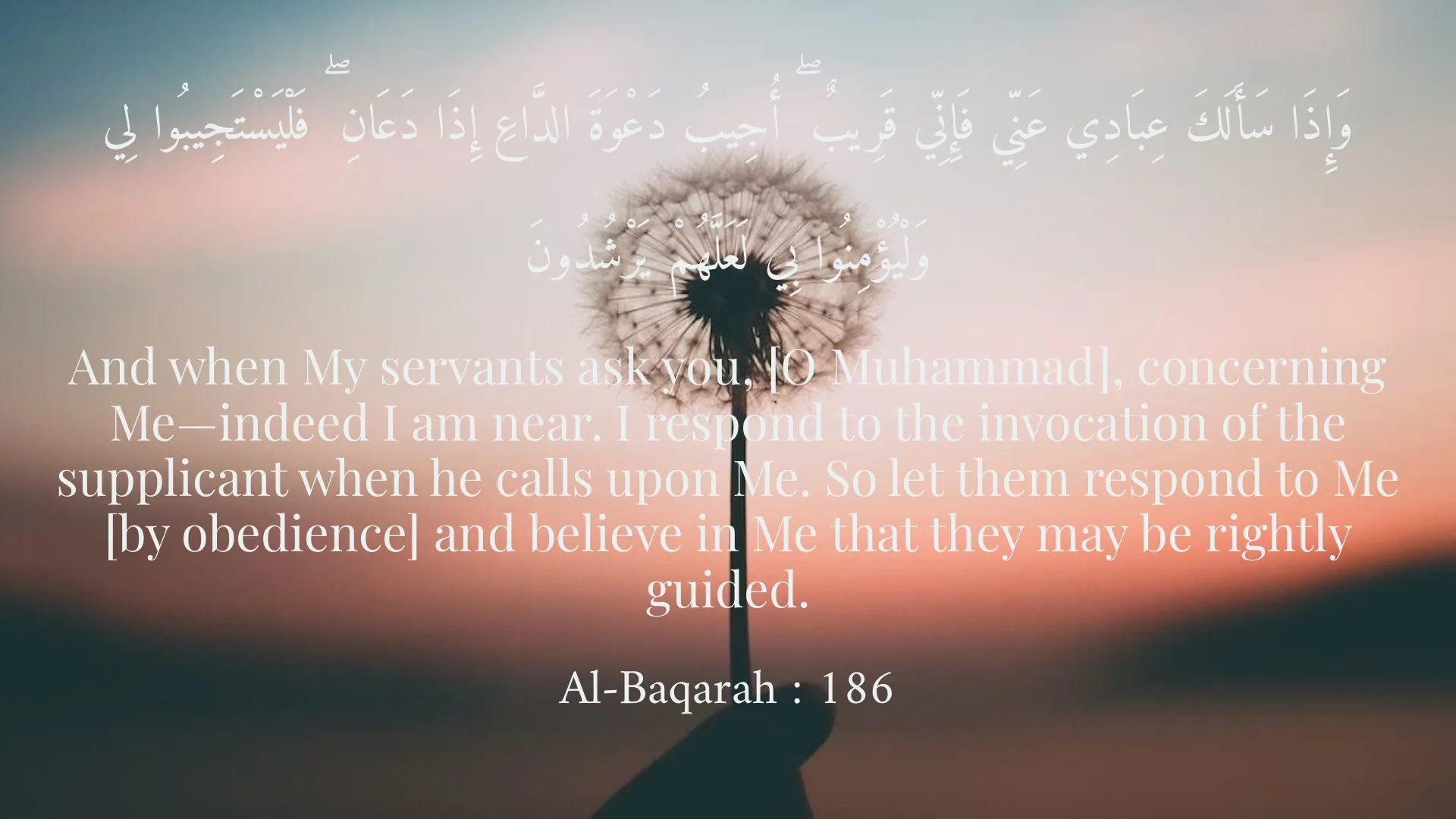
وَإِذَا سَأَلَكَ عِبَادِي عَنِّي فَإِنِّي قَرِيبٌ ۖ أُجِيبُ دَعْوَةَ الدَّاعِ إِذَا دَعَانِ ۖ فَلْيَسْتَجِيبُوا لِي وَلْيُؤْمِنُوا بِي لَعَلَّهُمْ يَرْشُدُونَ
And when My servants ask you, [O Muhammad], concerning Me—indeed I am near. I respond to the invocation of the supplicant when he calls upon Me. So let them respond to Me [by obedience] and believe in Me that they may be rightly guided.
Al-Baqarah : 186
الَّذِينَ آمَنُوا وَتَطْمَئِنُّ قُلُوبُهُم بِذِكْرِ اللَّهِ ۗ أَلَا بِذِكْرِ اللَّهِ تَطْمَئِنُّ الْقُلُوبُ
Those who have believed and whose hearts are assured by the remembrance of Allah. Unquestionably, by the remembrance of Allah hearts are assured.
Ar-Ra'd : 28
إِنَّمَا التَّوْبَةُ عَلَى اللَّهِ لِلَّذِينَ يَعْمَلُونَ السُّوءَ بِجَهَالَةٍ ثُمَّ يَتُوبُونَ مِن قَرِيبٍ فَأُولَٰئِكَ يَتُوبُ اللَّهُ عَلَيْهِمْ ۗ وَكَانَ اللَّهُ عَلِيمًا حَكِيمًا
The acceptance of repentance by Allah is only for those who do evil in ignorance and then repent soon after. It is those to whom Allah will turn in forgiveness, and Allah is ever Knowing and Wise.
An-Nisa : 17
Short Story
In Saadi's Golestan, it is told that there once was a wealthy but restless and anxious king. He encountered a penniless but joyous and serene dervish and, with envy, asked him: "How is it that I, with all this wealth and power, have an unquiet heart, while you, with all this poverty, are so at peace?" The dervish replied with a smile: "O King, the tranquility of the heart depends on liberation from the bonds of the world and its attachments. You are always anxious from the fear of losing what you possess, but since I have nothing to lose, I am immersed in ease and the remembrance of God. My heart is light of every burden, and this lightness brings me closer to the true Beloved." This story reminds us that sometimes the weight of worldly attachments becomes a veil between us and divine peace, making us feel distant.