Quranic Answer
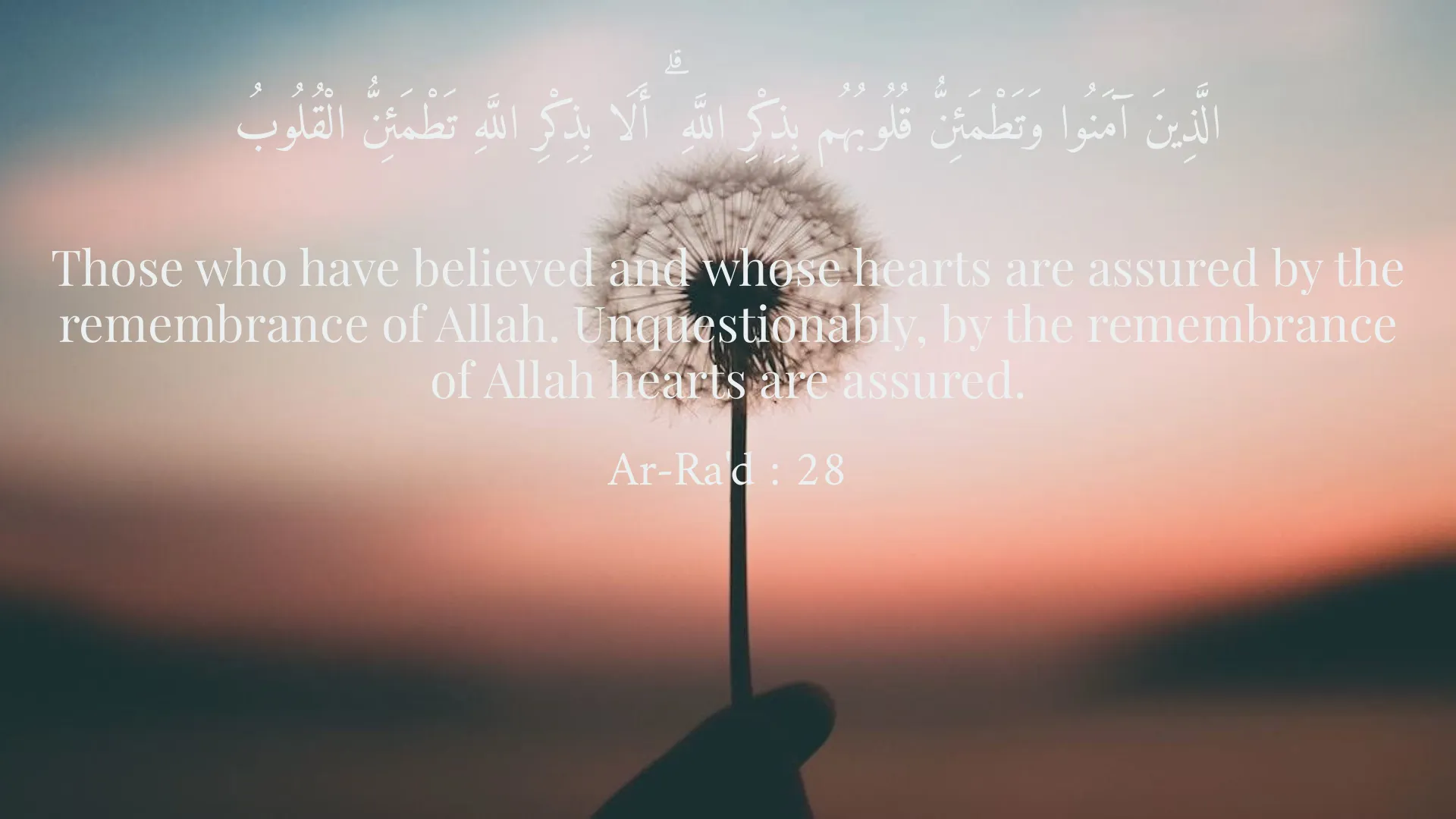
Your question about feeling empty without reason touches upon one of the deepest and most common human experiences, an issue that seems increasingly prevalent in the modern age. While various cultures interpret this feeling differently, from a Quranic perspective, there are specific roots and comprehensive solutions for it. The Holy Quran introduces humanity as beings endowed with a soul and a divine nature, inherently seeking perfection and absolute tranquility. This feeling of emptiness is, in essence, a warning signal from our innate disposition (fitra), indicating that something fundamental is missing in our lives, even if outwardly we seem to possess everything and are materially prosperous. This inner void is directly connected to the spiritual dimension of human existence and often manifests when a person loses sight of their primary purpose of creation, focusing solely on satisfying material and superficial needs. From the Quran's viewpoint, the primary purpose of human creation is to know and worship God. Surah Adh-Dhariyat, verse 56, states: "And I did not create the jinn and mankind except to worship Me." This verse outlines the roadmap for human life and expresses the truth that our existence has a purpose far beyond eating, drinking, and the fleeting pleasures of this world. When individuals deviate from this primary objective and limit their lives merely to the pursuit of material pleasures, accumulation of limitless wealth, power, or fame, they gradually become enveloped by a sense of void and meaninglessness. These pleasures, though initially appealing and exciting, and perhaps temporarily distracting, due to their transient and limited nature, cannot quench the insatiable thirst of the human soul for absolute perfection. Ultimately, instead of bringing tranquility, they lead to emptiness and disillusionment. This is when an individual feels hollow despite possessing everything. The Quran explicitly states that true and lasting tranquility is achieved only through the remembrance of Allah. In Surah Ar-Ra'd, verse 28, we read: "Those who have believed and whose hearts are assured by the remembrance of Allah. Unquestionably, by the remembrance of Allah hearts are assured." This verse is the golden key to combating the feeling of emptiness and achieving inner peace. "Dhikr Allah" (remembrance of Allah) does not solely mean glorification and supplication or merely uttering words; it encompasses every form of attention and heartfelt presence to God in all aspects of life: thoughtful recitation of the Quran and understanding its meanings, contemplation of God's signs in the universe and within oneself, performing acts of worship with presence of heart and humility, adhering to moral principles and justice in social interactions, and assisting fellow human beings and addressing their needs. Whenever a person embarks on this path and strengthens their connection with the Creator from the depths of their being, this inner void is gradually filled, and a stable, profound peace replaces anxiety, bewilderment, and emptiness. Another reason for feeling empty is neglecting the true nature of this world and forgetting the Hereafter. The Quran describes this world as a cultivation field for the Hereafter and a bridge to eternal life, pointing to its impermanence and deceptiveness. In Surah Al-Ankabut, verse 64, it states: "And this worldly life is nothing but amusement and diversion. But the home of the Hereafter - that is the [true] life, if only they knew." When individuals overestimate the value of worldly things and dedicate all their efforts to attaining them while forgetting the Hereafter, they face despair and emptiness upon their inevitable decay and transience. In contrast, faith in the Hereafter and making divine pleasure one's ultimate goal imbues every moment of life with profound meaning, preventing futility and emptiness. With this perspective, even when facing hardships and problems, one finds a sublime meaning in them, viewing them as tools for growth and closeness to God, rather than causes for emptiness and despair. This outlook instills resilience and hope in a person. Furthermore, sometimes the feeling of emptiness arises from a lack of gratitude and appreciation for the countless divine blessings. When a person focuses solely on their deficiencies and what they lack, disregarding the multitude of blessings they possess (health, family, security, etc.), a sense of hollowness and dissatisfaction overwhelms them. The Quran repeatedly emphasizes gratitude, considering it a means of increasing blessings and attaining peace of heart. (Surah Ibrahim, verse 7: "If you are grateful, I will surely increase you [in favor]...".) Finally, confronting life's challenges and tests can also temporarily induce a feeling of emptiness. The Holy Quran stresses that life is a scene of divine trials, and every human being is tested in some way (Surah Al-Baqarah, verse 155: "And We will surely test you with something of fear and hunger and a loss of wealth and lives and fruits, but give good tidings to the patient"). In such situations, seeking refuge in patience and prayer, and placing reliance upon Allah, paves the way out of this feeling. Surah Al-Baqarah, verse 153, states: "O you who have believed, seek help through patience and prayer. Indeed, Allah is with the patient." These verses indicate that difficulties are an inseparable part of life, and with the right approach, they can be transformed into opportunities for growth and deepening the meaning of life, rather than sources of emptiness and despair. This perspective empowers individuals with resilience and hope. To overcome this feeling, practical suggestions based on Quranic teachings include: 1. Strengthening one's connection with Allah: Through prayers performed with presence of heart, recitation and contemplation of the Quran, supplication (du'a), and constant, conscious remembrance in all situations. 2. Re-evaluating life goals: Ensure that your goals transcend materialism and align with the primary purpose of creation (seeking divine pleasure). Meaningful goal-setting gives direction to life. 3. Serving humanity: Helping others, aiding the needy, and engaging in good deeds bring a sense of worth, connection, and meaning to life, diminishing feelings of emptiness. 4. Contemplation and reflection: Pondering the grandeur of creation and divine signs in nature and within oneself can awaken a sense of wonder, awe, and meaning, elevating one beyond worldly limitations. 5. Persistent gratitude: Making a list of blessings and focusing on what you have rather than what you lack, positively shifts one's perspective and saves them from dwelling on voids. 6. Patience and reliance (Tawakkul) in the face of difficulties: Accepting challenges as part of life's journey and relying on Allah to overcome them, understanding that every hardship carries wisdom. With this comprehensive approach, one can grasp the true meaning of life and transform feelings of emptiness into lasting inner peace and contentment. This is an ongoing journey that requires effort and perseverance, but its fruit is a tranquility that nothing else can replace; a peace that springs from within and remains undisturbed by the passage of time or changing external circumstances.
Related Verses
الَّذِينَ آمَنُوا وَتَطْمَئِنُّ قُلُوبُهُم بِذِكْرِ اللَّهِ ۗ أَلَا بِذِكْرِ اللَّهِ تَطْمَئِنُّ الْقُلُوبُ
Those who have believed and whose hearts are assured by the remembrance of Allah. Unquestionably, by the remembrance of Allah hearts are assured.
Ar-Ra'd : 28
وَمَا خَلَقْتُ الْجِنَّ وَالْإِنسَ إِلَّا لِيَعْبُدُونِ
And I did not create the jinn and mankind except to worship Me.
Adh-Dhariyat : 56
وَمَا هَٰذِهِ الْحَيَاةُ الدُّنْيَا إِلَّا لَهْوٌ وَلَعِبٌ ۚ وَإِنَّ الدَّارَ الْآخِرَةَ لَهِيَ الْحَيَوَانُ ۚ لَوْ كَانُوا يَعْلَمُونَ
And this worldly life is nothing but amusement and diversion. But the home of the Hereafter - that is the [true] life, if only they knew.
Al-Ankabut : 64
Short Story
Once, a dervish sat by a flowing stream, his garments cleansed, his mind at peace, and his heart detached from the world. A king, passing by with his retinue and all his pomp and grandeur, observed the dervish sitting so heedlessly of the world's allure. The king addressed him, saying, "O dervish, what has become of you that you sit so heedless of the world? Do you not fear the hardships of time and the needs of life?" The dervish smiled and replied, "O King, my only fear is of anything that would distract me from the remembrance of my Lord. You, with all your wealth, status, and grandeur, perhaps spend sleepless nights fearing decline and the envy of your adversaries. Yet I, with a hungry heart and a bare body, am so at ease as if I hold the treasures of the world. For the true treasure is in the heart, and whoever finds peace in God needs no earthly riches. What has made me content is not gold or silver, but His remembrance and His name, and nothing else." The king reflected on the dervish's words and realized that true peace lies in detachment from worldly possessions and connection with the Creator, not in their accumulation.