Quranic Answer
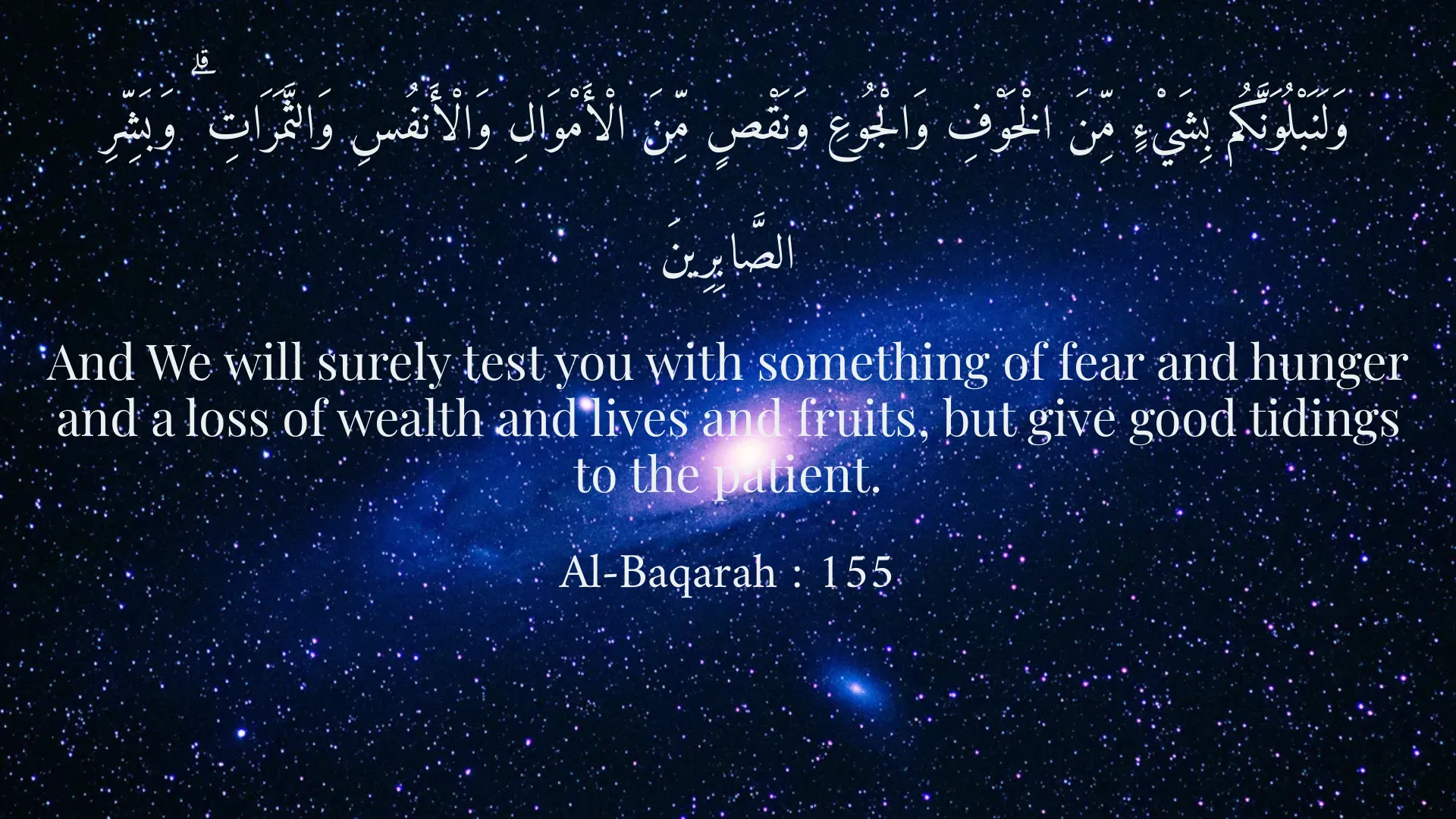
Title: Understanding the Nature of Injustice Towards God: A Deeper Reflection on Life’s Struggles Introduction In the tumultuous journey of life, one is bound to encounter various challenges and obstacles that can plunge the heart into despair and provoke feelings of injustice, especially towards God. It is not uncommon for individuals to feel that God has been unjust when faced with trials such as loss, suffering, or unfulfilled desires. This feeling of injustice often emerges from a limited understanding of life’s inherent complexities and the divine wisdom that underpins existence. The Holy Quran provides profound insights into this matter, reminding believers that life encompasses a hidden reality that goes beyond our immediate perceptions. Misconceptions About God and Injustice The feeling of injustice towards God can stem from a variety of factors, including personal suffering, societal injustices, or existential dilemmas. When individuals experience hardship, such as illness, loss of employment, or the death of a loved one, it can be easy to view their struggles through a narrow lens of despair. They may question the existence of a benevolent being that allows suffering to exist in the world. However, this questioning often arises from a lack of understanding regarding the nature of life and God’s wisdom. In many religious texts, including the Holy Quran, it is emphasized that life is not merely a sequence of events marked by happiness and success. Rather, it is a complex tapestry woven from trials and tribulations, which serve a higher purpose. Distinctions between good and bad, joy and suffering, are not always straightforward, and what may appear as suffering might hold intrinsic value and meaning that is not readily apparent. The Quranic Perspective In Surah Al-Baqarah, verse 155, Allah states: "And We will surely test you with something of fear and hunger and a loss of wealth and lives and fruits, but give good tidings to the patient." This verse encapsulates the essence of human experience—life is characterized by tests and trials, which are not punishments, but rather opportunities for growth and reflection. It serves as a reminder that every hardship bears the potential for learning, patience, and spiritual elevation. God’s challenges, therefore, should be perceived not as acts of injustice but as components of a divine design aimed at fostering resilience and deepening faith. This perspective encourages individuals to embrace their struggles, recognizing them as part of their spiritual journey—a means to cultivate patience and to connect more profoundly with God through reliance and submission. The Arts of Patience and Endurance Amidst the trials of life, it is crucial to cultivate the qualities of patience and endurance. In Islam, patience is regarded as a virtue that leads one closer to God. The Quran frequently emphasizes the significance of being steadfast in the face of adversity. Patience does not imply passivity or resignation; it is an active choice to maintain faith in God’s wisdom, trusting that each challenge carries a lesson or an opportunity for growth. Indeed, the act of enduring hardships while maintaining a spirit of hope allows individuals to explore their inner strength and develop a deeper understanding of themselves and their relationship with the Divine. Rather than succumbing to despair, one is invited to engage in reflection and prayer, fostering an intimate connection with God that provides solace through turbulent times. The Role of Perspective in Understanding Life’s Trials A significant factor that influences the perception of injustice is the perspective through which one views life’s experiences. By shifting focus from the immediate pain of circumstances to the broader purpose they serve, individuals are better equipped to appreciate the intricacies of life. Understanding that hardship can lead to personal growth, character development, and a rekindled faith can transform the narrative of suffering into one of hope. People often forget that, as humans, their understanding of justice and fairness is inherently limited. God’s wisdom transcends human comprehension, and His plans are often beyond the scope of human understanding. In recognizing this, believers are called upon to relinquish their need for immediate answers and trust in the larger arc of divine wisdom. This shift in mindset can significantly alleviate feelings of injustice and pave the way for a more profound sense of peace. The Importance of Seeking Knowledge and Insight The feelings of injustice towards God can often be tempered through the pursuit of knowledge and spiritual insight. By educating oneself about the foundational principles of faith, individuals can build a more solid understanding of the nature of trials and their place within the divine scheme. Engaging with religious texts, seeking counsel from knowledgeable individuals, and participating in community discussions can provide valuable perspectives that help to navigate life’s challenges effectively. Moreover, reflecting on the lives of prophets and saints who have endured unimaginable sufferings yet maintained their faith can serve as powerful reminders of the potential for growth and transformation in adversity. Their stories can inspire individuals to trust in God’s wisdom and guide them towards a more fulfilling and compassionate approach to their own struggles. Conclusion In conclusion, the feeling of injustice towards God is a common yet profound experience that often stems from a limited understanding of life’s challenges and the divine wisdom behind them. The Holy Quran offers valuable guidance for navigating these feelings, inviting believers to embrace trials as opportunities for growth and spiritual elevation. By cultivating patience, shifting perspectives, and seeking knowledge, individuals can transform their struggles into pathways towards a deeper, more meaningful relationship with God. Ultimately, embracing life’s imperfections and uncertainties can lead to a more profound understanding of divine love and justice, fostering resilience and hope amidst life’s inevitable adversities.
Related Verses
وَلَنَبْلُوَنَّكُم بِشَيْءٍ مِّنَ الْخَوْفِ وَالْجُوعِ وَنَقْصٍ مِّنَ الْأَمْوَالِ وَالْأَنفُسِ وَالثَّمَرَاتِ ۗ وَبَشِّرِ الصَّابِرِينَ
And We will surely test you with something of fear and hunger and a loss of wealth and lives and fruits, but give good tidings to the patient.
Al-Baqarah : 155
وَمَا الْحَيَاةُ الدُّنْيَا إِلَّا لَهْوٌ وَلَعِبٌ ۖ وَإِنَّ الدَّارَ الْآخِرَةَ لَهِيَ الْحَيَوَانُ ۖ لَوْ كَانُوا يَعْلَمُونَ
And what is the worldly life except amusement and diversion? And indeed, the home of the Hereafter—that is the true life, if only they knew.
Al-An'am : 32
أَحَسِبْتُمْ أَنمَا خَلَقْنَاكُمْ عَبَثًۭا وَأَنَّكُمْ إِلَيْنَا لَا تُرْجَعُونَ
Did you think that We created you uselessly and that you would not be returned to Us?
Al-Mu’minun : 115
Short Story
One day, a man named Mahdi was seeking answers to life's questions. He often felt that his life was filled with numerous challenges and was dissatisfied with God. One day, an elderly man told him, "Every human faces challenges in life, but these challenges are essential for our growth and learning." Mahdi succeeded in realizing this point and decided to view life with patience and gratitude. After a few months, he noticed that his problems gradually lessened, and he felt more content.