Quranic Answer
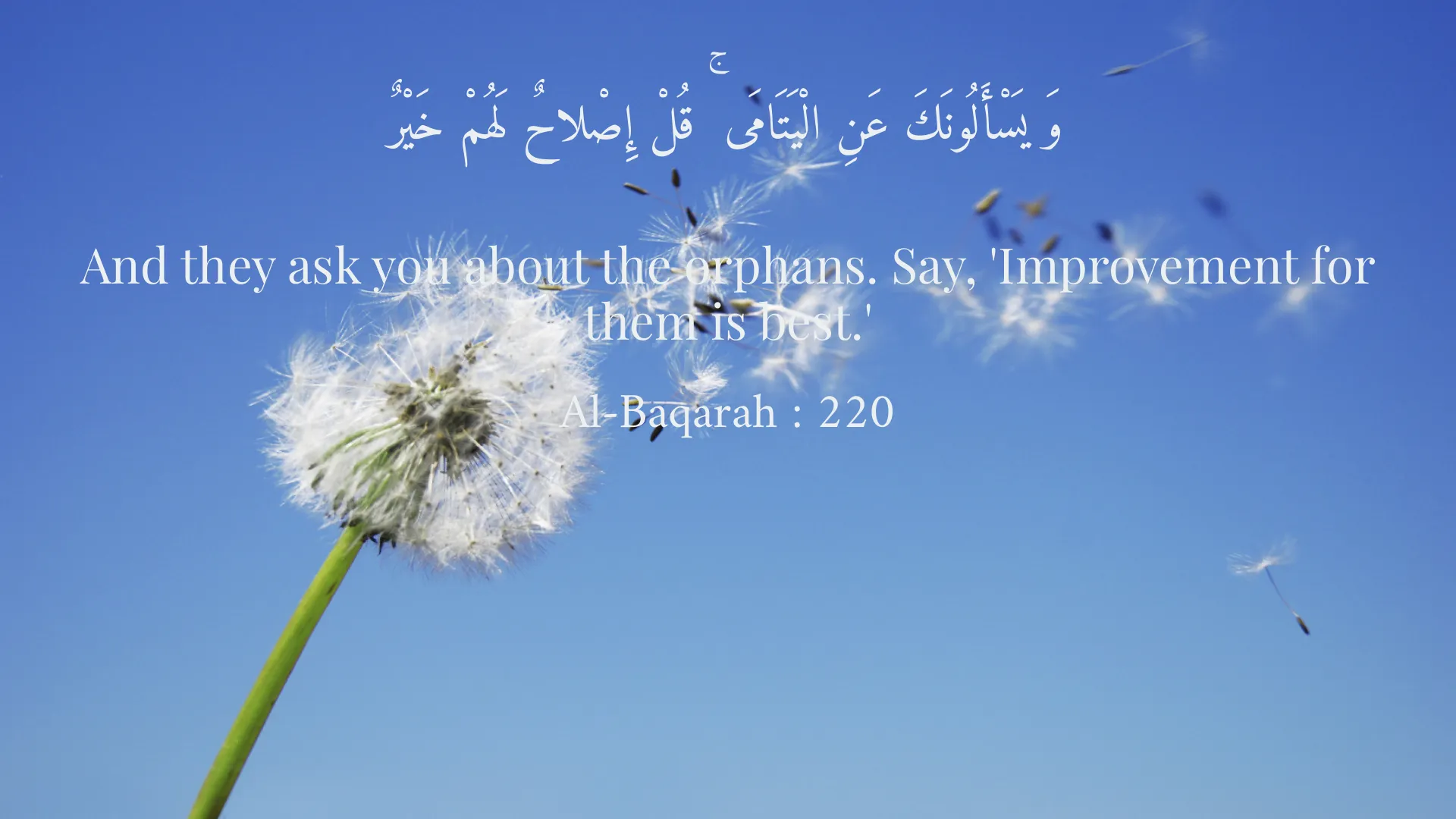
The Importance of Caring for Orphans: A Deep Dive into Islamic Teachings In the Holy Quran, a recurring theme is that of social responsibility, particularly towards the most vulnerable members of society, and one of the most profound responsibilities is towards orphans. The Quran teaches believers about the importance of caring for orphans through multiple verses, underscoring the need for compassion, love, and support. When we delve into this subject, we find an intricate connection between a believer’s faith and their commitment to helping those in need, specifically orphans. This article seeks to explore the teachings of the Quran regarding orphans, what the implications of these teachings are, and how they can relate to our modern lives and communities. The Quran explicitly outlines the rights of orphans in Surah Al-Baqarah, verse 220, where Allah states: “And they ask you about the orphans. Say, 'Improvement for them is best.'” This verse leads us to understand that orphans are individuals who have suffered a tremendous loss—the loss of a parent or guardian who is meant to provide for their needs. The Quran does not merely recognize their existence; it demands that we actively improve their condition. This improvement goes beyond material support, such as food, clothing, and shelter. It extends into the emotional and spiritual realms. Orphans require love and care to foster a sense of belonging and stability in their lives. Many studies have shown that children who grow up without parental support are more likely to struggle with various issues, from emotional instability to difficulty in forming relationships. Thus, it becomes crucial for society to take a role in nurturing and supporting these vulnerable children. Moreover, the vulnerability of orphans can manifest in various forms. They often face societal stigmas, lack of self-esteem, and a sense of isolation. When they lose a guardian, orphans not only face the practical loss of food and shelter but also the emotional loss of love and security. It is here that the teachings of Islam become particularly relevant. In Surah Al-An'am, verse 152, Allah instructs, “And do not speak about Allah what you do not know.” This verse emphasizes the necessity for believers to recognize and fulfill their societal obligations, particularly regarding the rights of orphans. To speak about Allah and understand His attributes is intertwined with acting upon the knowledge one possesses. This means that believers should be well-aware of the plight of orphans and keep their rights at the forefront of their charitable endeavors. The act of helping orphans is not only a social duty but also a profound human responsibility. It intertwines with the very essence of what it means to be a compassionate and caring human being. The Prophet Muhammad (PBUH) is a shining example of this compassion. Multiple hadiths underline the importance of caring for orphans, highlighting that those who do so hold a special place in Allah’s eyes. One such hadith states, "Whoever supports an orphan until they become self-sufficient will be with me in Paradise as these two fingers" (Sahih Bukhari). This narration tells us of the immense worldly and eternal rewards that await those who dedicate themselves to caring for orphans. The closeness to the Prophet (PBUH) in Paradise is a profound indication of the significance of these actions in the eyes of Allah, reinforcing that helping orphans is not merely an act of charity, but a pathway towards spiritual enlightenment and reward. However, as we examine the teachings in the Quran and hadith literature, it is imperative to question how these lessons and values translate into our contemporary context. In today’s fast-paced world, the challenges facing orphans may have changed in form, but they persist. Around the globe, millions of children grow up in orphanages, foster care systems, or on the streets, often deprived of the loving support they desperately need. Many organizations are working tirelessly to provide care and support, yet the effort of individual community members remains irreplaceable. Building a supportive atmosphere for orphans hinges upon fostering connections between them and those around them. This creates an environment where love and friendship can flourish, assuring orphans that they are not alone and that they are embraced by their communities. This could be through mentorship programs, community outreach, or simply by reaching out to them in kindness and understanding. Moreover, it is necessary to advocate for policies and programs that will support orphans and promote their welfare. This not only paves the way for them to receive adequate care but also empowers the community to play an active role in nurturing future generations. We need to focus on giving orphans skills, education, and the self-esteem required to become self-sufficient individuals who can contribute to society positively. Therefore, as believers, our commitment to orphans must extend beyond mere acknowledgment of their existence. We must take active steps to show our love and support for them, ensuring that our collective actions reflect the Quranic values of compassion, justice, and responsibility. A society's strength can be gauged by how it treats its most vulnerable members, and orphans undoubtedly fall into this category. Through the teachings of the Quran and the life of the Prophet Muhammad (PBUH), we find compelling reasons to uplift orphans and incorporate their well-being into our moral framework. In conclusion, the importance of caring for orphans is deeply embedded in the teachings of Islam and serves as a reminder of our shared humanity. By nurturing orphans with love, support, and guidance, we not only fulfill our social and religious responsibilities but also play a vital role in shaping a brighter future for them and, consequently, for our communities. The efforts to improve their lives can have transformative impacts that reach far beyond individual stories, contributing to the fabric of society as a whole. It is a collective duty, and together, we can ensure that orphans receive the love and care they need to thrive. In doing so, we embrace the essence of what it means to be a believer devoted to social responsibility and compassion.
Related Verses
وَ يَسْأَلُونَكَ عَنِ الْيَتَامَى ۚ قُلْ إِصْلاحٌ لَهُمْ خَيْرٌ
And they ask you about the orphans. Say, 'Improvement for them is best.'
Al-Baqarah : 220
وَ أَنْ تَقُولُوا عَلَى اللَّهِ مَا لَا تَعْلَمُونَ
And do not speak about Allah what you do not know.
Al-An'am : 152
Short Story
One day, a young man named Ali decided to help an orphanage. He realized that the needs of the orphans went beyond material support, and sometimes a smile or a simple conversation could revive hope in them. By doing small yet impactful actions, he managed to change the lives of several orphans and found a deep sense of satisfaction from his efforts.