Quranic Answer
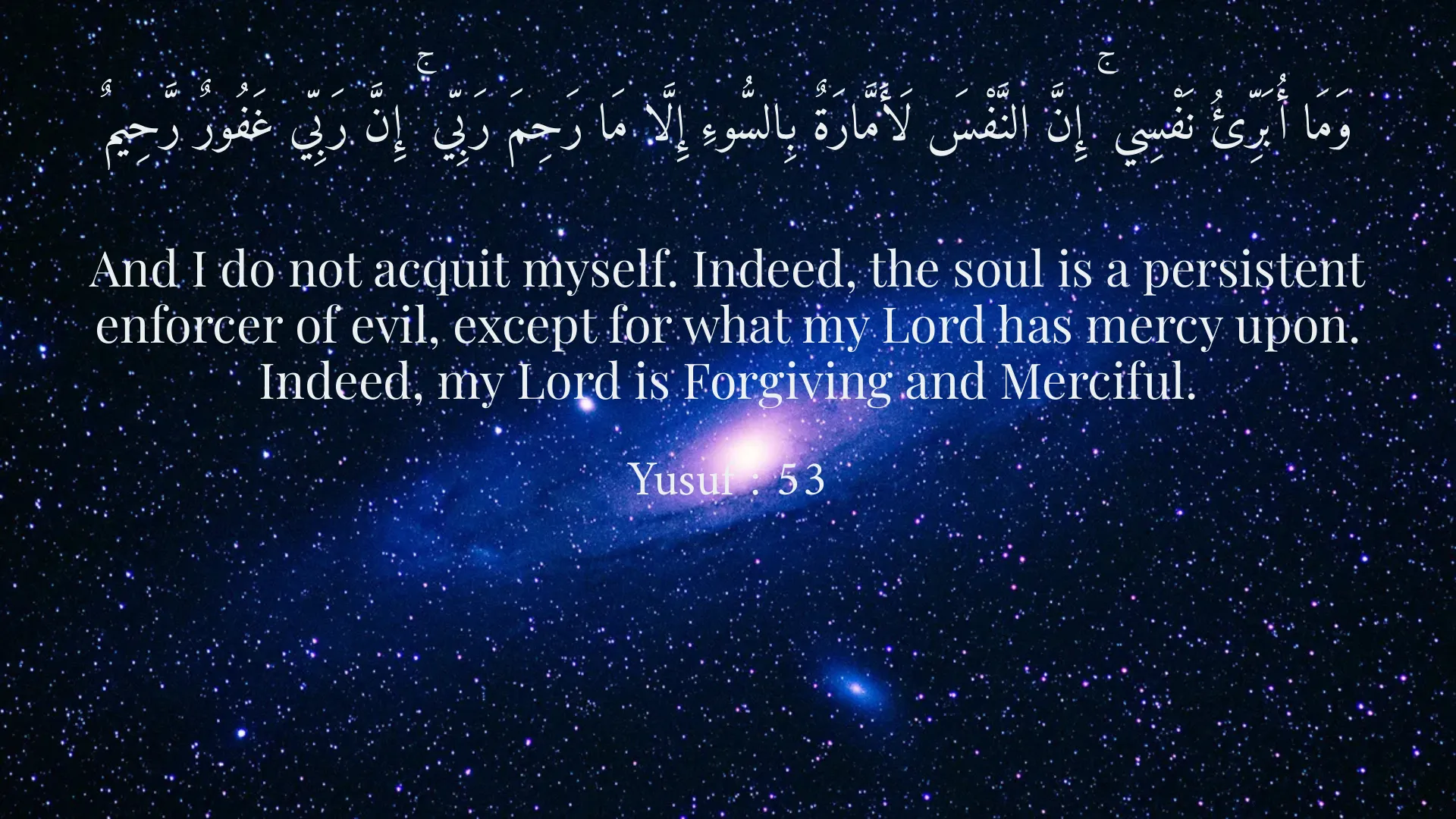
My dear brother or sister, the question you've posed touches upon one of the most profound and fundamental existential challenges faced by humanity; a challenge that has occupied the minds of philosophers, mystics, and the devout throughout history. Understanding the truth is like a light that illuminates the path, but moving along that illuminated path and taking steps towards the destination is an entirely different story. The Holy Quran, with its realistic view of human existence, delves into the roots of this difficulty and offers solutions to overcome it. This difficulty is not a one-dimensional phenomenon; rather, it is a complex interplay of internal and external factors that combine to create a gap between knowledge and action. One of the primary roots of this difficulty is the presence of the 'Nafs al-Ammara' (the commanding soul that inclines to evil) within the human being. The Nafs al-Ammara is that aspect of our being that drives us towards rebellious and unstable desires, even if these desires contradict our true well-being and truth. In Surah Yusuf, verse 53, the Quran quotes Prophet Yusuf (AS) as saying: “And I do not acquit myself. Indeed, the soul is a persistent enforcer of evil, except for what my Lord has mercy upon. Indeed, my Lord is Forgiving and Merciful.” This verse clearly indicates that the human soul, without divine guidance and vigilance, has a strong tendency to follow whims and desires and to disobey the truth. This internal struggle is known as the 'Greater Jihad' (Jihad al-Akbar) and requires immense effort and perseverance. Many times, a person understands the truth, but fleeting worldly pleasures, laziness, fear of losing status, or even arrogance prevent them from translating that truth into action. This constant struggle signifies the immense value and grandeur of achieving practical faith and piety. The second factor is the whisperings of 'Shaytan' (Satan). Satan is humanity's clear enemy, who strives with all his might to divert people from the path of truth. He makes false promises, beautifies worldly attractions in human eyes, and conceals the ugliness of sin. In Surah Al-Baqarah, verse 208, Allah Almighty states: “O you who have believed, enter into Islam completely [and perfectly] and do not follow the footsteps of Satan. Indeed, he is to you a clear enemy.” Satan threatens people with poverty to deter them from charity and commands them to commit indecent acts. He constantly lies in wait to prevent humans from acting upon what they know to be right. His temptations are subtle and hidden, often appearing in the guise of good counsel or logic. The third factor is 'attachment to the worldly life' (Dunya) and its manifestations. The world, with its fleeting attractions, can distract a person from the primary purpose of creation and from acting upon the truth. Wealth, status, fame, and beauty can all create a veil over a person's eyes, hindering their movement towards the truth. The Holy Quran repeatedly reminds humanity of the transience of this world and the permanence of the Hereafter. However, becoming attached to these glitters makes a person lazy and pushes them towards comfort-seeking and avoidance of responsibilities. This attachment often leads to a situation where, even if a person knows what is right, they cannot forgo worldly benefits, making it difficult to act. The fourth factor is 'fear of the consequences of action' or 'fear of people's judgment'. Sometimes, a person understands the truth and knows they should act accordingly, but they fear societal reactions, loss of reputation, or facing difficulties. This fear can be a significant barrier to action. The Quran gives believers courage to fear only God and not His creation. In many verses, Allah emphasizes reliance on Him and not fearing anyone else. However, the Quran does not merely state the problems; it also provides solutions. The most important solution is 'faith and righteous deeds'. In Surah Al-Asr, verses 1 to 3, Allah says: “By time, Indeed, mankind is in loss, Except for those who have believed and done righteous deeds and advised each other to truth and advised each other to patience.” This short surah provides a comprehensive roadmap for overcoming these difficulties. Belief alone is not enough; righteous deeds, advising truth, and advising patience are the main pillars of salvation and success. 'Advising truth' means not only knowing and acting upon the truth ourselves but also inviting others to it and deterring them from falsehood. This in itself strengthens our conviction and will. 'Advising patience' also means perseverance and resilience in the face of difficulties and temptations. This patience includes patience in obeying Allah, patience in refraining from sins, and patience in enduring calamities and hardships. Furthermore, 'remembrance of Allah' (dhikr), 'prayer and worship,' and 'purification of the soul' (tazkiyat al-nafs) are other Quranic ways to strengthen willpower and reduce the gap between knowledge and action. Through constant remembrance of God, the heart finds tranquility, and the 'Nafs al-Ammara' is controlled. Finally, it must be understood that this difficulty is part of divine testing, and the more diligently a person strives on this path, the greater their reward will be with Allah. This struggle not only does not weaken a person but makes them stronger and closer to perfection.
Related Verses
وَمَا أُبَرِّئُ نَفْسِي ۚ إِنَّ النَّفْسَ لَأَمَّارَةٌ بِالسُّوءِ إِلَّا مَا رَحِمَ رَبِّي ۚ إِنَّ رَبِّي غَفُورٌ رَّحِيمٌ
And I do not acquit myself. Indeed, the soul is a persistent enforcer of evil, except for what my Lord has mercy upon. Indeed, my Lord is Forgiving and Merciful.
Yusuf : 53
يَا أَيُّهَا الَّذِينَ آمَنُوا ادْخُلُوا فِي السِّلْمِ كَافَّةً وَلَا تَتَّبِعُوا خُطُوَاتِ الشَّيْطَانِ ۚ إِنَّهُ لَكُمْ عَدُوٌّ مُّبِينٌ
O you who have believed, enter into Islam completely [and perfectly] and do not follow the footsteps of Satan. Indeed, he is to you a clear enemy.
Al-Baqarah : 208
وَالْعَصْرِ
By time,
Al-Asr : 1
إِنَّ الْإِنسَانَ لَفِي خُسْرٍ
Indeed, mankind is in loss,
Al-Asr : 2
إِلَّا الَّذِينَ آمَنُوا وَعَمِلُوا الصَّالِحَاتِ وَتَوَاصَوْا بِالْحَقِّ وَتَوَاصَوْا بِالصَّبْرِ
Except for those who have believed and done righteous deeds and advised each other to truth and advised each other to patience.
Al-Asr : 3
Short Story
It is narrated in Sa'di's Gulistan that a king saw a mystic and asked him, "Why do many people, despite knowing the truth, not act upon it?" The mystic replied, "O King, knowledge is like a ship, and action is like its sail. Even if the ship is large and sturdy, it will not move without a sail and will not reach its destination. So it is with the hearts of people; they may know the truth, but since laziness and carnal desires do not hoist the sail of their actions, they remain adrift in the sea of life and never reach the shore of their destination. Sometimes, Satan also blows winds of temptation that steer the ship of knowledge astray, unless the captain of patience and reliance on God holds the helm firmly." The king took heed of this wisdom and understood that knowing alone is not enough; rather, it is the will and inner struggle that guide a person to their ultimate goal.