Quranic Answer
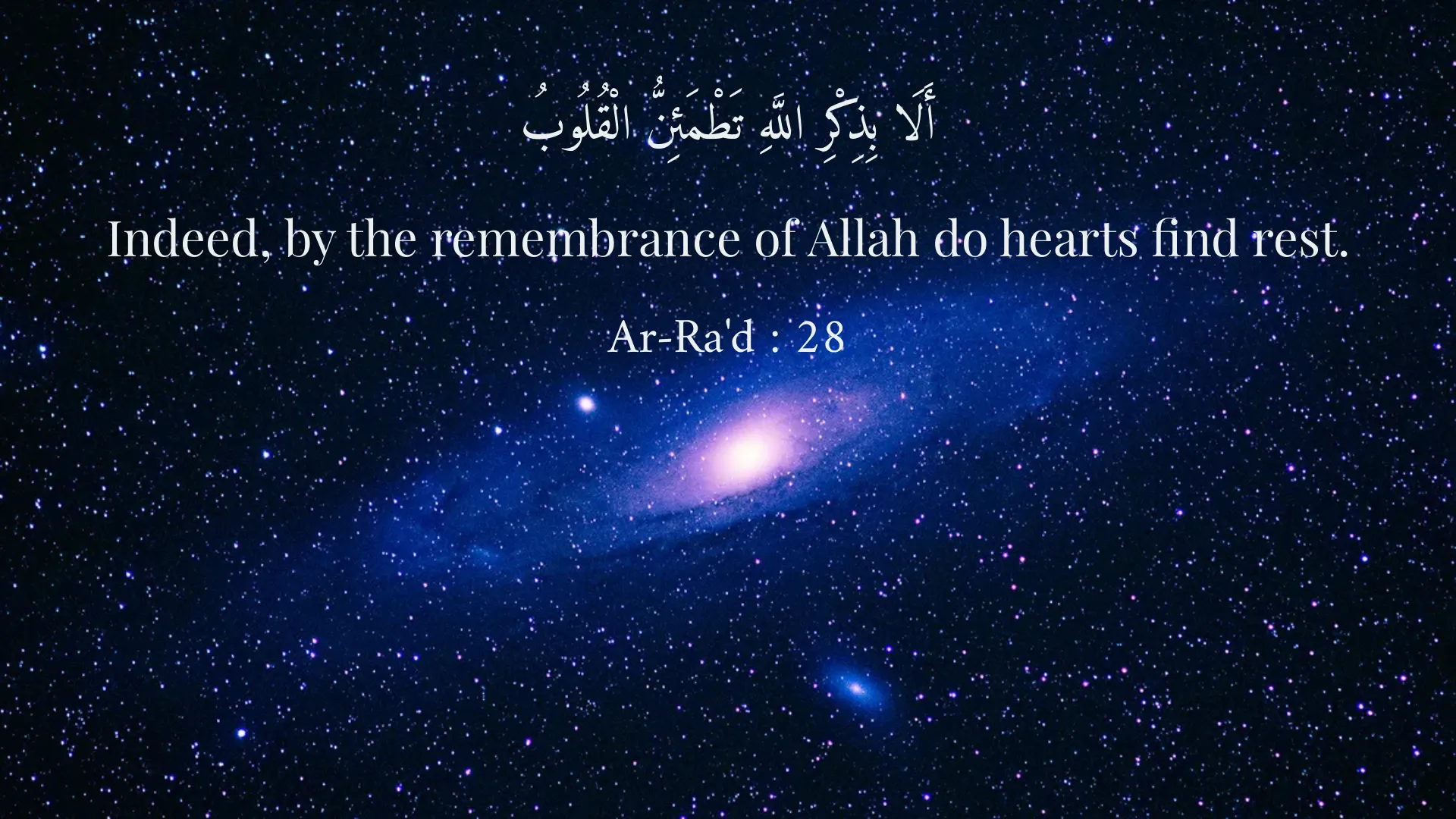
Reciting dhikr, or remembrance of God, holds a place of prominence within the fabric of Islamic worship and spiritual practices. This practice is deeply rooted in the Quran and Sunnah, representing both an act of devotion and a method for enhancing the psychological and emotional well-being of an individual. By delving into the significance of dhikr, we can uncover its profound effect on the psyche and spirit, and how it serves as a catalyst for inner peace and contentment. ### Theological Foundations of Dhikr The Quran is replete with verses that emphasize the importance of remembering God. In Surah Ar-Ra'd, verse 28, it states, 'Indeed, by the remembrance of Allah do hearts find rest.' This verse captures the essence of what dhikr can bring to the individual—a respite from the tumult of daily life and a peaceful engagement with the divine. The act of remembering God is not merely about reciting phrases but is an active engagement of the heart and mind with the Creator. This verse underlines the idea that true tranquility comes from a spiritual connection, and through that connection, believers can navigate the trials and tribulations of life. Another significant verse is Surah Al-Anfal, verse 16, which conveys that those who remember God can surmount difficulties and challenges faced in life. In a world fraught with stress and uncertainty, the invocation of God offers believers a source of strength and resilience. Dhikr, therefore, becomes a powerful tool not only for spiritual enhancement but also for psychological fortitude. ### The Psychological Effects of Dhikr The practice of dhikr has been shown to have a notable impact on mental health, particularly concerning stress and anxiety management. Psychological research indicates that mindfulness and meditation practices can help individuals attain a state of calmness and can significantly lower stress levels. Dhikr can be likened to these practices, as it encourages individuals to turn their focus away from their problems and toward a higher purpose. This action can provide relief and a renewed sense of hope. Individuals often grapple with various challenges, ranging from personal struggles to societal pressures. Engaging in dhikr allows for an escape from negative thoughts and distractions. As believers immerse themselves in the remembrance of God, they often experience a shift in their mindset—transforming feelings of anxiety into serenity. This ability to cultivate a peaceful state of mind through spiritual practice is invaluable in navigating life's complexities. ### Building a Connection with the Divine In Surah Al-Baqarah, verse 152, Allah assures, 'So remember Me; I will remember you...'. This powerful promise highlights the reciprocal nature of the relationship between Allah and His creation. Through remembering God, believers not only gain divine attention but also the assurance that they are never alone in their struggles. This perception fosters a sense of belonging and connection, which is crucial for emotional well-being. By recognizing their place in the larger tapestry of existence, individuals can experience a sense of purpose that transcends daily challenges. The connection cultivated through dhikr can also inspire gratitude and contentment, allowing individuals to appreciate the blessings in their lives despite their struggles. Thus, dhikr becomes an avenue for spiritual growth, leading towards inner peace and harmony. ### Practical Application of Dhikr in Daily Life Incorporating dhikr into daily life does not need to be a time-consuming or complex endeavor. Many believers find it helpful to set aside specific times throughout the day for remembrance, such as after prayers or during moments of solitude. Memorizing short phrases or names of Allah can make it easier to engage in this practice. Phrases such as 'SubhanAllah' (Glory be to Allah), 'Alhamdulillah' (Praise be to Allah), and 'Allahu Akbar' (Allah is the Greatest) can be recited collectively or individually, serving as reminders of Allah's presence in all aspects of life. For those facing particularly stressful situations or emotions, engaging in dhikr can serve as a moment of pause. Through deep breathing and focused recitation, individuals can regain their center and perspective. This intentional practice may involve sitting in a quiet space, closing one's eyes, and repeating phrases that resonate strongly—allowing the individual to draw nearer to Allah while distancing themselves from worldly anxieties. Additionally, communal dhikr practices can enhance the experience, as individuals gather to remember Allah together. This sense of community can provide emotional encouragement and enhance the feelings of solace and support among participants. Sharing personal experiences and witnessing others engage in remembrance can foster a deeper commitment to the practice and strengthen communal ties. ### Conclusion In conclusion, reciting dhikr is not only a profound religious practice but also a valuable resource for enhancing mental and emotional well-being. The Quran underscores its significance, associating the remembrance of God with attaining peace and overcoming life's challenges. Engaging in dhikr enables individuals to cultivate a sense of tranquility, resilience, and divine connection, offering an effective means for managing stress and anxiety. As Muslims navigate the complexities of modern life, dhikr serves as a guiding light, reminding believers of their ultimate purpose and the constant presence of Allah. By prioritizing the remembrance of God in daily life, believers can find solace, strength, and true peace amidst their struggles, ensuring that their hearts remain anchored in faith and love for the Creator.
Related Verses
أَلَا بِذِكْرِ اللَّهِ تَطْمَئِنُّ الْقُلُوبُ
Indeed, by the remembrance of Allah do hearts find rest.
Ar-Ra'd : 28
فَمَن يُولِّهِمْ يَوْمَئِذٍ دَبِرَهُ إِلَّا مُتَحَسِّنًا لِقَتَالٍ أَوْ مُتَحَسِّنًَا لِلْمَقَامِ
And whoever turns to them that day, except in the direction of his own defense or turning from his post, he will have made a mistake.
Al-Anfal : 16
فَاذْكُرُونِي أَذْكُرْكُمْ...
So remember Me; I will remember you...
Al-Baqarah : 152
Short Story
Once upon a time, a hermit lived deep in a forest. He always recited dhikr and felt an immense sense of peace within. One day, two travelers approached him and asked, 'How can we find peace?' The hermit replied, 'Through the remembrance of God. Whenever your heart feels heavy, remember Him so that your soul is filled with light and tranquility.'