Quranic Answer
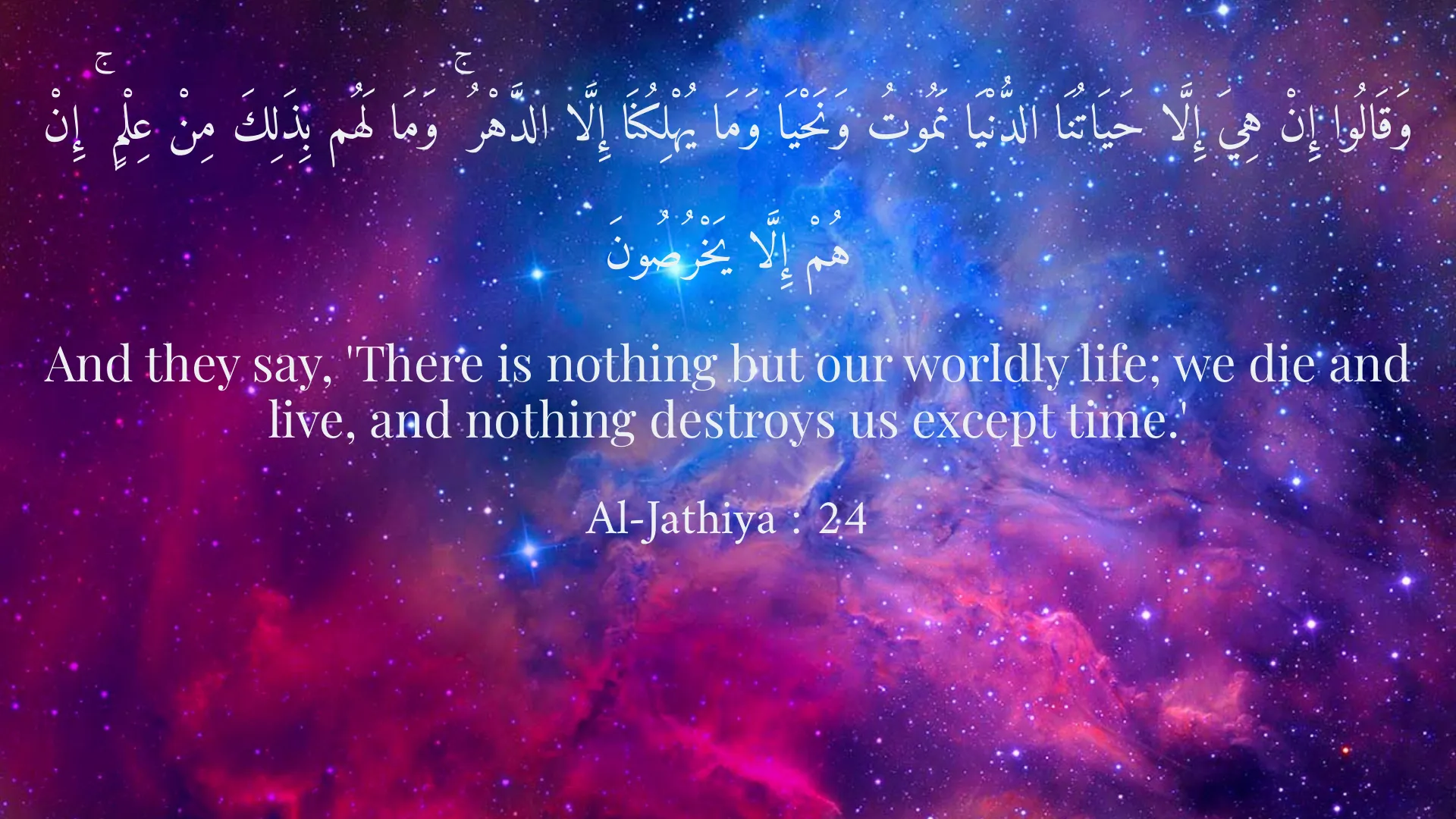
Remembering death holds a significant place in the teachings of Islam, particularly as highlighted in the Holy Quran. It serves as a profound recommendation that guides Muslims in their daily lives. The concept of death, while often viewed with fear or sadness, is approached in Islam as a crucial aspect of existence that deserves contemplation and acknowledgment. Allah emphasizes the importance of thinking about and reflecting on death in various verses throughout the Quran. This reflection, far from being morbid, is intended to promote awareness and provide a deeper understanding of the purpose of life. One of the main reasons for this recommendation is that contemplating death brings individuals closer to the reality of life, allowing them to detach from the distractions and temptations of the world. In the fast-paced society we live in today, where materialism reigns supreme and the focus on worldly pleasures can cloud our judgment, the act of reflecting on our mortality can serve as a powerful awakening. This reflection encourages a person to recognize that their time on earth is limited. When a person consciously confronts the fact that life is transient, they find themselves motivated to utilize their time more wisely. Surah Al-Jathiya, verse 24 states: 'And they say, 'There is nothing but our worldly life; we die and live, and nothing destroys us except time.' This verse captures a key mentality that permeates modern society – a mindset that dismisses the spiritual realities of existence in favor of a purely materialistic viewpoint. If one forgets death and its inevitable certainty, they may begin to view life solely through the lens of immediate gratification and transient pleasures. However, the remembering of death serves as a stark reminder of life's ephemeral nature, which ultimately draws one's heart and mind back towards the important essentials of existence. It urges individuals to ponder on the infamous question: What legacy will I leave behind? By reflecting on mortality, one can begin to reevaluate their priorities and actions in life. This introspection can steer them towards making choices that align with their spiritual and ethical values. Moreover, recalling death prompts individuals to engage in self-evaluation – to confront their wrongful behaviors and rectify them. The Quran encourages self-assessment as a critical aspect of one’s spiritual journey. In Surah Al-Imran, verse 185, it states: 'Every soul will taste death, and you will surely be given your full compensation on the Day of Resurrection...' This emphasizes that every action has consequences and drives the point home that one's behavior in this world is pivotal to their destiny in the hereafter. This reminder fosters a sense of accountability that compels an individual to focus on good deeds and virtuous acts. The realization of death as an unavoidable part of life can significantly alter a person's approach to their faith and actions. It encourages them to seek forgiveness, extend kindness, and perform acts of charity. Engaging in good deeds becomes not only a duty but a source of comfort amid the uncertainty of what lies beyond this mortal realm. Furthermore, the contemplation of death also serves to strengthen one's relationship with Allah. Acknowledging the transient nature of life instills a deeper appreciation for the opportunities that Allah has granted to individuals. It fosters a sense of gratitude that aligns with the core principles of Islam. As believers, the understanding that life is a test and that every moment is an opportunity to earn rewards can lead a person to live with greater intention and devotion. The constant reminder of death can, therefore, be a catalyst for spiritual and ethical growth. It encourages believers to tread the path of righteousness and strive relentlessly towards self-improvement. Islamic teachings remind individuals that this life is but a temporary abode, and focusing on the hereafter is crucial in shaping their actions and beliefs. Moreover, this approach serves as an antidote to the despair and anxiety that often accompany thoughts of death. Instead of viewing death solely as an end, Islam teaches its followers to see it as a transition to another phase of existence. By fostering a positive outlook towards death and the afterlife, believers can transform their understanding of mortality into a source of motivation for creating a life filled with purpose and positive contributions. In essence, remembering death is not merely an Islamic principle; it is a universal call to awareness that transcends religious boundaries. The idea that reflecting on mortality can lead to a more meaningful life is echoed in various philosophical teachings across cultures. By internalizing the certainty of death, individuals may cultivate a profound sense of appreciation for the present moment, encouraging acts of love, kindness, and service to others. In conclusion, remembering death is emphasized in Islam as a vital recommendation for spiritual and ethical growth. The Quran articulates the importance of this remembrance through verses that convey the transient nature of life and the certainty of death. By reflecting on their mortality, individuals can realign their priorities, engage in self-evaluation, and focus on good deeds that strengthen their relationship with Allah. Ultimately, the remembrance of death serves as a guiding principle that prompts believers to lead a life dedicated to righteousness, thereby ensuring their return to Allah is one that is pleasing to Him.
Related Verses
وَقَالُوا إِنْ هِيَ إِلَّا حَيَاتُنَا الدُّنْيَا نَمُوتُ وَنَحْيَا وَمَا يُهْلِكُنَا إِلَّا الدَّهْرُ ۚ وَمَا لَهُم بِذَلِكَ مِنْ عِلْمٍ ۚ إِنْ هُمْ إِلَّا يَخْرُصُونَ
And they say, 'There is nothing but our worldly life; we die and live, and nothing destroys us except time.'
Al-Jathiya : 24
كُلُّ نَفْسٍ ذَائِقَةُ الْمَوْتِ ۖ وَإِنَّمَا تُوَفَّوْنَ أُجُورَكُمْ يَوْمَ الْقِيَامَةِ ۚ فَمَن زُحْزِحَ عَنِ النَّارِ وَأُدْخِلَ الْجَنَّةَ فَقَدْ فَازَ ۚ وَمَا الْحَيَاةُ الدُّنْيَا إِلَّا مَتَاعُ الْغُرُورِ
Every soul will taste death, and you will surely be given your full compensation on the Day of Resurrection. So whoever is averted from the Fire and admitted to Paradise has certainly attained success.
Al-Imran : 185
Short Story
One day, a wise man was sitting with his friends, and they were all engaged in conversation. They busied themselves with worldly amusements and spoke nothing of death. The man smiled and said, 'My friends, do you realize how short life is? Let’s remember death and improve our lives by engaging in good deeds.' His friends looked at each other thoughtfully, and from that day on, they decided to be more mindful of death and to use their time better.