Quranic Answer
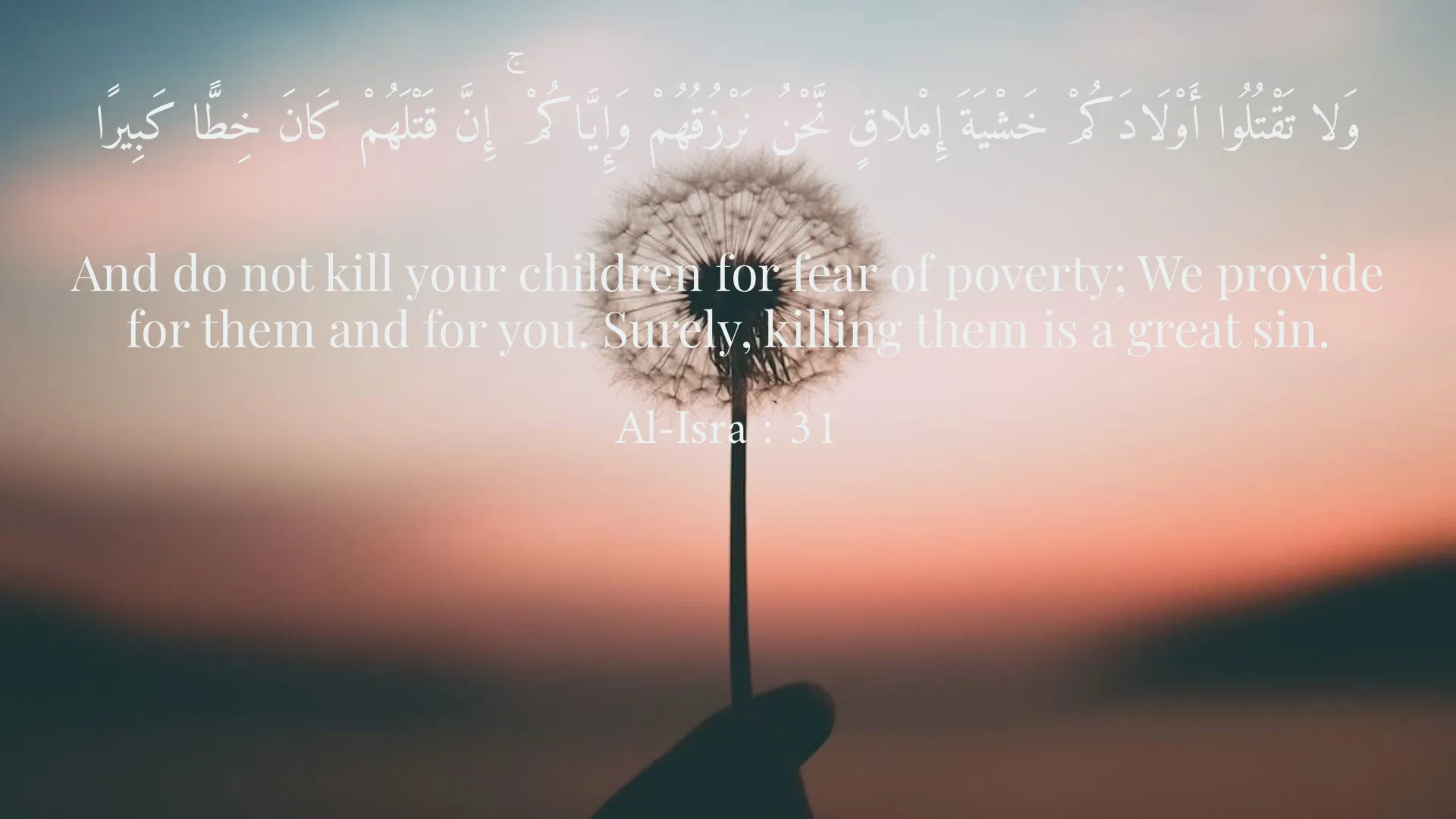
Respecting children is one of the fundamental principles of correct and healthy upbringing. In the Holy Quran, there is a strong emphasis on family and parental responsibilities towards their children. This central theme in the Quran provides guidance on how to nurture and care for children while ensuring that they are raised in a loving and secure environment. The nurturing of children is crucial not only for individual family units but also for the overall development of a healthy society. In this article, we will explore the various aspects of respecting children as highlighted in the Quran, the impact of parental love and support, and the consequences of neglecting these essential principles. In Surah Al-Isra, verse 31, Allah says: 'And do not kill your children for fear of poverty; We provide for them and for you. Surely, killing them is a great sin.' This verse poignantly illustrates the profound value of the lives and existence of children. It highlights a false notion prevalent among some parents — that the inability to provide for their children should lead to despair and detrimental actions. Instead, the verse reassures parents that they are not alone in their responsibilities; Allah emphasizes that He is the provider and will sustain them and their children. This divine message is a call to recognize the preciousness of life, urging parents to safeguard their children's welfare rather than succumb to fear and anxiety. The significance of respecting children also extends into the realm of parental behavior as detailed in Surah Luqman, verse 14. Here, Allah commands parents to respect their children and raise them properly, emphasizing the importance of treating them well. The Quran stresses that the relationship between parents and their children should be founded on love, care, and mutual respect. This principle is crucial for ensuring that children feel valued and understood, thus fostering a solid emotional foundation on which they can build their lives. The behavior of mothers and fathers should be based on love and friendship so that their children grow up in a safe and nurturing environment. Children are incredibly perceptive; they pick up on their parents' emotional states and behaviors. When parents express love and compassion, children develop a strong sense of self-worth and security. This, in turn, contributes positively to their overall development, enabling them to thrive in a world that can often be challenging and unyielding. Especially during childhood, the need for love and attention from parents is profoundly felt. Infants and young children rely entirely on their caregivers to meet their emotional and physical needs. If these needs are ignored or inadequately met, they may seek affection and validation through harmful behaviors. As children grow, the absence of parental respect and love can lead to a myriad of psychological issues, including low self-esteem, anxiety, and social difficulties. Therefore, the Quranic teachings become immensely relevant in reminding parents of their duty to nurture their children with kindness. Creating an atmosphere filled with love and respect for children not only aids in their personality development but also strengthens the social fabric of the family. A family characterized by warmth, support, and understanding cultivates children who are more likely to respect others and contribute positively to society. In contrast, families where respect is lacking often produce individuals who struggle with relationships, exhibit aggressive behaviors, or become withdrawn. Furthermore, when children are raised in environments where they are shown respect, they learn the vital social skills necessary to interact with their peers and navigate broader social networks. These children often become empathetic individuals, equipped with the understanding that they are valuable members of a community. The influence of parental respect thus reverberates throughout society, creating a cycle of mutual respect and care. Another significant aspect of respecting children is the recognition of their individuality and autonomy. Children are not merely extensions of their parents; they are unique beings with their thoughts, feelings, and dreams. By respecting their autonomy, parents empower children to express themselves and explore their identities. This aligns with the Islamic principles of nurturing a child's mind and spirit, fostering independence while also emphasizing the importance of communal and family ties. Ultimately, the Quran's emphasis on respect for children serves as a reminder that parenting is not a passive endeavor; it requires active involvement in nurturing and shaping the lives of future generations. Parents are encouraged to engage in open communication with their children, fostering a sense of belonging and the understanding that their voices matter. By doing so, children feel empowered and valued, laying the groundwork for them to grow into confident and respectful adults. In conclusion, the teachings in the Holy Quran highlight the critical importance of respecting children as a foundational aspect of healthy upbringing. Through texts like Surah Al-Isra and Surah Luqman, it is clear that love, compassion, and respectful treatment are paramount for the emotional and psychological development of children. When parents fulfill their responsibilities dutifully, they nurture not only their children but the health of society as a whole. The ripple effects of such respect can lead to more harmonious families and communities, ultimately contributing to a better world. Respecting children is not just a moral obligation; it is an investment in a brighter future for all members of society.
Related Verses
وَلا تَقْتُلُوا أَوْلَادَكُمْ خَشْيَةَ إِمْلاقٍ نَّحْنُ نَرْزُقُهُمْ وَإِيَّاكُمْ ۚ إِنَّ قَتْلَهُمْ كَانَ خِطًّا كَبِيرًا
And do not kill your children for fear of poverty; We provide for them and for you. Surely, killing them is a great sin.
Al-Isra : 31
وَوَصَّيْنَا الْإِنْسَانَ بِوَالِدَيْهِ ۚ أَنِ اشْكُرْ لِي وَلِوَالِدَيْكَ إِلَيَّ الْمَصِيرُ
And We have enjoined upon man [care] for his parents. But if they endeavor to make you associate with Me that of which you have no knowledge, do not obey them. To Me is your return, and I will inform you about what you used to do.
Luqman : 14
Short Story
One day, a father and son were sitting beside the garden. The son, feeling a bit upset, asked his father: 'Why should you respect me?' The father smiled and said: 'I respect you because you are my future. You are my treasure, and I want to provide you with the best.' This response from the father made the son feel valued and loved.