Quranic Answer
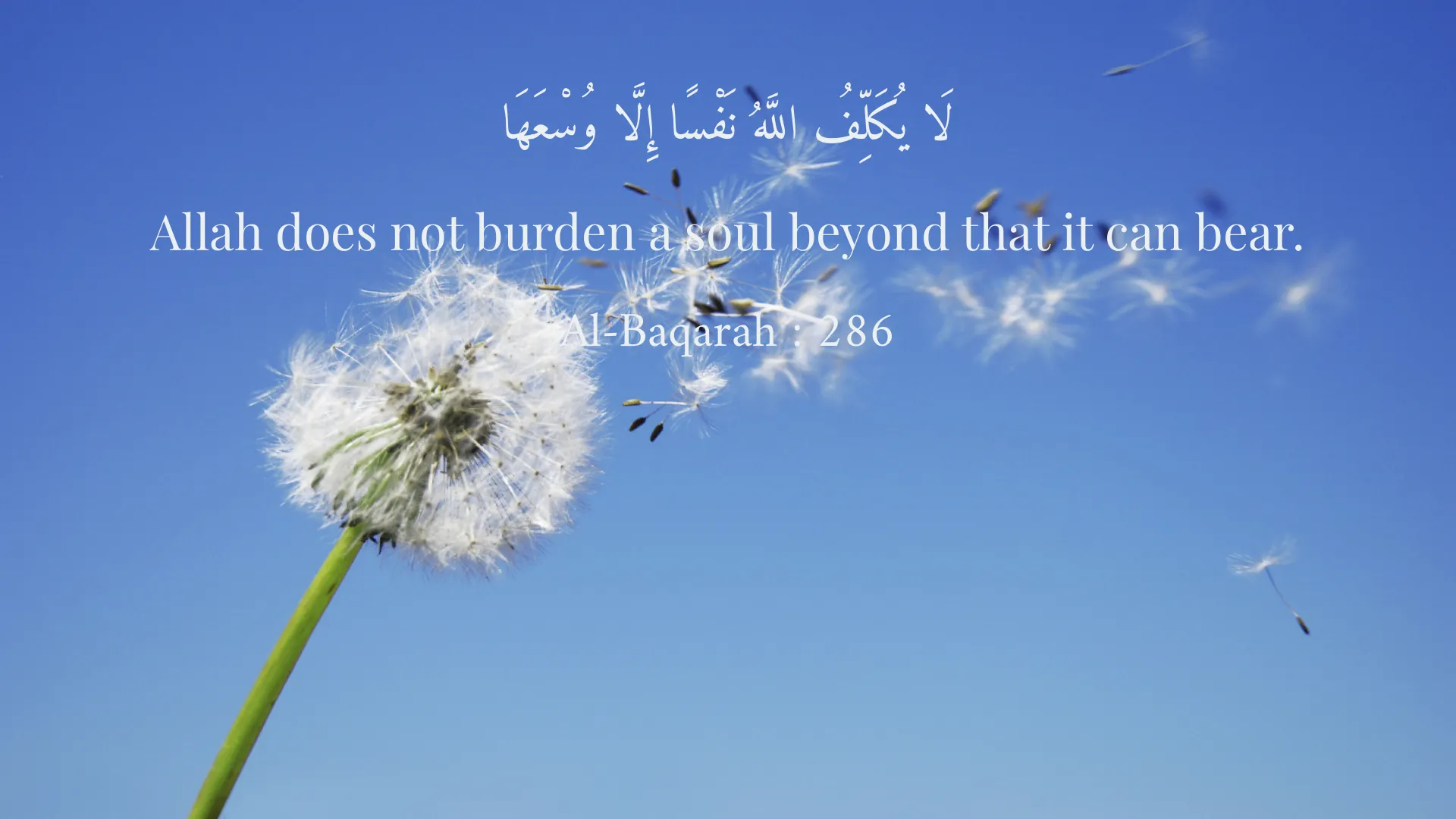
In the Holy Quran, the significance of empathy and understanding the pain and suffering of others is a recurring theme that resonates throughout its verses. Islamic teachings emphasize the importance of compassion, patience, and the interconnectedness of humanity. The Quran serves not only as a religious text but also as a guide that urges believers to foster empathy in their daily lives, encouraging them to be sensitive to the struggles of others. This article delves deeper into several Quranic verses that underscore these values, illustrating how empathy is an essential trait for individual growth and the betterment of society at large. One of the most profound expressions of empathy can be found in Surah Al-Baqarah, verse 286, where Allah says, 'Allah does not burden a soul beyond that it can bear.' This verse conveys a powerful message regarding the nature of trials and tribulations that every individual faces. It reminds us that God tests each person according to their unique capabilities, and thus, we should approach one another with sensitivity and understanding. The phrase implies that each person's struggles are tailored to their own endurance levels, suggesting that we may not fully grasp the burdens that others carry. This aspect of understanding is crucial in our interactions with those around us. In a world apparent with suffering and hardship, we are often quick to judge or overlook the challenges that others face. However, if we remind ourselves that everyone is fighting their own battles, it becomes easier to approach them with kindness and compassion. From the Quranic perspective, fostering empathy is not only about acknowledging someone else's pain but also about recognizing the nuances and complexities of their emotional experiences. Furthermore, the story of Prophet Noah (peace be upon him) in Surah Hud, verse 47, serves as an exemplary illustration of patience and empathy in action. Noah, known for his perseverance in the face of opposition, displayed remarkable understanding towards his people, who chose to dismiss his call to righteousness. This narrative illuminates the vital role that empathy plays when dealing with denial or indifference from others. Despite the negativity he faced, Noah exemplified a compassionate approach, acknowledging the struggles of his people, even if they did not understand or reciprocate it. His unwavering patience teaches us that empathy often requires enduring trials ourselves and that we should strive to understand the pain of others, regardless of their reactions or beliefs. By doing so, we can bridge gaps in understanding and create a more supportive society. In addition to individual interactions, the Quran also underscores the communal aspect of empathy. Surah Al-Ma'idah, verse 32 states, 'Because of that, We decreed upon the Children of Israel that whoever kills a soul unless for a soul or for corruption [done] in the land - it is as if he had slain mankind entirely. And whoever saves one - it is as if he had saved mankind entirely.' This verse elevates the sanctity of life, emphasizing the moral stakes involved in our treatment of others. It reminds us that each life holds profound value and that every act of kindness has the potential to uplift an entire community. The implication here extends beyond just the act of taking a life; it encompasses our moral responsibilities towards each other. Understanding others' sorrows can significantly impact how we relate to them, urging us to provide support rather than harm. The communal nature of our responsibilities plays a crucial role in promoting a culture of empathy where individuals feel valued and understood. To illustrate the practical implications of these teachings, we can look at how we can actively practice empathy in our daily lives. Understanding the sorrow of others requires us to approach them with an open heart, a readiness for empathy, and a willingness to listen. This requires us to create safe spaces where individuals feel comfortable sharing their struggles and know that they will be met with compassion rather than judgment. Being present in someone's life does not always require grand gestures. Sometimes, simple acts of listening and providing practical or spiritual assistance can alleviate the burdens they carry. Just a listening ear, a word of encouragement, or acts of service can go a long way in showing that we care. For instance, reaching out to a friend who is going through a tough time, offering help with daily tasks, or even just being there to listen can demonstrate solidarity and empathy. In this sense, empathy can foster a sense of community that is essential for emotional well-being. In conclusion, the teachings of the Holy Quran provide us with invaluable insights into the significance of empathy and understanding the pain and suffering of others. Through the verses referenced, we learn that compassion is not only an emotional response but a divine edict that shapes our moral fabric. The lessons of patience and perseverance as demonstrated by Prophet Noah (peace be upon him) challenge us to approach each other with kindness, even in the face of indifference. As we endeavor to cultivate empathy within ourselves and in our communities, we contribute to a culture that values human life and promotes healing. The call to understand the struggles of others transcends personal gain, placing the welfare of our fellow beings at the forefront of our intentions. Ultimately, empathy emerges as a powerful tool for transforming lives, fostering connections, and nurturing a harmonious society. By embodying these values, we not only grow as individuals but also collectively uplift the human experience, aligning with the greater purpose of fostering peace and understanding in our world.
Related Verses
لَا يُكَلِّفُ اللَّهُ نَفْسًا إِلَّا وُسْعَهَا
Allah does not burden a soul beyond that it can bear.
Al-Baqarah : 286
وَإِن كَانَ مَرَادُ رَبِّكَ أَنْ يُغْرِقَهُمْ
And if your Lord intended to drown them.
Hud : 47
مَن قَتَلَ نَفْسًا بِغَيْرِ نَفْسٍ أَوْ فَسَادٍ فِي الْأَرْضِ فَكَأَنَّمَا قَتَلَ النَّاسَ جَمِيعًا
Whoever kills a soul unless for a soul or for corruption [done] in the land - it is as if he had slain mankind entirely.
Al-Ma'idah : 32
Short Story
One night, two friends named Ali and Reza were sitting in a park. Ali, with a sad face, said to Reza, 'My wife is bedridden due to illness, and I don’t know what to do.' Reza listened with empathy and said, 'I understand you; you will never be alone. Let’s pray together and stand by each other in this difficult journey.' Ali felt a weight lifted off his shoulders, as true friendship eased his sorrow.