Quranic Answer
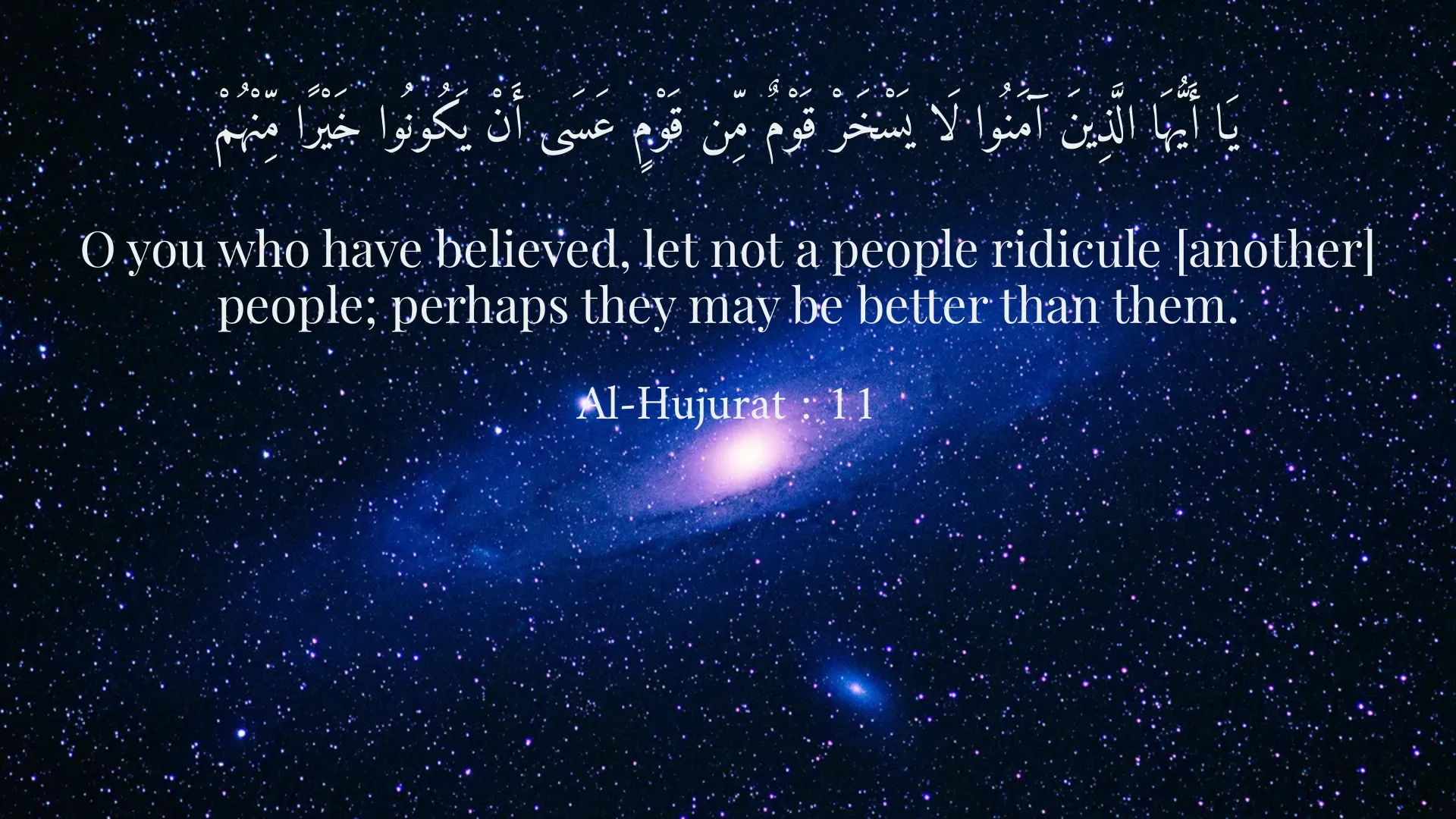
The Holy Quran is a divine scripture that provides not only spiritual guidance but also practical advice on various aspects of daily life. Among these teachings, the significance of controlling one's tongue is emphasized through multiple verses. The tongue, a seemingly small organ, holds immense power; it can uplift spirits, spread love and positivity, or conversely, it can hurt individuals, destroy relationships, and create discord. This article delves into the Quranic teachings regarding speech, the responsibility that comes with speaking, and the profound impact one's words can have on themselves and others. In Surah Al-Hujurat, verse 11, Allah admonishes believers with the instruction, "O you who have believed, let not a people ridicule [another] people; perhaps they may be better than them." This verse serves as a profound reminder of the ethical implications of our speech. It urges individuals to refrain from mocking or belittling others based on superficial characteristics or social standings. The verse highlights that arrogance and pride born from mocking others could obscure our understanding of their true worth, which is known only to Allah. Therefore, maintaining humility in our interactions and guarding our tongues against disparaging remarks is a crucial aspect of a believer's character. Recognizing the potential superiority of others reinforces the need for respect and dignity in our exchanges. The importance of honesty and righteousness in speech is further emphasized in Surah Al-Baqarah, verse 83. In this verse, Allah instructs the Children of Israel to engage in truthfulness and righteousness while steering clear of lies and slander: "And (remember) when We took a covenant from the Children of Israel: Do not worship anyone except Allah; and to parents, do good; and to relatives, orphans, the needy, and speak to people good [words]." This directive underscores that speech must be used to foster justice and truth, rather than deceit and harm. This concept can be extrapolated to contemporary issues where misinformation and gossip wreak havoc on social relations. In our interconnected world, the capacity for speech extends beyond direct conversations; social media amplifies the reach of our words, emphasizing the need for greater responsibility. When individuals lie or spread contemptible rumors, they not only harm the person being targeted but also fracture the community. Therefore, maintaining integrity in speech is not just an individual duty; it directly contributes to the collective harmony of society. Moreover, in Surah Aal-e-Imran, verse 186, the Quran states, "Certainly, you will be tested by your tongues." This verse acts as a reminder that every word we utter can be a test of our character and faith. Every utterance can either affirm our commitment to righteousness or betray it. As believers, we must constantly evaluate our speech and ask ourselves whether it aligns with ethical and spiritual principles laid out in the Quran. This constant vigilance over the use of our tongues can be a transformative practice, guiding us towards better communication that fosters community and connection. The Quran encourages believers to view the tongue as a tool for goodness, compassion, and the enhancement of human relationships. By being mindful of the power of words, individuals can use their speech as a means to uplift themselves and others. Speaking kindly and supportively not only strengthens bonds between individuals but also cultivates an atmosphere of trust and love. For instance, compliments, words of encouragement, and constructive criticism delivered respectfully can influence those around us positively. The ripple effect of such positive communication can lead to a more compassionate society. Conversely, when the tongue is wielded carelessly or with malice, it can unleash negativity and destruction. Historical conflicts have often been ignited by inflammatory speech or provocation. The Quran's exhortation to control one's tongue can, therefore, be seen as a guiding principle to prevent discord and promote peace. It is essential to reflect on our words and their potential consequences before we speak. Furthermore, the Quran promotes the idea of thoughtful communication. Speaking without reflection can lead to misunderstandings and unintended consequences. In a world where fast responses and impulsive comments are the norm, pausing to consider the impact of our words can facilitate more profound and meaningful conversations. This practice encourages us not just to react but to engage more thoughtfully with others. In essence, controlling the tongue is a fundamental teaching of the Quran that resonates through various verses, underscoring the necessity of ethical speech in Islam. The message is clear: our words matter. They hold the power to shape experiences, create bonds, or inflict harm. The conscious use of the tongue as a tool for goodness and clarity is a responsibility entrusted upon every believer. In conclusion, as we journey through the teachings of the Holy Quran, let us embrace the wisdom it offers regarding the tongue and its control. Let us strive to speak with kindness, integrity, and purpose. By adhering to these Quranic principles, we can contribute to a more harmonious and compassionate society, fostering an environment where every individual feels valued and respected. In doing so, we not only fulfill our obligations as Muslims but also cultivate a legacy of respect and love that can be passed down through generations.
Related Verses
يَا أَيُّهَا الَّذِينَ آمَنُوا لَا يَسْخَرْ قَوْمٌ مِّن قَوْمٍ عَسَى أَنْ يَكُونُوا خَيْرًا مِّنْهُمْ
O you who have believed, let not a people ridicule [another] people; perhaps they may be better than them.
Al-Hujurat : 11
وَإِذْ أَخَذْنَا مِيثَاقَ بَنِي إِسْرَائِيلَ لَا تَعْبُدُونَ إِلَّا اللَّهَ وَبِالْوَالِدَيْنِ إِحْسَانًا
And [mention] when We took the covenant from the Children of Israel, [enjoining upon them], 'Do not worship except Allah; and to parents, good treatment.'
Al-Baqarah : 83
لَتُبْلَوُنَّ فِي أَمْوَالِكُمْ وَأَنفُسِكُمْ
Surely, you will be tested by your tongues.
Aal-e-Imran : 186
Short Story
Once upon a time, one of the friends brought a drink and said that it was the best drink in the world. The other friends began to ridicule him, saying, 'Who cares about this drink?' Suddenly, everyone remembered the Quranic verses and decided to respect one another and think carefully about their use of language from then on.