Quranic Answer
The Holy Quran is much more than a religious text; it is a comprehensive guide that serves as a source of instruction for Muslims. For centuries, it has played an integral role in shaping the spiritual, ethical, and legal dimensions of Muslim life. To truly benefit from this divine scripture, individuals must cultivate a deep, personal, and meaningful connection with it. Establishing this connection goes beyond mere recitation; it involves engaging in reading, reflection, and applying its teachings in daily life. To embark on this journey of connection with the Quran, it is advisable to allocate a specific time each day for its recitation. This daily practice not only sets the tone of one’s day but also reinforces the importance of the Quran in everyday life. Allocating a dedicated time creates a ritual that fosters mindfulness and allows individuals to approach the text with respect and reverence. The beauty of the Quran lies in its timeless wisdom, which can provide comfort and guidance through life’s complexities. Moreover, the environment in which one reads the Quran significantly contributes to understanding and absorbing its messages. A calm and quiet atmosphere plays a critical role in facilitating contemplation and reflection. Distractions and chaos can hinder comprehension, making it difficult to absorb the essence of the verses. By creating a tranquil environment for reading, individuals open themselves to the spiritual energy that flows from the Quran, allowing for a deeper engagement with its content. Understanding the meanings of the verses is paramount. This is not a simple task; it requires introspection and a willingness to relate the scripture to one’s own experiences. The Quran encourages readers to ponder its verses deeply. For instance, in Surah Al-Baqarah, verse 121, it is said: 'Those to whom We have given the Scripture know him as they know their own sons.' This verse illustrates the intrinsic nature of one’s connection with the Quran, likening it to the instinctual bond one has with their own children. Such a connection implies that familiarity with the Quran should be an innate aspect of one’s identity and daily life, fostering an understanding of its teachings as vital and essential. In addition to recitation, reflection is another critical component in building a connection with the Quran. Reflecting on the meanings and interpretations of the verses requires a combination of scholarly insight and personal thought. It encourages individuals to dive deeper into the text's context, unlocking layers of significance that can inform one’s moral choices and relationship with others. By studying classical and contemporary interpretations, readers can view the Quran through various lenses that can enrich their understanding. Additionally, another powerful way to deepen this connection is through listening to Quranic recitations. The melodic voices of skilled reciters, combined with their nuanced intonations, can evoke profound emotions and spirituality. Listening to the Quran allows individuals to experience its beauty in a different form and can be particularly impactful when one is unable to read due to time constraints or other obstacles. Surah Az-Zumar, verse 23 emphasizes the transformative power of the Quran when it reveals: 'Allah has sent down the best discourse.' This verse underscores the idea that engaging with the Quran—whether through reading or listening—can facilitate a profound emotional and spiritual response. To enhance the experience further, many Muslims find it useful to engage with the Quran collectively, such as attending study circles, Quranic classes, or community gatherings focused on the Quran. Sharing insights and interpretations can foster a sense of community and deepen individual understanding. It allows participants to hear diverse perspectives and insights that they may not have considered, forming a richer, more comprehensive understanding of the text. Moreover, applying the teachings of the Quran in daily life requires a conscious and dedicated effort. It is vital to take the insights gleaned from the Quran and implement them in one’s actions, decisions, and community interactions. This application is not merely about adherence to rules but encompasses a holistic approach to living in accordance with the values espoused by the Quran, such as justice, compassion, humility, and gratitude. For example, the Quran teaches principles of charity and caring for the less fortunate, which can inspire individuals to strengthen their ties to their communities through acts of service. By conducting oneself in a manner that reflects the values found in the Quran, one embodies the teachings and brings them to life, thus transforming the connection into a lived experience. In conclusion, achieving a deeper connection with the Quran is a multifaceted process that requires intention and commitment. By setting aside time for recitation, creating a conducive atmosphere for reading, engaging in reflection, and applying its teachings, individuals can cultivate a meaningful relationship with the Quran that enriches their spiritual journey. In this way, the Holy Quran ceases to be merely a text and becomes a living guide, one that resonates with the complexities of modern life while providing insights that are both timeless and universally relevant. Through continuous effort and dedication to understanding its profound messages, anyone can unlock the treasures contained within, forging a lasting bond with the words of God.
Related Verses
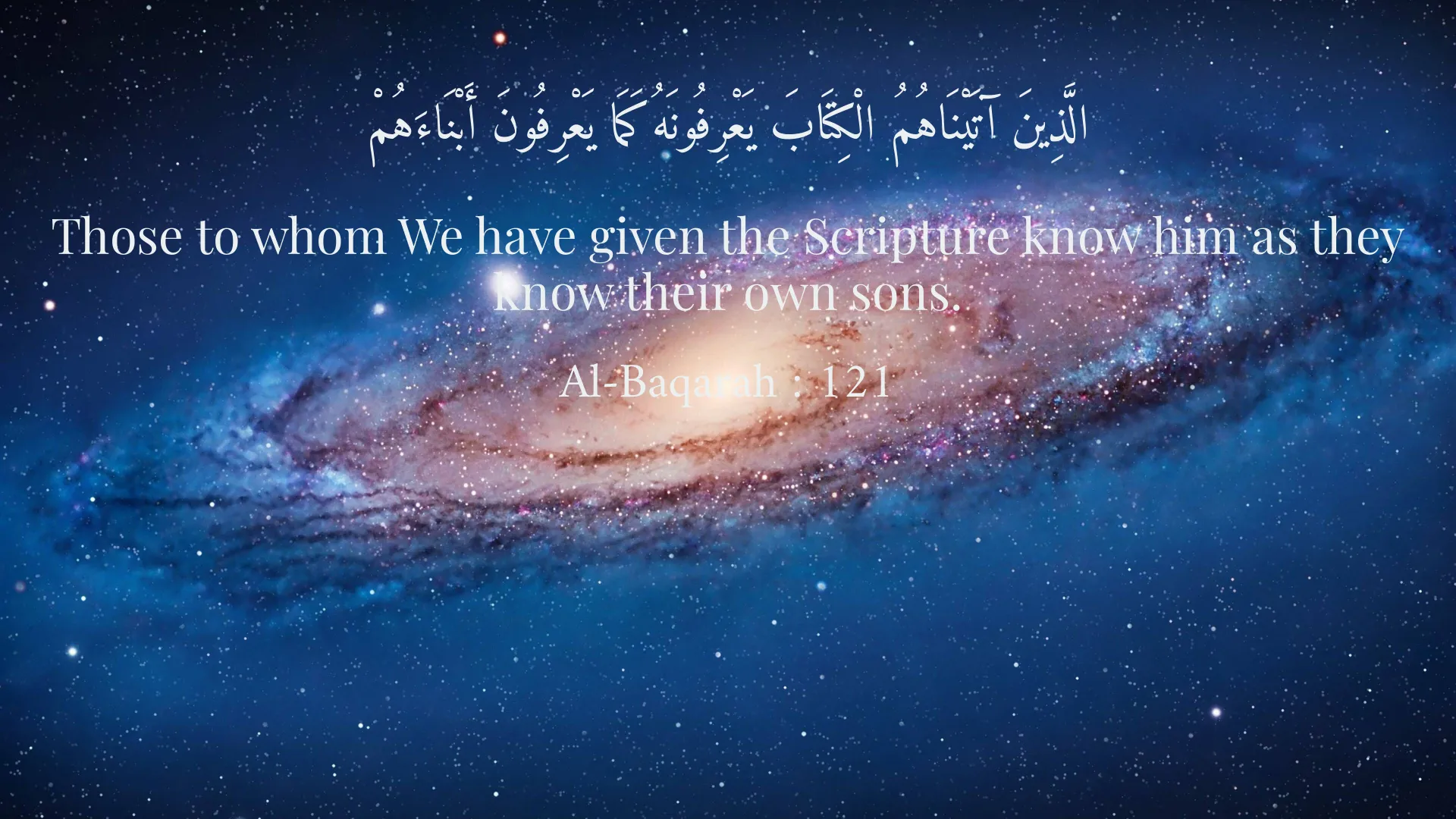
الَّذِينَ آتَيْنَاهُمُ الْكِتَابَ يَعْرِفُونَهُ كَمَا يَعْرِفُونَ أَبْنَاءَهُمْ
Those to whom We have given the Scripture know him as they know their own sons.
Al-Baqarah : 121
اللَّهُ نَزَّلَ أَحْسَنَ الْحَدِيثِ
Allah has sent down the best discourse.
Az-Zumar : 23
Short Story
A story from Saadi: One day, a man went to a garden and found a beautiful book that seemed to hold secrets. He sat by the trees for hours, trying to discover the meanings of its words. Gradually, he realized that this book spoke of guidance and friendship with God. When he left the garden, his heart was filled with love and knowledge.