Quranic Answer
Worship and servitude in Islam are foundational concepts that govern the relationship between humans and God (Allah). These notions are not only seen as obligatory duties but are critically beneficial for the individual participating in these acts of worship. The essence of worship transcends mere ritualistic practices; it encapsulates a profound connection between the servant and their Creator, enriching one's faith, soul, and psychological well-being. ### The Essence of Worship in Islam Islam teaches that every being is created with a purpose. According to the Holy Quran, Surah Adh-Dhariyat, verse 56 states, 'And I did not create the jinn and mankind except to worship Me.' This verse lays the foundation for understanding that the ultimate purpose of creation, both for humans and jinn, centers on the act of worship. Worship in Islam is not merely an obligatory act; it is a means of achieving spiritual fulfillment. In engaging in worship, believers strengthen their bond with Allah. Prayer, fasting, almsgiving (Zakat), and pilgrimage (Hajj) — the five pillars of Islam — are more than just religious duties; they are acts that foster personal growth and a deeper understanding of the divine. As worshipers devote themselves to Allah, they experience a profound transformation that enhances their faith and nurtures their soul. ### Benefits of Worship: Spiritual and Psychological Dimensions The act of worship brings about numerous benefits for the worshiper, both spiritually and psychologically. When one engages in worship, they take a step back from the chaos of daily life, allowing for a moment of reflection, peace, and tranquility. This break from worldly concerns is one of the greatest benefits of worship. It enables individuals to clear their minds, alleviate stress, and reinforce their sense of purpose. Worship can also enhance mental resilience and emotional stability. Studies have shown that individuals who engage regularly in spiritual practices experience lower levels of anxiety and depression. In Islam, prayer serves not only as a method of communication with God but also acts as a grounding force, providing believers with the emotional strength needed to navigate life's challenges. In times of distress or hardship, individuals find solace through prayer and supplication (Dua). Surah Al-Mu'minun, verse 117 underscores the importance of establishing a relationship with Allah: 'And if any one of the polytheists seeks your protection, then grant him protection so that he may hear the words of Allah.' This verse emphasizes that worship is not limited to believers; it extends an invitation to everyone seeking refuge in the Divine. It’s a reminder that God is accessible to all who earnestly seek Him, providing comfort and guidance irrespective of one's background. ### The Spiritual Community and Its Role in Worship Another vital aspect of worship in Islam is the communal element. Collective acts of worship, such as congregational prayers (Salah), not only foster a sense of unity among believers but also create a supportive environment where individuals can grow spiritually together. The mosque serves as a hub for communal worship, where believers gather to pray, learn, and support each other. This sense of community reinforces individual worship by providing a shared environment that encourages spiritual growth. In congregational prayers, the faithful come together, forgetting their differences and focusing on their common purpose: worshiping God. The act of standing shoulder to shoulder in prayer symbolizes unity and equality, reminding worshipers that they are all equal in the eyes of Allah. Such gatherings serve to strengthen faith, foster friendships, and imbue a shared sense of purpose among participants. ### Divine Assistance and Support through Worship Worship is an avenue through which believers seek divine assistance and support. In Surah Ta-Ha, verse 14, Allah commands, 'Indeed, I am Allah; there is no deity except Me, so worship Me.' This verse is a reminder to devote oneself entirely to God and to seek His help in all matters. The importance of seeking support from the Creator highlights that worship is an act of dependence on divine wisdom and guidance. Through worship, believers express their submission to Allah, acknowledging their limitations and recognizing the need for divine help in their lives. This act of surrender can facilitate personal growth, as it allows individuals to confront their weaknesses, seek forgiveness, and cultivate a mindset that is open to learning and improvement. ### The Continuous Journey of Faith through Worship Worship in Islam is not a one-time act; it represents a continuous journey of faith. Engaging in regular acts of worship strengthens one's relationship with God, encouraging individuals to strive for continuous improvement in their spiritual, moral, and ethical lives. As believers immerse themselves in worship, they become increasingly aware of the divine presence in their lives, fostering a sense of gratitude and humility. Additionally, worship serves as a reminder of the transient nature of worldly existence. In recognizing the significance of the divine, worshipers shift their focus from materialism to spirituality, realizing that true fulfillment comes not from material possessions but from a deep connection with Allah. The lessons learned through worship adorn the individual with virtues such as compassion, patience, and empathy, which are essential for personal and communal harmony. ### Conclusion: The Transformative Power of Worship In conclusion, worship in Islam serves as a dual-purpose act, both as a duty owed to Allah and a beneficial practice for believers. Engaging in worship aids individuals in strengthening their bond with their Creator while also providing numerous spiritual and psychological benefits. The Holy Quran emphasizes this mutual relationship between worshiper and God, reminding believers of the ultimate purpose of their creation: to worship and serve Allah. Through regular acts of worship, individuals experience personal transformation, enhanced mental resilience, and profound communal ties. Ultimately, worship transforms the heart and soul of the individual, enriching their lives and deepening their faith. This sacred practice not only connects humans with the divine, but also serves as a source of strength, guidance, and peace in their daily lives, affirming that the act of worship is central to the Islamic faith and offers countless benefits for those who partake in it.
Related Verses
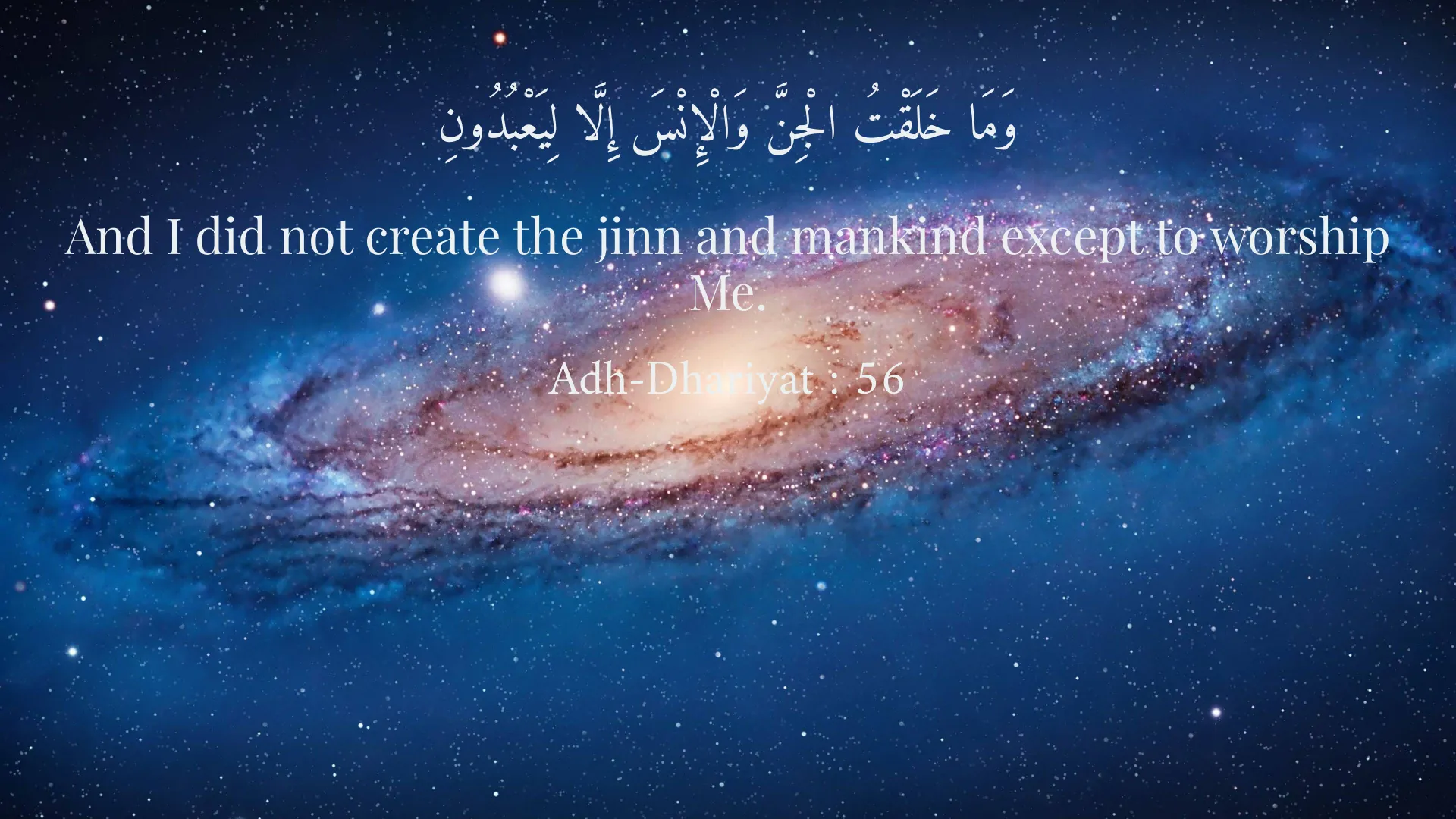
وَمَا خَلَقْتُ الْجِنَّ وَالْإِنْسَ إِلَّا لِيَعْبُدُونِ
And I did not create the jinn and mankind except to worship Me.
Adh-Dhariyat : 56
وَإِنْ أَحَدٌ مِّنَ الْمُشْرِكِينَ اسْتَجَارَكَ فَأَجِرْهُ حَتَّى يَسْمَعَ كَلَامَ اللَّهِ
And if any one of the polytheists seeks your protection, then grant him protection so that he may hear the words of Allah.
Al-Mu'minun : 117
إِنَّنِي أَنَا اللَّهُ لَا إِلَٰهَ إِلَّا أَنَا فَاعْبُدْنِي
Indeed, I am Allah; there is no deity except Me, so worship Me.
Ta-Ha : 14
Short Story
One day, a friend named Hamid felt an emptiness in his journey of life. He decided to go to the mosque to pray. After finishing his prayers, he felt an extraordinary sense of peace and closeness to God. He realized that worship is not only for God's pleasure but also for his own inner tranquility. From that day on, prayer and worship became an essential part of his life.