Quranic Answer
Leading a religious lifestyle is an endeavor that resonates deeply with individuals seeking purpose, guidance, and a sense of belonging. It is a commitment to live according to the principles and teachings of one's faith, fostering a profound relationship with the divine. In Islam, the Holy Quran serves as the ultimate guide, offering invaluable insights to believers on how to navigate the complexities of life while maintaining a strong connection with God. The journey toward a religious lifestyle comprises several critical steps, all of which contribute to a holistic and meaningful existence. The first step toward embodying a religious lifestyle is establishing a robust connection with God. This connection forms the backbone of one’s spiritual journey. One of the fundamental aspects of this connection is remembrance of God, or 'Dhikr.' In Surah Al-Baqarah, verse 152, the Quran states, "So remember Me; I will remember you." This verse highlights the reciprocal relationship between the believer and Allah. By engaging in acts of remembrance, such as prayer and meditation, individuals can reinforce their awareness of God’s presence in their lives, fostering a sense of tranquility and purpose. Regular efforts to recall the divine can serve to ground believers, offering strength in challenging times and clarity in moments of confusion. The second point revolves around fulfilling obligatory acts of worship. In Islam, obligations such as prayer (Salah), fasting (Sawm), and zakat (charitable giving) should sit at the forefront of a believer’s life. These practices are not merely rituals; they are profound expressions of faith that encapsulate the heart of Islamic teaching. Daily prayers, for instance, foster discipline, gratitude, and mindfulness. In Surah Al-Muzzammil, verse 20, Allah acknowledges the dedication of believers who stand in prayer during the night: "Indeed, your Lord knows that you stand in prayer almost two-thirds of the night." Here, the Quran recognizes devotion and the personal struggle that often accompanies a sincere effort to connect with God. Such actions reinforce the idea that worship is an ongoing, dynamic process that reflects dedication and surrender to divine will. Beyond personal obligations to God, a comprehensive religious lifestyle also embodies kindness towards others and moral behavior. This outward expression of faith is as important as the inner relation established through worship. In Surah An-Nisa, verse 36, Allah urges His followers to treat their parents, relatives, orphans, the needy, and neighbors with goodness. This verse encapsulates the essence of ethical behavior within a religious framework and argues that one's faith must manifest itself in actions that benefit the broader community. It suggests that a true believer is marked by their compassion and social responsibility. In this regard, Islam emphasizes a balance between individual devotion and communal engagement. The path of righteousness is intricate; it demands both inward cultivation and outward practice. By reaching out to those in need, whether through charitable acts, volunteer work, or simply through gracious interaction, individuals can reinforce the values taught in the Quran. Establishing this social dimension fosters a sense of belonging and support within the community, nurturing an environment where faith is lived collectively rather than in isolation. Furthermore, embracing a religious lifestyle is also about moral character and ethical behavior. Integrity, honesty, humility, and patience are virtues that must permeate every aspect of a believer's life, dictating interactions and decisions. These are not only traits encouraged by the Quran but are also central to establishing trust and respect within society. In a world rife with challenges, embodying these values can inspire others to engage in a shared journey toward personal and communal upliftment. Another fundamental principle of leading a religious lifestyle is the pursuit of knowledge. Islam places tremendous value on education, encouraging believers to seek knowledge as a lifelong endeavor. The Prophet Muhammad (peace be upon him) said, "Seeking knowledge is an obligation upon every Muslim." Knowledge serves not only to deepen one's faith but also empower individuals to make informed decisions that reflect their values. It fosters critical thinking, enabling believers to confront the dilemmas of modernity with a well-rounded perspective rooted in their spiritual foundation. Moreover, the act of reflection, or 'Tafakkur,' is paramount in Islam. Through contemplation of the Quran, the wonders of creation, and personal experiences, individuals are encouraged to seek understanding and wisdom. Reflective practices help forge a stronger relationship with God, as they encourage individuals to assess their actions, motivations, and aspirations. As believers reflect upon their lives in light of religious teachings, they are better positioned to align their actions with their values, resulting in a life that is both spiritually fulfilling and socially responsible. In conclusion, leading a religious lifestyle is a multifaceted journey that goes beyond mere adherence to rituals. It encompasses establishing a deep connection with God, fulfilling obligatory acts of worship, and demonstrating kindness and moral behavior in socio-cultural contexts. The teachings of Islam guide believers toward a path of righteousness, encouraging both personal development and compassionate engagement with others. By embodying these principles, individuals can cultivate a meaningful religious lifestyle that not only enhances their own lives but positively influences their communities. Ultimately, living in accordance with one’s faith is about creating a legacy of love, respect, and knowledge that can inspire future generations to walk the same righteous path.
Related Verses
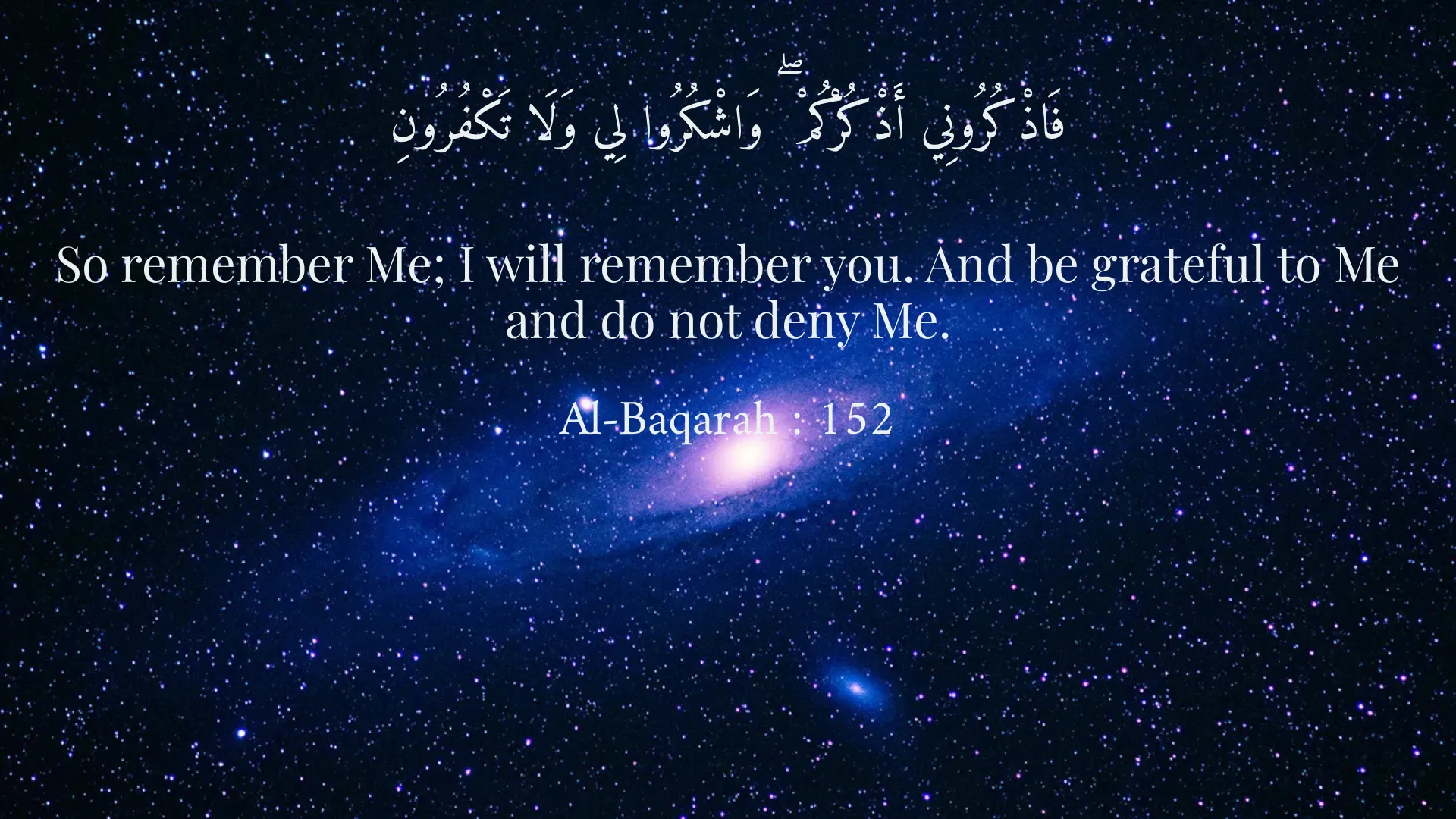
فَاذْكُرُونِي أَذْكُرْكُمْ ۖ وَاشْكُرُوا لِي وَلَا تَكْفُرُونِ
So remember Me; I will remember you. And be grateful to Me and do not deny Me.
Al-Baqarah : 152
إِنَّ رَبَّكَ يَعْلَمُ أَنَّكَ تَقُومُ أَقَلَّ مِن ثُلُثَيِ اللَّيْلِ
Indeed, your Lord knows that you stand in prayer almost two-thirds of the night.
Al-Muzzammil : 20
وَاعْبُدُوا اللَّهَ وَلَا تُشْرِكُوا بِهِ شَيْئًا وَبِالْوَالِدَيْنِ إِحْسَانًا
And worship Allah and associate nothing with Him, and to parents, do good.
An-Nisa : 36
Short Story
One day, a man reflecting on his life remembered the Quranic verses emphasizing kindness to parents. He decided that besides connecting with God, he needed to show more love to his parents. After some time, he felt greater peace and his life changed for the better.