Quranic Answer
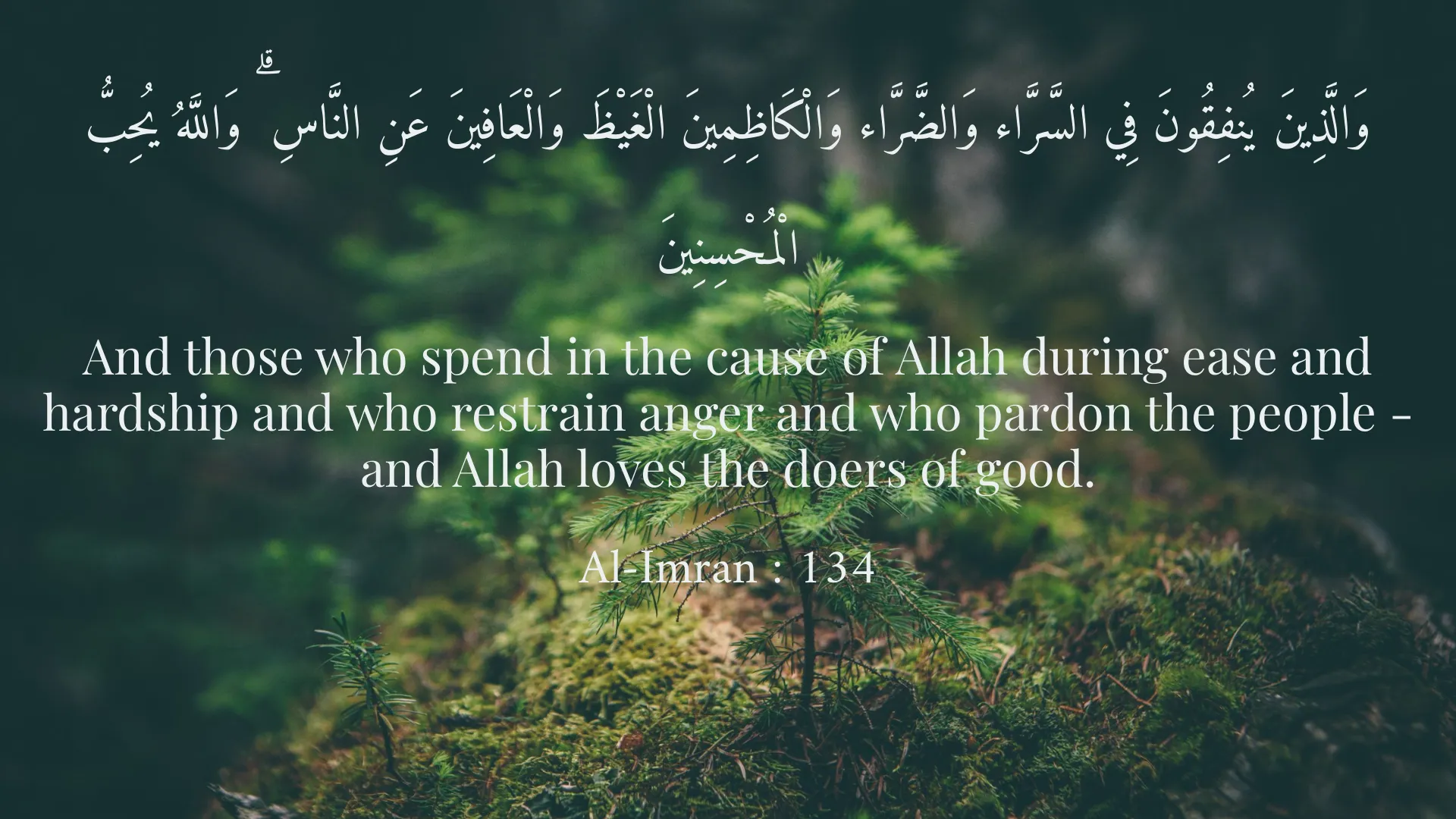
The Quran, as the holy book of Islam, is filled with profound wisdom that addresses not only spiritual concerns but also practical issues that individuals face in their daily lives. Among these issues, anger is a powerful emotion that can often lead individuals astray, affecting their relationships and overall well-being. Recognizing this, the Quran offers guidance on how to manage anger and transform it into mercy. One of the most enlightening verses on this matter is found in Surah Al-Imran, Verse 134: 'And those who spend in the cause of Allah during ease and hardship and who restrain anger and who pardon the people - and Allah loves the doers of good.' This verse highlights the importance of self-control, kindness, and the positive impact that such qualities can have on one's character in the eyes of Allah. Understanding the Nature of Anger Anger is often a natural response to perceived threats, frustrations, or injustices. It serves a purpose, alerting us to issues that need addressing. However, uncontrolled anger can lead to destructive actions and regrettable words, damaging relationships and causing conflict. The key is recognizing when anger arises and how to approach it constructively. The Quran encourages believers to develop awareness regarding their emotions, particularly anger. This self-awareness is the first step towards managing this powerful feeling instead of allowing it to spiral into negative actions. When we feel the surge of anger, it is essential to take a moment to reflect. Rather than reacting impulsively, we should ask ourselves what is triggering this emotion. Often, underlying issues such as personal insecurities, past traumas, or stress can exacerbate our anger. By addressing these internal conflicts, we cultivate a deeper understanding of ourselves and our triggers, making it easier to manage anger in the future. Embracing Forgiveness and Kindness The verse from Surah Al-Imran further emphasizes the importance of mercy and forgiveness. Those who can restrain their anger and forgive others are not just showing moral strength but are also acting in harmony with Allah’s expectations. The act of forgiving is portrayed as a virtue that brings individuals closer to the divine. It's essential to remember that forgiveness does not mean being weak; instead, it is an act of strength that reflects one’s inner peace and understanding. Moreover, kindness is an essential remedy for anger. This is echoed in Surah Fussilat, Verse 34, which states: 'And not equal are the good deed and the bad. Repel by that [deed] which is best; and thereupon the one whom between you and him is enmity will become as though he was a devoted friend.' This verse drives home the message of responding to negativity with goodness, effectively transforming hostile relationships into ones founded on friendship and respect. The Quran’s emphasis on repaying evil with goodness not only serves to elevate the social fabric of communities but also aligns with the psychological principle of emotional contagion. When we approach others with kindness, especially those who may have wronged us, we often disarm potential conflict and promote positive interactions. In essence, by rising above anger and responding with compassion, we create a ripple effect of goodwill that can profoundly change the dynamics of our relationships. Practical Steps for Managing Anger To effectively manage anger and embody the principles taught in the Quran, individuals can take several practical steps: 1. Pause and Reflect: When anger begins to take hold, pause before responding. Take deep breaths and give yourself time to think. Reflect on the root causes of your anger and whether your reaction corresponds to the situation at hand. 2. Seek Understanding: Strive to understand the perspectives and feelings of others involved. This can foster empathy, mitigating your anger and opening the door to constructive dialogue. 3. Promote Forgiveness: Practice letting go of grudges. Remind yourself that everyone makes mistakes. By choosing to forgive, you liberate yourself from the shackles of resentment. 4. Engage in Positive Actions: Respond to anger with good deeds. This can be as simple as offering a kind word to the person who has upset you or engaging in acts of charity or community service. 5. Cultivate Gratitude: Focus on the positive aspects of your life. Acknowledging what you are grateful for can help shift your mindset when anger threatens to overtake you. 6. Seek Support: If you find it challenging to manage your anger alone, seeking support from friends, family, or professionals can provide valuable guidance and coping strategies. Conclusion In conclusion, the Quran provides timeless wisdom on managing anger and cultivating mercy and kindness. The teachings of Surah Al-Imran and Surah Fussilat urge us to practice self-restraint and forgiveness as we navigate the complexities of our emotional lives. Understanding that anger can be transformed into a powerful tool for growth and connection is vital for our spiritual journey. By recognizing our triggers, embracing forgiveness, and consistently striving to do good, we align ourselves with the divine traits of mercy that Allah exemplifies. As we navigate our daily lives, may we strive to embody these principles, fostering not only personal peace but also contributing to a more compassionate and understanding world.
Related Verses
وَالَّذِينَ يُنفِقُونَ فِي السَّرَّاء وَالضَّرَّاء وَالْكَاظِمِينَ الْغَيْظَ وَالْعَافِينَ عَنِ النَّاسِ ۗ وَاللَّهُ يُحِبُّ الْمُحْسِنِينَ
And those who spend in the cause of Allah during ease and hardship and who restrain anger and who pardon the people - and Allah loves the doers of good.
Al-Imran : 134
وَلَا تَسْتَوِي الْحَسَنَةُ وَلَا السَّيِّئةُ ۚ إِدْفَعْ بِالَّتِي هِيَ أَحْسَنُ فَإِذَا الَّذِي بَيْنَكَ وَبَيْنَهُ عَدَاوَةٌ كَأَنَّهُ وَلِيٌّ حَمِيمٌ
And not equal are the good deed and the bad. Repel by that [deed] which is best; and thereupon the one whom between you and him is enmity will become as though he was a devoted friend.
Fussilat : 34
Short Story
One day, a man named Hamid got into a fierce argument with his colleague at work. Afterward, he reflected on the Quranic verses and decided to understand why he was so angry instead of seeking revenge. After some time, he had a conversation with his colleague that uncovered a sense of empathy and forgiveness. This conversation improved his professional life and established a deeper friendship with his colleague.